Keeping your vehicle looking showroom-new in Tacoma’s mixed climate is no easy task. Between rainy winters, rocky roads, and everyday driving wear, your car’s paint is constantly at risk. That’s where Paint Protection Film (PPF) comes in. But how much does it really cost to protect your car with PPF in Tacoma, WA?
In this comprehensive pricing guide, we’ll break down the Paint Protection Film (PPF) cost, explain what influences pricing, and help you decide which PPF package offers the best value for your vehicle. Whether you’re considering partial coverage or a full-body wrap, this blog gives you everything you need to make an informed investment.
What Is the Typical Cost of Paint Protection Film in Tacoma?
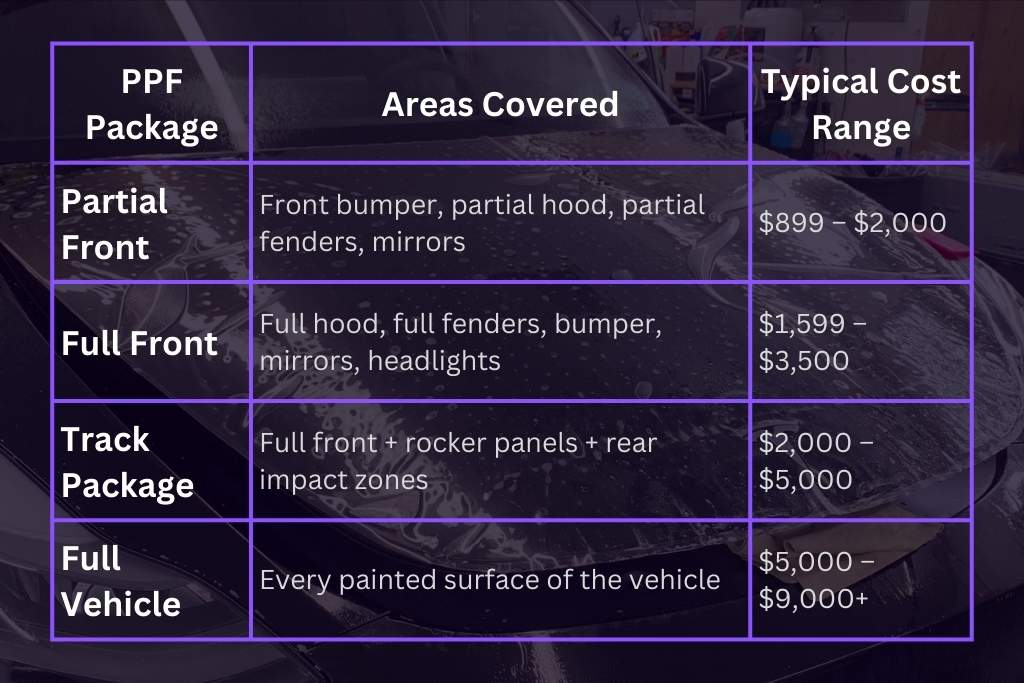
The PPF cost in Tacoma, WA, can vary depending on your vehicle’s size, the type of coverage you choose, and the installer’s expertise. Below is a breakdown of typical pricing ranges in the area:
These prices reflect not only material costs but also the time, labor, and precision required for professional installation. High-end films with self-healing and hydrophobic features typically fall on the higher end of these ranges.
If you’re driving a truck, SUV, or larger vehicle, expect a higher PPF cost for trucks due to more surface area, complex curves, and extra labor. Additionally, specialty finishes like matte or stealth film can increase pricing by 10–20%.
Keep in mind that these are general estimates, and actual pricing may vary depending on the installer’s reputation, included services (like paint correction), and the film brand used.
What Affects the Cost of PPF Installation?
When comparing quotes, you’ll notice price differences between shops. That’s because several factors drive PPF pricing:
Installer Expertise
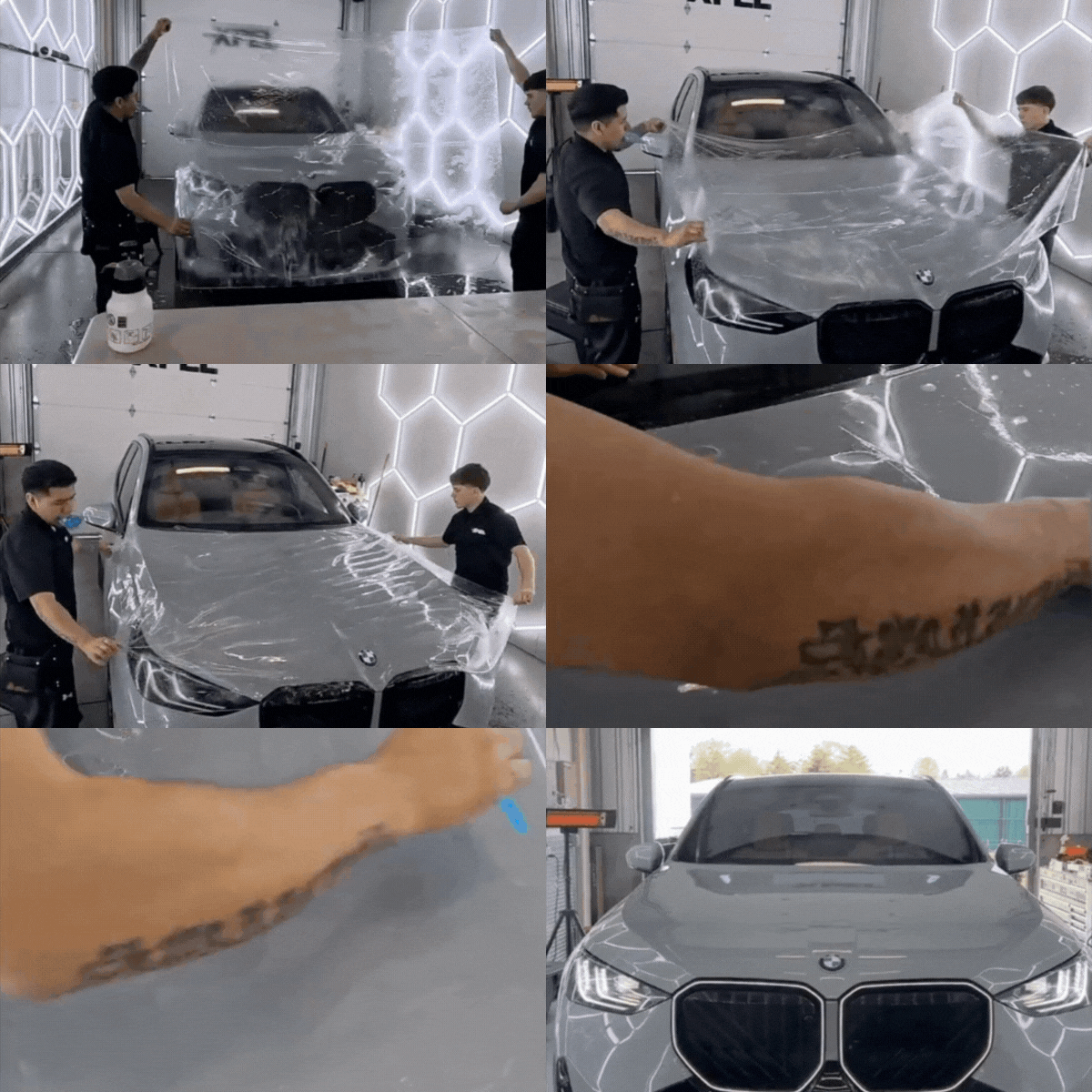
PPF is a craft. Experienced professionals deliver seamless results with invisible edges and bubble-free finishes. They may charge more, but the quality is noticeable and long-lasting.
Vehicle Size & Shape
Larger vehicles (like trucks and SUVs) use more material and require more labor. Curves, grills, and body contours increase installation time and complexity.
PPF Coverage Levels
From a partial-front wrap to a full-body wrap, the amount of coverage directly affects the price of paint protection film. More coverage = more material and more labor.
Film Quality & Brand
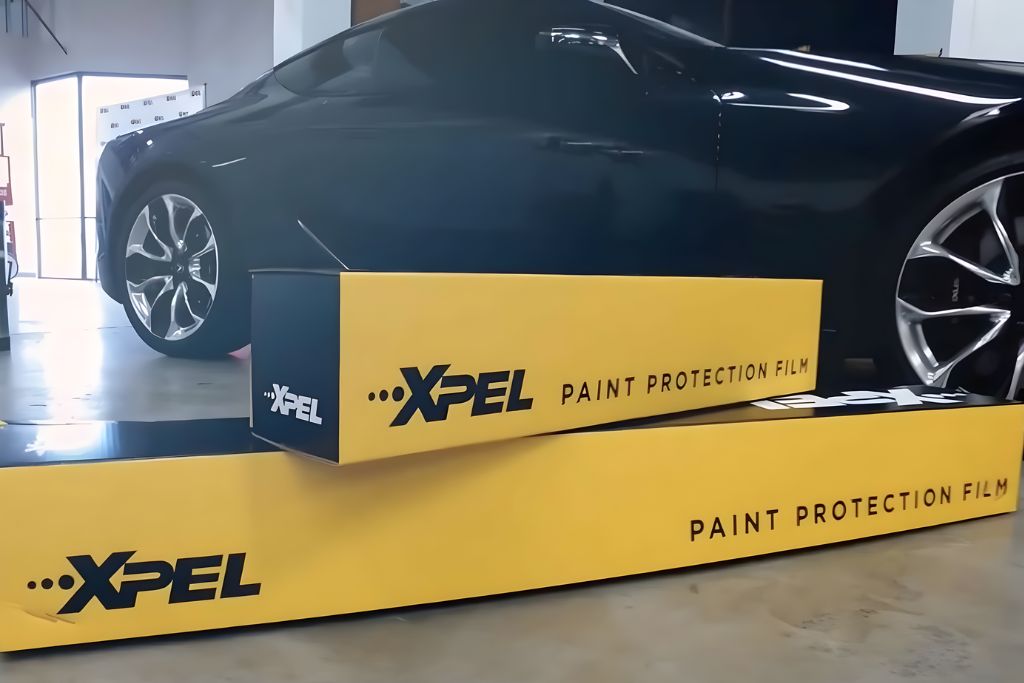
Not all films are created equal. Premium films like XPEL, used by Advanced Window Tinting & PPF, include self-healing properties, stain resistance, and long warranties. These features justify the higher price of the self-healing urethane film.
Pre-Installation Prep
Paint must be flawless before film application. Many vehicles require paint correction, which adds a few hundred dollars to your auto paint protection cost breakdown.
Specialty Finishes
Opting for a matte or stealth finish can increase costs by 10–25% due to specialized film material and the skill required to install it flawlessly.
Truck and SUV Owners: Here’s What to Expect
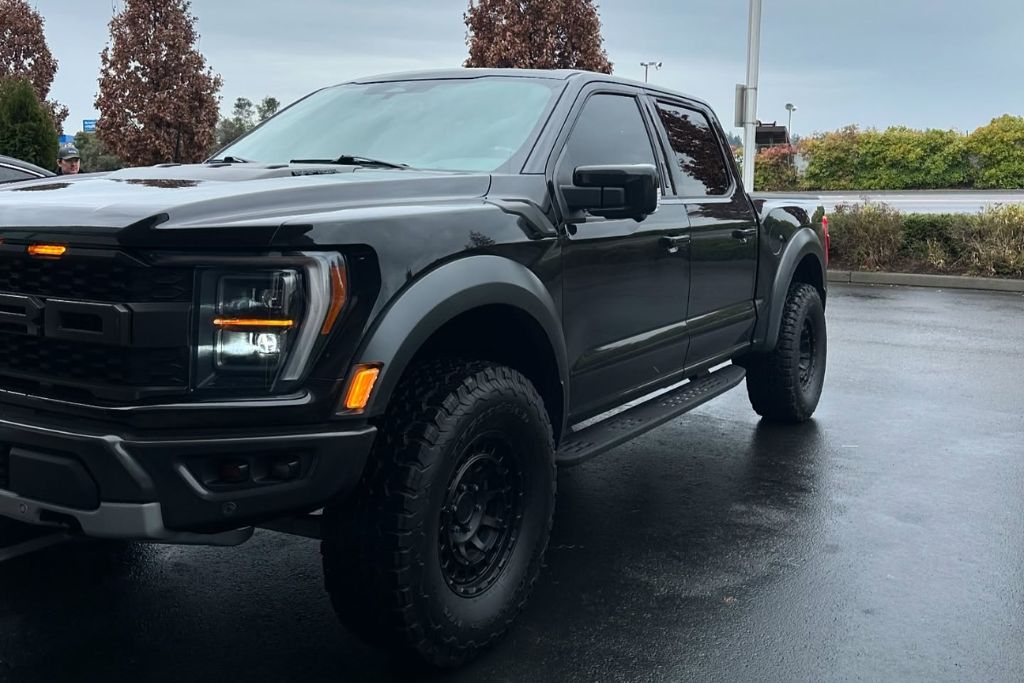
If you drive a truck or SUV in Tacoma, your vehicle is more likely to get rock chips, road salt, and mud on the backroads, especially during the rainy season. That’s why truck paint protection film costs often start higher than those for smaller vehicles. The larger surface area, bulkier panels, and aggressive styling features all require more film and labor during installation.
Many truck owners opt for a track package or full-front PPF, which targets the most impact-prone areas like the bumper, hood, mirrors, rocker panels, and rear fenders, without the expense of a full-body wrap. This is a great option for work trucks, family haulers, or weekend explorers.
However, if you own a high-end truck or off-road SUV, or simply want to protect your investment from bumper to tailgate, a full-body wrap provides unmatched long-term protection and preserves resale value.
PPF vs Ceramic Coating: Which Costs More?
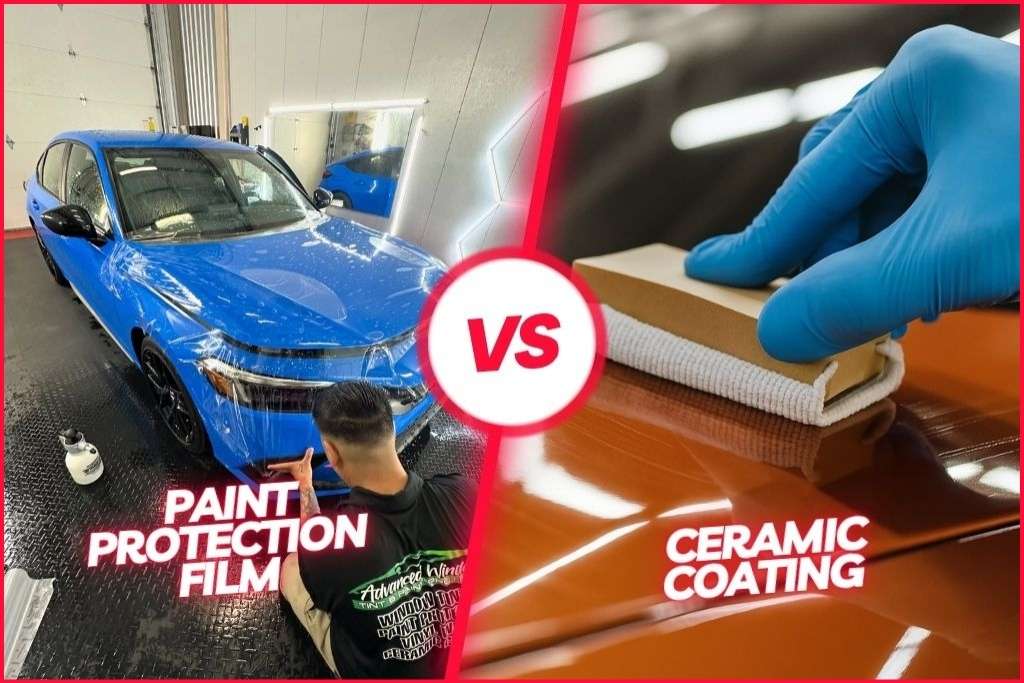
While both Paint Protection Film (PPF) and ceramic coating are popular choices for preserving your vehicle’s appearance, they serve different purposes and cost different amounts.
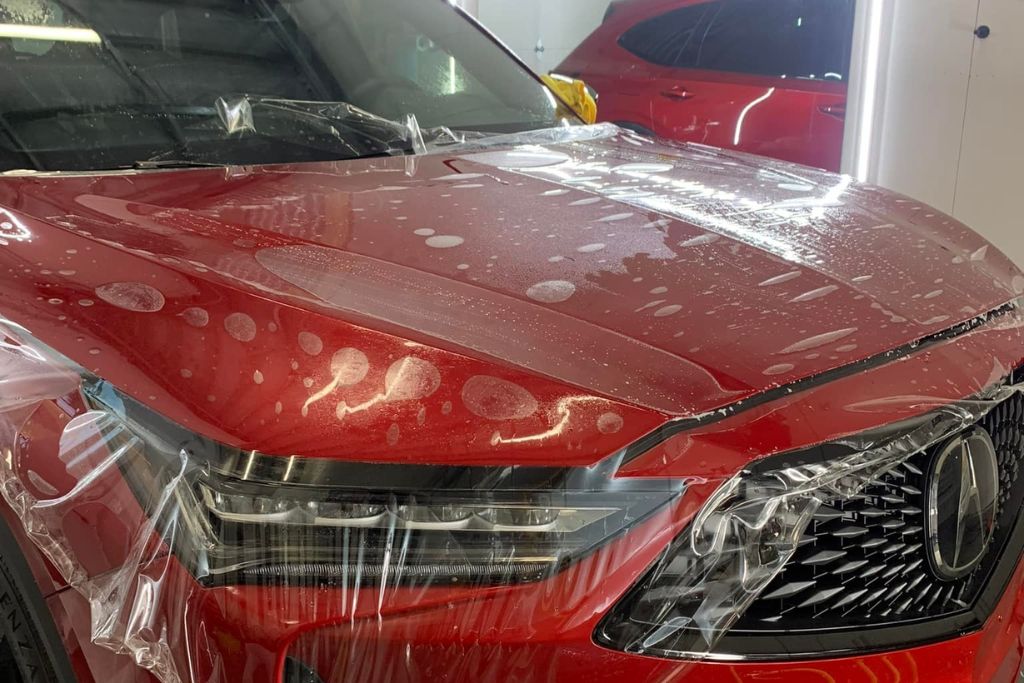
- PPF acts as a physical barrier that deflects rock chips, scratches, road debris, and even minor abrasions. It’s ideal for protecting high-impact areas and maintaining your car’s factory finish.
- Ceramic coating, on the other hand, is a liquid polymer applied to the surface that cures into a protective layer. It offers chemical resistance against UV rays, water spots, oxidation, and makes cleaning easier thanks to its hydrophobic properties.
In terms of cost:
- Ceramic coatings typically range from $700 to $2,000, depending on the quality and number of layers.
- PPF installation can cost between $1,500 and $9,000, depending on the level of coverage and vehicle type.
So, while ceramic coating is more affordable upfront, it does not protect against rock chips or physical damage. Many Tacoma vehicle owners choose to combine both, applying PPF to high-impact areas and ceramic coating to the rest for full-spectrum protection.
Is Premium PPF Worth the Price?
Premium films cost more, but they deliver long-term value that basic films simply can’t match. Beyond offering self-healing properties, hydrophobic topcoats, and longer warranties (up to 10 years), higher‑grade films typically provide better visual clarity, UV resistance, and long‑term durability.
Premium PPF is also thicker and more resilient, meaning it can withstand harsher impacts, resist yellowing, and maintain gloss for years. This results in less repainting, fewer repairs, and a vehicle that maintains a “new” look even after heavy use.
While the upfront price may be higher, premium film often proves more cost‑effective over time, especially for drivers who plan to keep their vehicle long‑term, own a higher‑value car, or want to maximize resale value. In many cases, the cost difference between basic and premium film is small compared to the savings gained from preserved factory paint.
For owners who value durability, aesthetics, and peace of mind, the upgrade to premium PPF is a smart investment rather than a luxury add‑on.
How to Compare Quotes from Different PPF Shops
When evaluating quotes from PPF installers, it’s important to look beyond just the price tag. A cheaper quote might leave out key services or use lower-quality materials. Here’s what to ask and look for:
- What’s included in the PPF package pricing? Some shops may exclude areas like door edges, rocker panels, or headlights unless specifically requested. Clarify which panels are covered and whether it’s a partial, full-front, or full-body package.
- Which film brand is being used? Reputable names like XPEL, 3M, or SunTek are known for their durability, self-healing features, and strong manufacturer warranties. Ask for film specifications and warranty details.
- Is paint correction included? Prepping the surface is essential for a clean install. If your vehicle has swirl marks, scratches, or debris, skipping paint correction can lead to a poor finish or adhesion issues.
- What is the installer’s experience? Ask about certifications, years in business, and request to see a portfolio of past work. Online reviews, customer testimonials, and referrals also help gauge their quality.
- Do they provide aftercare guidance? Proper maintenance extends the life of your PPF. A professional shop should provide care instructions and, ideally, follow-up services.
Full-Body vs Partial Coverage: Which Offers Better Value?
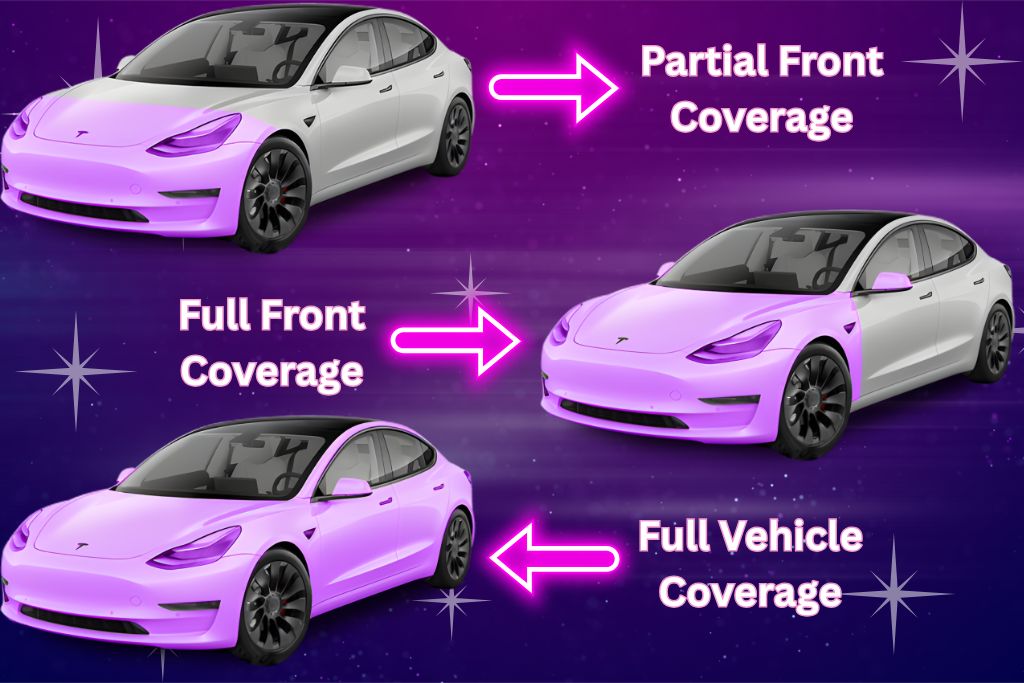
Choosing between partial, full-front, or full-body PPF depends largely on your driving habits, vehicle type, and how long you plan to keep your car.
- Partial Front: Covers essential areas, including the front bumper, part of the hood, and the fenders. It’s a smart choice for budget-conscious drivers or those who mostly drive in the city, with less exposure to road debris.
- Full Front: Protects all high-impact zones, including the full hood, bumper, fenders, mirrors, and headlights. This package offers the best balance of coverage and cost for most drivers, especially in Tacoma, where gravel, rain, and road salt can cause paint damage.
- Full Vehicle: Every painted surface is wrapped, offering maximum protection from scratches, chips, and UV fading. It’s ideal for luxury vehicles, trucks, SUVs, or anyone planning long-term ownership. Though the initial investment is higher, it can save thousands in repainting costs and boost resale value.
Choosing the Right PPF Package for Your Needs
The Paint Protection Film (PPF) cost isn’t just about price; it’s about protecting your investment. In Tacoma’s environment, PPF shields your paint from rain, road salt, gravel, and bird droppings while maintaining that “just-detailed” look for years.
For trusted, professional installation, Advanced Window Tinting & PPF in Lakewood, WA offers tailored packages, premium XPEL film, and unmatched expertise backed by a lifetime warranty.
👉 Request a Quote to protect your vehicle today.
FAQs About Paint Protection Film Cost