
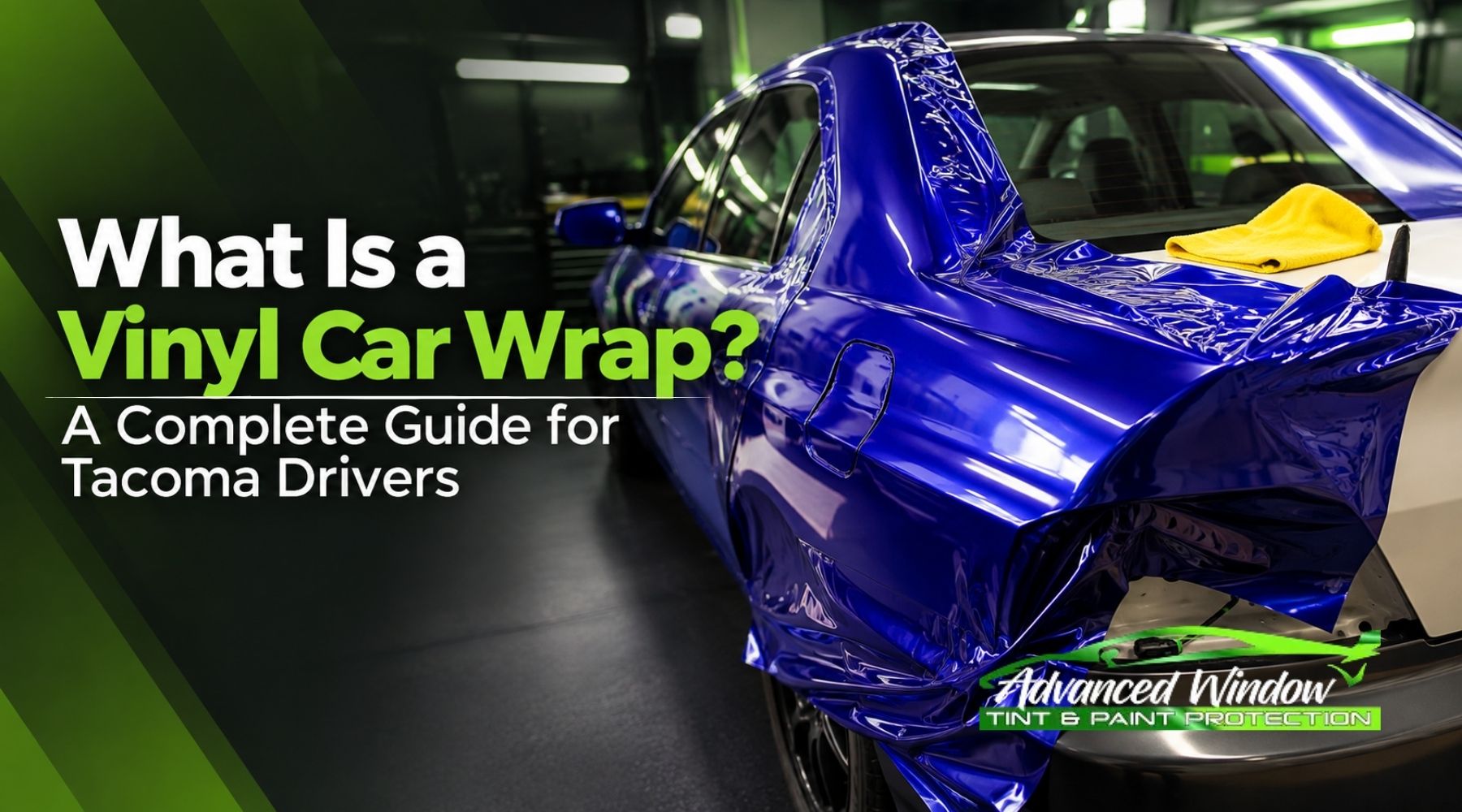
If you have ever asked what is a vinyl car wrap, it is a thin, adhesive-backed film applied over a vehicle’s paint to change its color, finish, or design without permanently repainting it. It can cover the whole vehicle or selected areas and is usually removable when properly installed.
That flexibility makes vinyl wrapping a popular choice for Tacoma drivers who want a fresh look without a permanent change. At Advanced Window Tinting & PPF, we help vehicle owners choose from full color changes, matte or satin finishes, chrome delete, and custom accents.
But looks are only part of the story. Paint condition, film quality, installation, and maintenance all affect the final result. In this guide, we explain how vinyl wraps work, what they cost, how long they last, and how they compare with paint, PPF, and ceramic coating.
What Is a Vinyl Car Wrap and How Does It Work?
When customers ask us what a vinyl car wrap is, we describe it as a removable exterior film engineered for automotive surfaces.
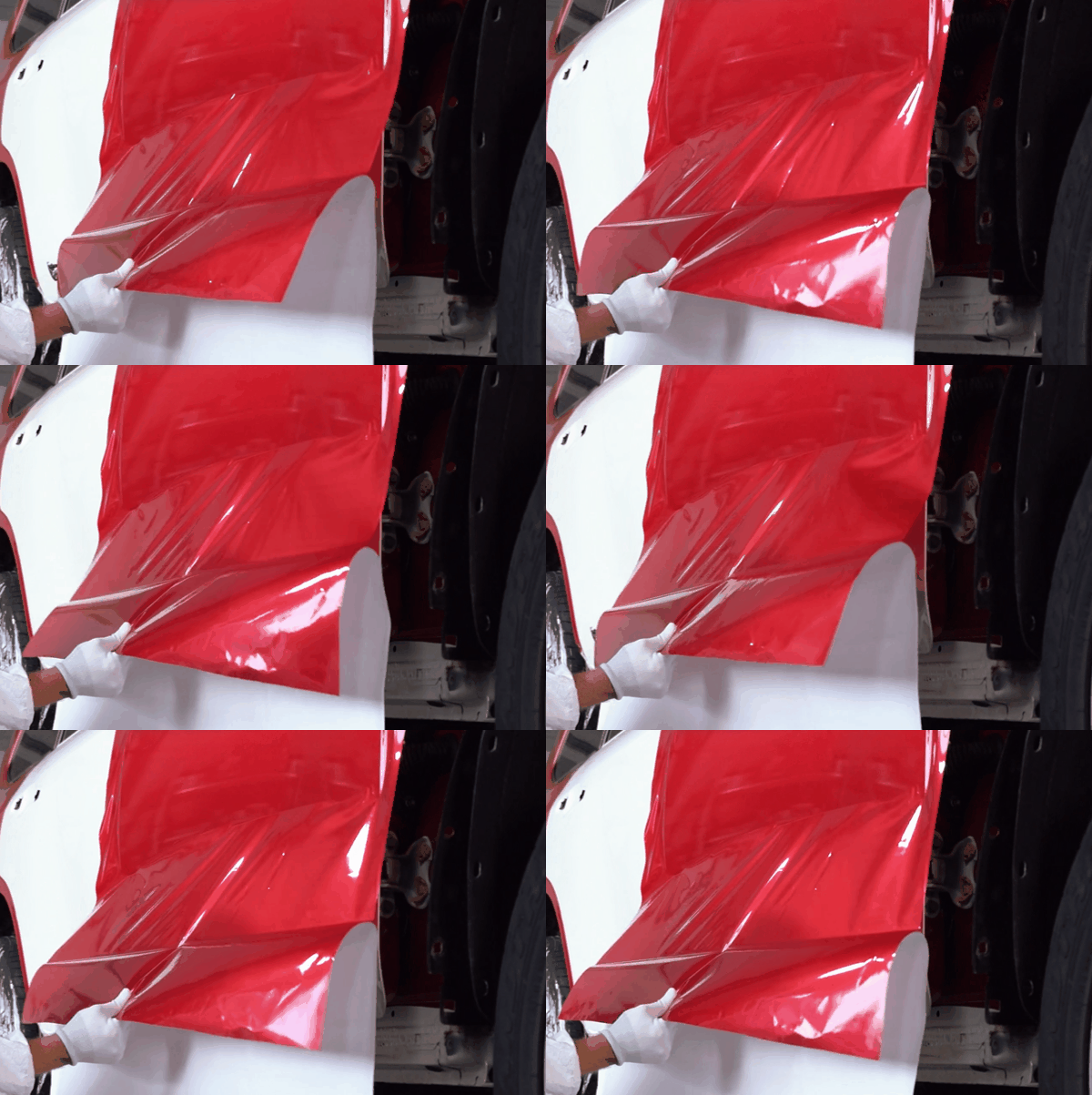
Unlike paint, which permanently changes a body panel’s finish, automotive vinyl wrap sits over the existing paint. The film is positioned panel by panel, then carefully shaped around curves, body lines, edges, and recessed areas.
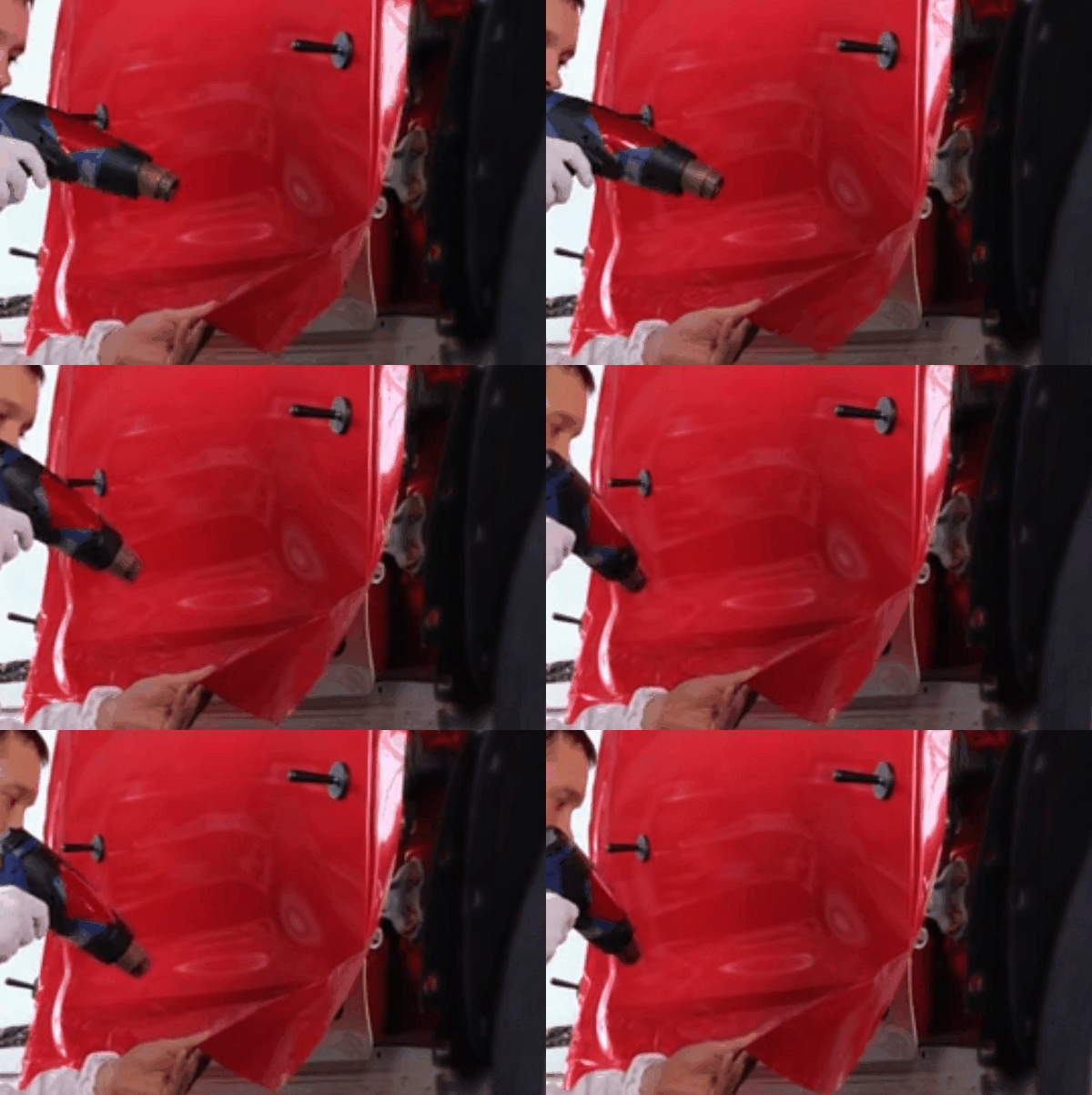
Modern automotive vinyl film uses pressure-sensitive adhesive, allowing a trained installer to position the material before setting it into place. Controlled heat helps the film conform around complex shapes, while careful squeegee work helps create a smooth finish.
Professional vinyl wrap installation is therefore more than simply sticking film onto a car. It involves surface preparation, film handling, stretching, trimming, seam planning, heat management, and edge finishing.
Is a Vinyl Car Wrap Permanent?
No. One major advantage of vinyl car wrapping is reversibility.
A properly installed removable vehicle wrap can generally be removed later, allowing the vehicle to return to its original color. That flexibility appeals to drivers who want a temporary color change or a custom look without committing to permanent repainting.
The paint underneath still matters. Healthy factory paint is generally the best foundation. Peeling clear coat, rust, bubbling paint, weak repainted surfaces, and poorly bonded repairs can create problems during installation or removal.
That is why we inspect the vehicle before recommending full or partial coverage.
Why Do Tacoma Drivers Choose Vinyl Wraps?
For most customers, the answer to what is a vinyl car wrap good for starts with customization.
With a professional vinyl wrap in Tacoma, you can dramatically change the character of a vehicle while retaining the original paint underneath.
Reversible Color Changes
A color change car wrap lets you move from a factory color to something completely different without permanently repainting the vehicle. This can be useful for newer cars, enthusiast vehicles, business vehicles, or owners who enjoy changing styles over time.
More Finish Options
Vinyl is not limited to traditional gloss. Depending on the material, a vehicle can take on a gloss, satin, matte, metallic, textured, or specialty appearance.
Partial Customization
Not every project requires a full car wrap. A partial vehicle wrap can cover a roof, hood, mirrors, pillars, trim, or selected panels. Chrome delete is another popular way to create a cleaner or darker appearance without wrapping the whole vehicle.
Paint Preservation
Vinyl creates a physical layer over the painted surface. It can help reduce direct exposure to UV rays, road film, bird droppings, tree sap, light scuffs, and everyday contamination.
We are careful not to overstate that benefit. Standard vinyl is not the same as paint protection film. If rock-chip protection is the priority, PPF is generally the more appropriate material.
What Is a Vinyl Car Wrap? Understanding the Main Wrap Types
Part of understanding what is a vinyl car wrap is knowing that “wrap” can mean several different levels of coverage.
Full Car Wrap
A full car wrap covers most or all painted exterior surfaces. It is the best fit when the goal is a complete color change or a consistent custom finish across the vehicle.
Full vehicle coverage generally requires the most material, labor, disassembly, and finishing time.
Color Change Car Wrap
A color change wrap is designed specifically to make the vehicle appear to be a different color. It gives owners access to shades and finishes that may not have been available from the manufacturer.
Partial Vehicle Wrap
A partial wrap focuses on selected areas. Roofs, hoods, mirrors, spoilers, lower panels, stripes, and trim can all be wrapped independently.
Chrome Delete
Chrome delete covers bright trim with another finish, commonly gloss, satin, or matte black. It is a relatively targeted modification that can significantly change the overall look of a vehicle.
Custom Car Wraps and Graphics
Vinyl can also support graphics, logos, patterns, branding, and personalized designs. This makes vehicle vinyl wrap useful for both private customization and commercial branding.
What Is a Vinyl Car Wrap Finish, and Which One Should You Choose?
When people explore what is a vinyl car wrap, finish selection changes the personality of a wrap as much as color does.
A gloss vinyl wrap creates a polished, paint-like appearance. A satin vinyl wrap offers softer reflections and a more understated custom look. A matte vinyl wrap produces a low-reflection surface that can feel aggressive or refined depending on the vehicle.
Specialty films may add metallic, textured, or color-shifting effects.
When we help a customer select a finish, we look beyond a sample swatch. Body lines, wheel color, trim, lighting, vehicle size, and maintenance expectations all influence how that finish will look in daily use.
What Is a Vinyl Car Wrap Installation Like?
Knowing what is a vinyl car wrap also means understanding why the installation process matters.
Vehicle Inspection
We start by looking at the condition of the paint and body. Peeling clear coat, rust, dents, chips, previous repairs, loose trim, and surface defects can all affect the finished result.
Cleaning and Surface Preparation
A clean surface is essential. Wax, grease, road film, dirt, and residue must be removed so the adhesive can bond properly. Areas around emblems, edges, handles, trim, and seams need particular attention.
Panel-by-Panel Application
The film is positioned one section at a time. Controlled tension, squeegee pressure, and heat help conform it around body contours. Bumpers, mirrors, spoilers, compound curves, sensors, and recessed areas usually require more time and skill.
Trimming and Edge Finishing
Edges and corners are critical. An installer must know where to trim, how much material to leave, when to wrap an edge, and where a seam may be necessary.
Final Inspection
After installation, we check alignment, edges, seams, recessed areas, and overall finish. Those final details are part of the wrap installation process, not an afterthought.
Why Does Paint Condition Matter Before a Vinyl Wrap?
When customers ask what is a vinyl car wrap capable of hiding, we explain that vinyl follows the surface underneath it.
A wrap changes color and finish; it does not repair body damage. Deep scratches, dents, rust, peeling clear coat, bubbling paint, and rough repairs may remain visible. In some cases, unstable paint can also affect adhesion or future removal.
Healthy factory paint is generally the ideal starting point.
If you are trying to understand the difference between improving paint and covering it, our guide on whether paint correction is needed before ceramic coating explains how correction addresses defects in the clear coat itself. Wrapping is a different process, but both services depend on evaluating the surface first.
What Are the Main Vinyl Wrap Benefits?
A practical answer to what is a vinyl car wrap should include both its strengths and its limits.
The main vinyl wrap benefits are customization, reversibility, flexible coverage, and some paint preservation. A car vinyl wrap can completely change a vehicle’s appearance, and it can later be removed when the underlying paint is suitable.
Vinyl can also help isolate factory paint from UV exposure, grime, bird droppings, tree sap, and light surface scuffs. If one wrapped panel becomes damaged, that section can sometimes be rewrapped without replacing the entire wrap.
However, standard automotive vinyl wrap is not designed to provide the same impact protection as PPF.
If stone chips and road debris are your main concern, our paint protection film guide for Tacoma drivers explains how PPF is designed to handle more physical abuse.
Vinyl Wrap vs PPF vs Ceramic Coating
One reason we spend time explaining what is a vinyl car wrap, is that vinyl, PPF, and ceramic coating are often grouped together even though they do different jobs.
Service | Main purpose | Changes color? | Rock-chip protection? | Easier cleaning? |
Vinyl wrap | Customization | Yes | Limited | Some benefit |
Paint protection film | Physical paint protection | Usually no | Yes | Some benefit |
Ceramic coating | Gloss and hydrophobic behavior | No | No | Yes |
Paint | Permanent finish | Yes | No | Depends on finish |
Vinyl is primarily about customization. PPF is primarily about physical protection. Ceramic coating is primarily about surface behavior, gloss, and easier maintenance.
Our complete guide to ceramic coating in Tacoma covers coating performance in more detail, while our guide to paint protection film explains impact-focused paint protection.
For some vehicles, combining services makes sense. The right combination depends on what you want to change, protect, or simplify.
How Much Does a Car Wrap Cost in Tacoma?
When someone asks what a vinyl car wrap is going to cost, there is no accurate one-price answer.
Car wrap cost in Tacoma depends on vehicle size, coverage, body complexity, film selection, paint condition, design work, and installation labor.
A compact car typically requires less material than a large SUV or truck. A roof wrap or chrome delete uses less film than full vehicle coverage. Complex bumpers, vents, spoilers, sensors, and deep recesses can add installation time. Specialty materials can also influence price.
For pricing based on your actual vehicle and goals, you can request a personalized vinyl wrap quote.
How Should You Maintain a Vinyl-Wrapped Car?
Once you understand what a vinyl car wrap is, the next step is knowing how to care for it. Car wrap maintenance plays a major role in appearance and longevity.
Wash the vehicle regularly so road grime, bird droppings, tree sap, bugs, and other contaminants do not remain on the film for long periods.
Careful hand washing is often the most controlled option because it reduces the chance of brushes catching edges or scratching the surface. High-pressure water should not be directed too closely at seams or edges.
Product choice also matters. Gloss, satin, and matte films may require different care products. A polish designed to create shine, for example, may not be appropriate for a matte finish.
If you notice lifting, staining, edge damage, or impact damage, have it evaluated early.
Why Does Professional Installation Matter?
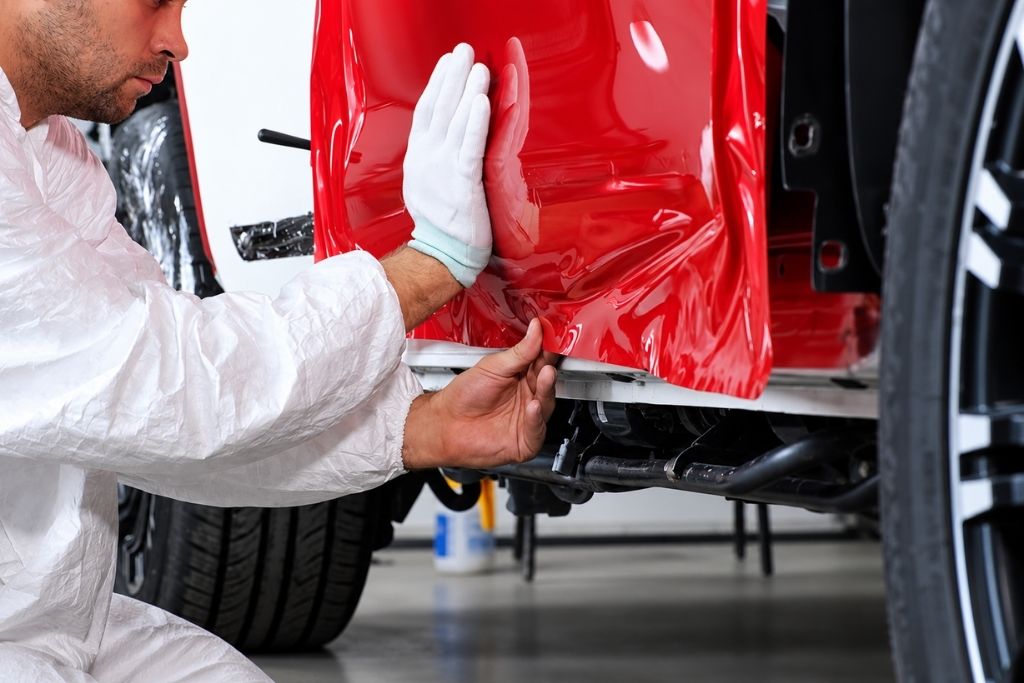
A complete explanation of what is a vinyl car wrap must include the role of the installer.
Even excellent material can perform poorly if the surface is not prepared correctly or if the film is overstretched, poorly trimmed, or inadequately finished.
At Advanced Window Tinting & PPF, we bring more than 15 years of automotive enhancement and protection experience to our work. That experience helps us evaluate paint condition, choose appropriate materials, manage complex body shapes, and set realistic expectations.
It also helps us tell customers when another service may better match the goal.
Sometimes vinyl is the right solution. Sometimes PPF or ceramic coating is a better fit. You can explore our broader automotive enhancement and protection services in Tacoma if you are comparing wrap, tint, PPF, and ceramic coating options.
Is a Vinyl Car Wrap Right for Your Vehicle?
After learning what a vinyl car wrap is, the decision comes down to your goals. Ask four questions.
What Do You Want to Change?
If the goal is color, finish, trim, graphics, or overall visual style, vinyl is worth considering.
What Do You Want to Protect?
If stone chips are the main concern, PPF deserves a closer look. If gloss, hydrophobic behavior, and easier washing are the priorities, ceramic coating may be more relevant.
What Condition Is the Paint In?
Healthy paint provides a better foundation than peeling, rusting, bubbling, or poorly repaired surfaces.
How Permanent Do You Want the Change to Be?
If flexibility matters, vinyl offers something repainting does not.
What Is a Vinyl Car Wrap? Final Takeaway for Tacoma Drivers
So, what is a vinyl car wrap in practical terms? It is one of the most flexible ways to change a vehicle’s appearance without committing to a permanent repaint.
A full car wrap can completely transform the exterior, while partial wraps, chrome delete, graphics, and accents can create more targeted changes. Vinyl can also help preserve healthy factory paint from everyday surface exposure, although it is not a substitute for PPF when significant impact protection is the priority.
At Advanced Window Tinting & PPF, we look at the entire vehicle before making a recommendation. Paint condition, body complexity, film choice, intended use, maintenance habits, and your goals all matter.
We also believe a trustworthy recommendation means being clear about what every service does and does not do. If customization is the goal, vinyl may be the right fit. If impact protection is more important, we may recommend PPF. If easier maintenance and hydrophobic performance are higher priorities, ceramic coating may deserve more attention.
If you are considering a full color change, custom car wrap, chrome delete, or partial vehicle wrap, explore our vinyl wrap services in Tacoma or request a personalized quote. We can help you compare options and choose a finish that fits your vehicle and how you use it.