

Paint protection film (PPF) has become one of the most popular ways to protect a vehicle’s paint from chips, scratches, and environmental damage. But many car owners still ask an important question: does PPF yellow over time?
At Advanced Window Tinting & PPF in Tacoma, WA, we hear this concern frequently from drivers considering protective film for their vehicles. The truth is that PPF yellowing can happen, but it largely depends on the quality of the film, the materials used, installation methods, and long-term maintenance.
In this guide, we’ll explain why paint protection film yellowing occurs, how modern films prevent it, and what Tacoma drivers can do to keep their vehicles looking crystal clear for years.
What Is Paint Protection Film and Why Do Drivers Install It?
Paint protection film, sometimes called automotive clear bra protection, is a transparent layer of polyurethane film applied to a vehicle’s painted surfaces. Its purpose is simple: shield the paint from everyday damage while preserving the vehicle’s original finish.
Modern self-healing paint protection film is designed to absorb impacts and resist scratches. Minor swirl marks and light scratches often disappear when the film is exposed to heat or sunlight, making it an incredibly durable solution for protecting automotive finishes.
Drivers in Tacoma and the surrounding Pierce County area often choose PPF because it helps protect against:
- Rock chips from highway driving
- Road debris and gravel
- Bug splatter and bird droppings
- UV exposure and paint fading
- Minor scratches and swirl marks
At our shop, we install high quality paint protection film designed for long-term durability and clarity, helping vehicle owners maintain their car’s value and appearance for years.
Does PPF Yellow Over Time?
The short answer: yes, PPF can yellow over time, but modern films are engineered to resist it.
Early generations of paint protection film were often made from PVC materials, which were more susceptible to paint protection film discoloration. These films lacked advanced UV inhibitors, meaning exposure to sunlight could cause them to turn yellow or cloudy.
Today’s premium films use aliphatic TPU (thermoplastic polyurethane), which is far more resistant to PPF yellowing and film oxidation. When properly installed and maintained, modern TPU film can remain clear for 5-10 years or longer.
However, it’s important to understand that not every instance of discoloration is actual film degradation. Sometimes the film simply appears yellow because of surface contamination such as dirt, iron deposits, or environmental buildup.
Understanding the causes of discoloration can help you prevent it.
What Causes PPF Yellowing?
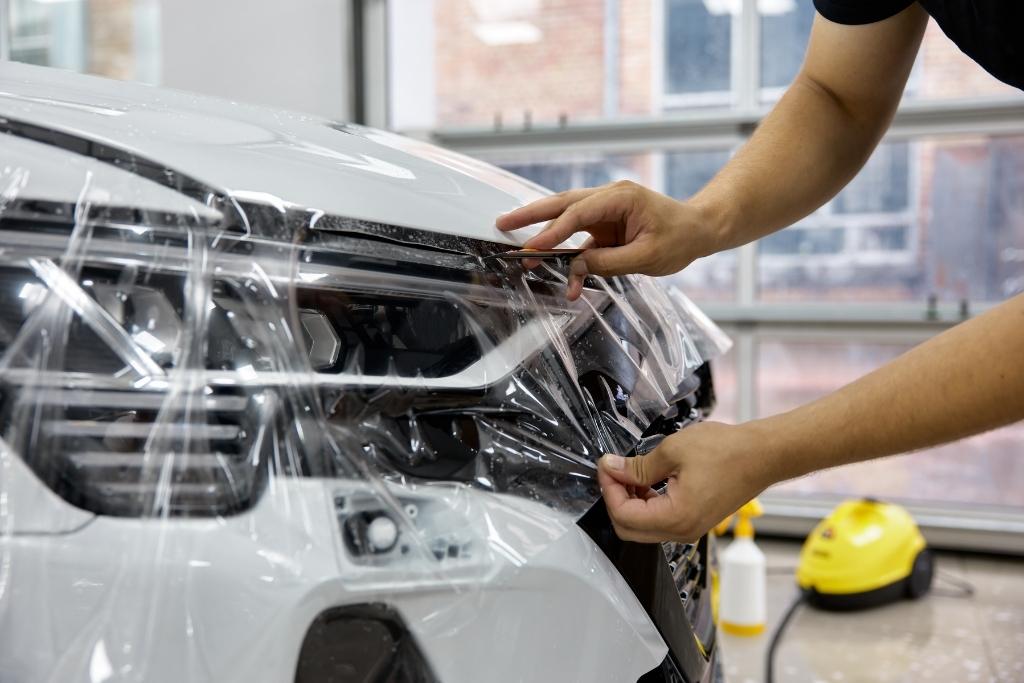
Several factors contribute to PPF discoloration causes, especially when low-quality materials or poor installation practices are involved.
UV Exposure and Film Oxidation
Sunlight is one of the biggest contributors to automotive film aging. Ultraviolet radiation can break down stabilizers within lower-quality films, eventually leading to film oxidation on car paint.
Premium UV resistant PPF includes protective top coats designed to block UV radiation and maintain clarity. Without these stabilizers, the film can begin to yellow prematurely.
Film Material Quality (PVC vs TPU)
Material composition plays a major role in how long paint protection film lasts.
Lower-grade films often use PVC materials, which are cheaper but far more prone to discoloration. In contrast, modern TPU paint protection film offers significantly better resistance to UV exposure, environmental contaminants, and aging.
This is one reason why cheap PPF tends to turn yellow faster than premium film.
Adhesive Layer Breakdown
Another common cause of clear bra yellowing is adhesive degradation.
When low-quality adhesives oxidize, they can develop a yellow tint that becomes visible through the transparent film. Professional-grade films use high-quality adhesive systems designed to remain stable for years.
Environmental Contaminants
Vehicles face constant exposure to environmental contaminants such as:
- Road grime
- Salt and minerals
- Bug acids
- Tree sap
- Industrial pollution
Over time, these contaminants can stain or discolor the film if not properly removed. Regular washing plays a major role in PPF maintenance and care.
Improper Installation
Improper installation can accelerate discoloration. If film edges are not sealed correctly, dirt and moisture can seep beneath the film, creating visible discoloration along the edges.
Certain areas of a vehicle are particularly vulnerable to damage and contamination. If you’re curious which spots benefit most from protection, our guide on high-impact zones for paint protection film in Tacoma explains where protection matters most.
Why Cheap Paint Protection Film Yellows Faster
One of the most common questions we receive is why inexpensive films seem to discolor faster.
The answer lies in manufacturing quality and protective technology.
Premium paint protection films typically include:
- Advanced UV stabilizers
- Durable self-healing top coats
- High-grade adhesives
- Multi-layer TPU construction
Lower-cost alternatives often skip these technologies, which makes them more vulnerable to paint protection film discoloration and environmental damage.
Because of this, we always recommend investing in high quality paint protection film installed by experienced professionals.
How to Prevent PPF Yellowing
The good news is that PPF yellowing is largely preventable when the right film and care practices are used.
Choose Premium TPU Paint Protection Film
Modern aliphatic TPU films are engineered specifically to resist yellowing. These materials maintain clarity far longer than older PVC films.
Professional Installation Matters
Proper installation is critical for long-term durability. Professional installers ensure that:
- Edges are sealed correctly
- Contamination is removed before installation
- The film adheres evenly to the surface
If you’re considering protecting your vehicle, you can easily request a quote for professional installation from our team.
Follow Proper Maintenance Practices
Consistent cleaning helps prevent contaminants from staining the film.
Recommended practices include:
- Washing the vehicle regularly
- Using pH-balanced automotive soaps
- Removing bug splatter and bird droppings quickly
- Avoiding harsh chemicals
Add Extra Protection
Many Tacoma drivers choose to apply ceramic coating over PPF. This creates an additional barrier against UV exposure and environmental contaminants while making the vehicle easier to clean.
How Long Does PPF Last Before Yellowing?
High-quality paint protection film typically lasts 5 to 10 years, depending on driving conditions and maintenance.
Several factors influence PPF lifespan and durability:
- Quality of the film material
- Installation quality
- Environmental exposure
- Vehicle maintenance habits
- Driving conditions
Daily drivers often face more debris and exposure, which is why many Tacoma vehicle owners choose protective film. If you’re wondering whether it makes sense for everyday use, our article on whether PPF is worth it for daily drivers in Tacoma explores the benefits in detail.
Yellowing vs Staining: How to Tell the Difference
Not every discoloration issue is true PPF yellowing.
In many cases, the film simply looks yellow due to surface contamination rather than permanent material breakdown.
Signs of staining include:
- Dirt embedded in the film surface
- Iron deposits from brake dust
- Bug residue buildup
These contaminants can often be removed through proper cleaning or detailing.
However, if the film itself has degraded due to UV damage or aging, the discoloration is permanent and the film will need to be replaced.
Why Tacoma Drivers Trust Professional PPF Installation
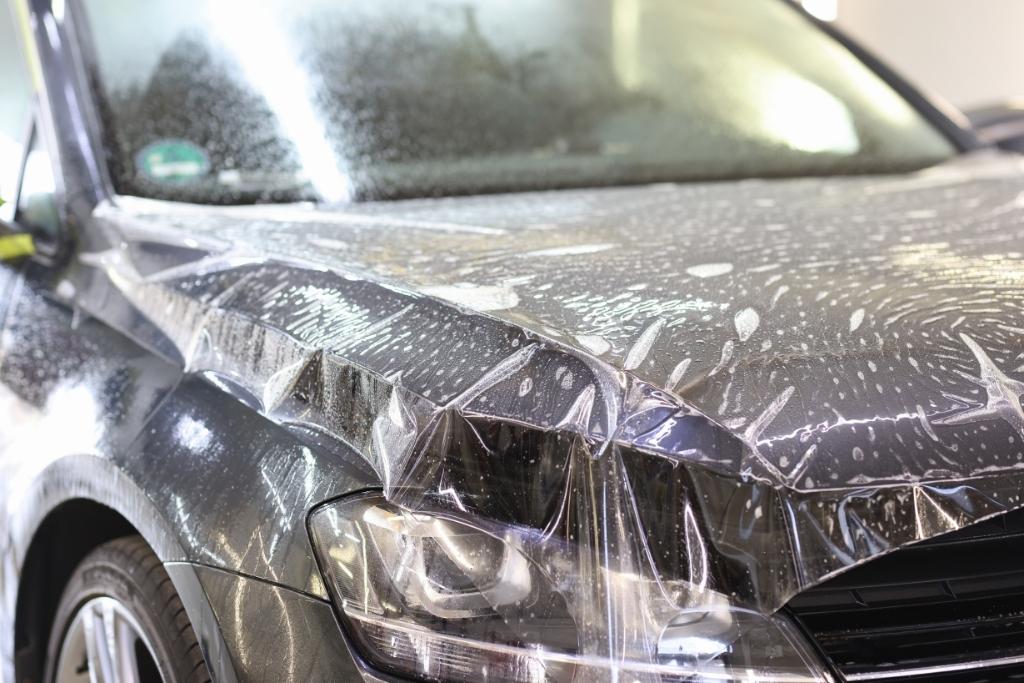
Tacoma drivers face unique driving conditions. Gravel, highway debris, and Pacific Northwest weather can quickly damage exposed paint.
At Advanced Window Tinting & PPF, we specialize in protecting vehicles with professional installation techniques and premium materials. Our team helps customers choose the right protection packages based on their driving habits, vehicle type, and long-term goals.
In addition to paint protection film, we offer:
- Professional window tint installation
- Ceramic coatings
- Vinyl wraps
- Automotive enhancement services
Our goal is always the same: helping Tacoma vehicle owners protect their investment while enhancing the appearance of their vehicles.
Final Thoughts: Is PPF Yellowing Something You Should Worry About?
While PPF yellowing can happen, it’s much less common with today’s high-quality paint protection films. Modern TPU-based films are designed to resist discoloration, stay clear, and provide long-lasting protection for your vehicle’s paint.
For Tacoma drivers, preventing yellowing mostly comes down to using premium film, professional installation, and proper maintenance. When done correctly, paint protection film can protect your vehicle for years without noticeable discoloration.
If you’re considering protecting your car’s finish, visit Advanced Window Tinting & PPF to learn more about our services, or contact us to get expert recommendations for your vehicle.