

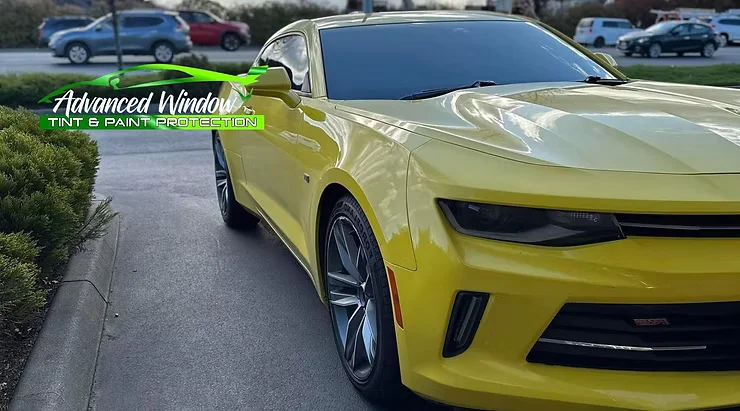
When it comes to protecting your vehicle’s finish in the ever-changing weather of the Pacific Northwest, paint protection film (PPF) is one of the smartest long-term investments you can make. But how durable is paint protection film in a place like Tacoma, Washington—where rain, road debris, and overcast skies are part of daily life?
What Is Paint Protection Film (PPF), and Why Do Tacoma Drivers Use It?
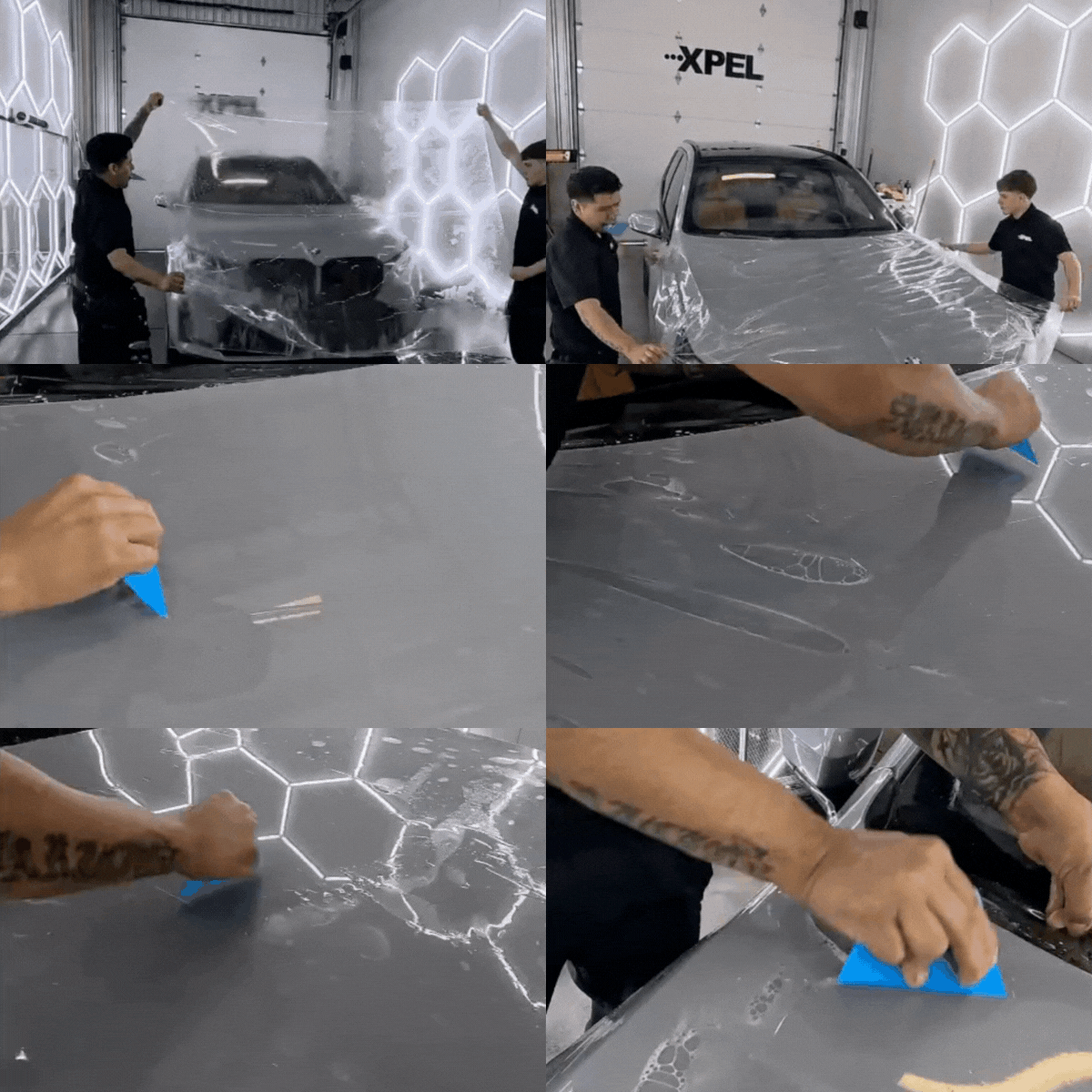
Paint protection film — often called clear bra—is a transparent, urethane-based film applied to your vehicle’s painted surfaces to protect against chips, scratches, UV damage, and environmental wear. Tacoma drivers are choosing PPF not only for its invisible barrier but because it offers:
-
Self-healing technology that eliminates light scratches with heat
-
Hydrophobic coatings that repel rain, mud, and grime
-
UV resistance, guarding paint from fading—even on cloudy days
-
Protection from rock chips, bird droppings, acid rain, and more
Tacoma’s Climate: A Challenge for Unprotected Paint
Tacoma’s “marine west coast” climate may lack the scorching heat of the Southwest or the deep freezes of the Midwest, but its consistent dampness, frequent rainfall, and temperature swings pose unique challenges to your vehicle’s finish.
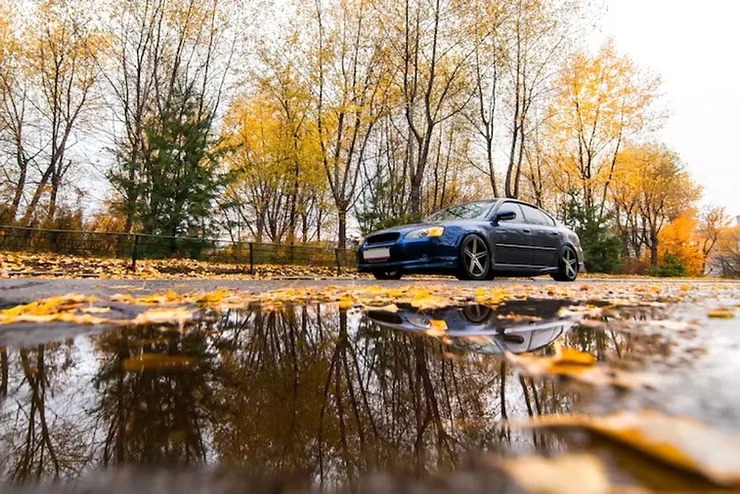
While the temperatures are moderate, the constant exposure to moisture and environmental contaminants quietly erodes your paint over time. Here’s how Tacoma’s climate accelerates wear:
Persistent moisture seeps into seams, cracks, and unprotected areas, accelerating oxidation and rust—especially around wheel wells and undercarriages
Road grime, sand, and debris splatter onto lower panels and bumpers, leading to surface abrasion and clear coat dulling
Even on overcast days, UV rays penetrate clouds, contributing to paint fading—particularly on the hood and roof
Fluctuating temperatures between wet mornings and dry afternoons cause subtle expansion and contraction, which can lead to microcracks or film lifting
How Durable Is Paint Protection Film in Wet Climates Like Tacoma?
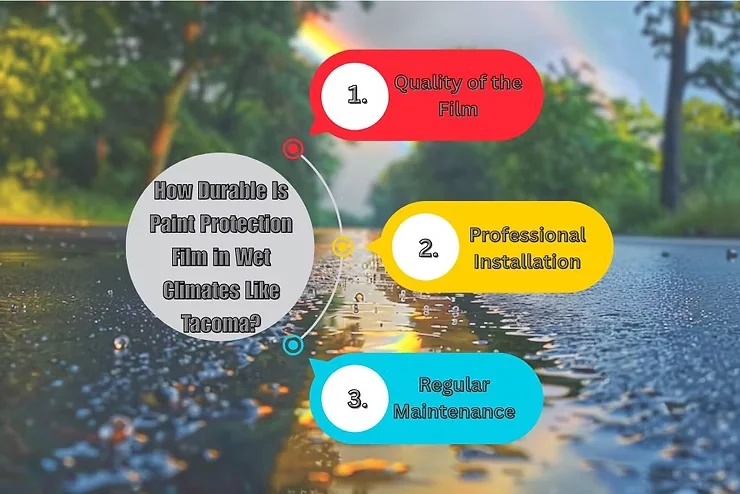
When installed professionally and maintained correctly, high-quality PPF can last 5 to 10 years — even in moisture-heavy regions like Tacoma. Its lifespan depends on three key factors:
1. Quality of the Film
Top-tier brands like XPEL, 3M, and SunTek are engineered for challenging environments. These films offer:
Advanced UV-resistant layers to prevent fading
Thicker materials for superior protection against chips and impact
Anti-yellowing technology that resists Tacoma’s moisture and airborne contaminants
2. Professional Installation
Even premium film will fail if it’s not installed correctly. Tacoma’s humid air can trap moisture under the film if not applied in a controlled environment. Advanced Window Tinting & PPF uses certified technicians and climate-controlled facilities to ensure perfect adhesion and edge sealing.
👉 Learn more about maintaining your protective film.
3. Regular Maintenance
Washing with pH-neutral soaps to avoid etching
Avoiding harsh brushes or high-pressure sprayers that can damage film edges
Using a ceramic coating synergy to add extra resistance against UV rays, water, and grime
For more guidance, check out these seasonal maintenance tips for Tacoma’s climate.
What Can Go Wrong with PPF in Tacoma If Not Maintained Properly?
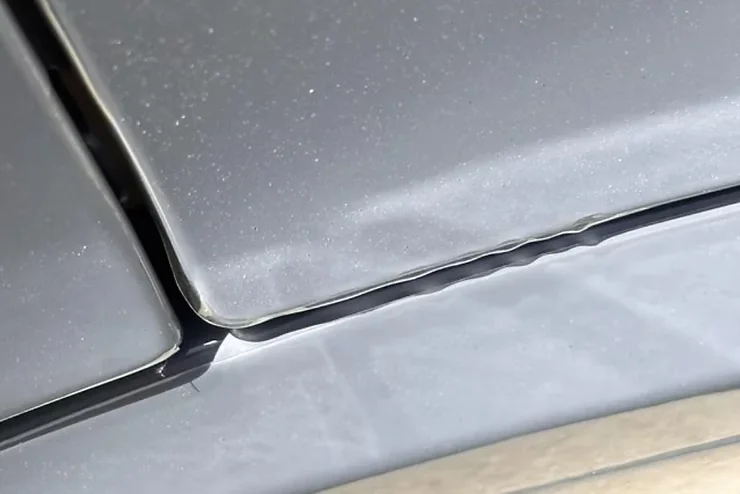
Yellowing or discoloration from sun exposure
Faded finish from rain deposits or road grime buildup
Lifting or peeling edges caused by trapped moisture or improper washing
Unhealed scratches, indicating wear in the self-healing top coat
➡️ Curious about how long PPF really lasts? Read about the expected longevity of paint protection film.
Why Tacoma Drivers Pair PPF with Ceramic Coatings
Combining PPF with a ceramic coating gives vehicles double the protection. This synergy boosts performance in rainy regions like Tacoma by:
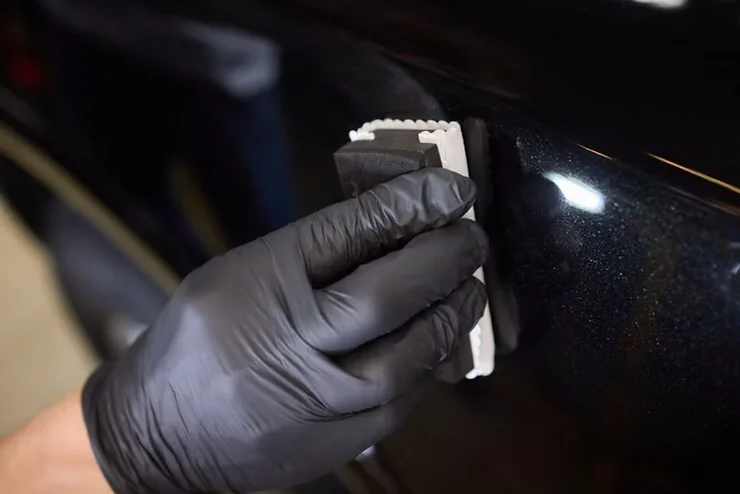
Creating a hydrophobic surface that repels water and grime
Extending the lifespan of PPF with added UV and chemical resistance
Making vehicles easier to clean, especially during wet, muddy months
Final Thoughts: Is Paint Protection Film Worth It in Tacoma?
So, how durable is paint protection film? In Tacoma’s rainy, temperate climate, PPF can protect your car for up to a decade — as long as it’s professionally installed and properly maintained. It’s a wise investment to preserve your vehicle’s finish against the Pacific Northwest’s unique challenges.
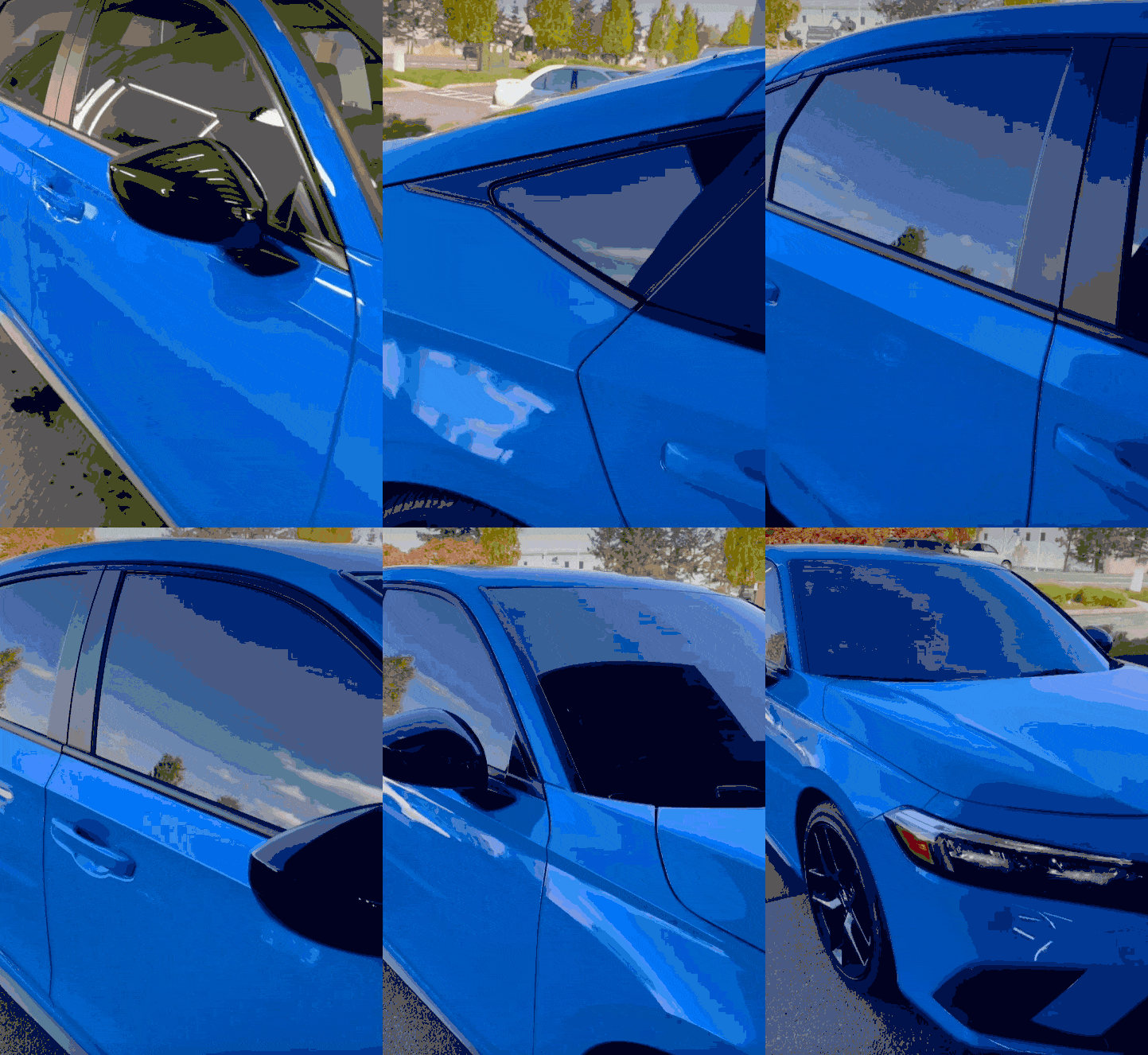
Whether you’re driving a luxury EV or a daily commuter, Advanced Window Tinting & PPF offers tailored solutions that combine performance, durability, and local expertise.
FAQ: What Tacoma Drivers Want to Know About PPF
Absolutely. Quality prep and controlled installation are critical in Tacoma’s damp, fluctuating conditions.
They’re local specialists with certified techs and a deep understanding of Tacoma’s climate and driving environment.