


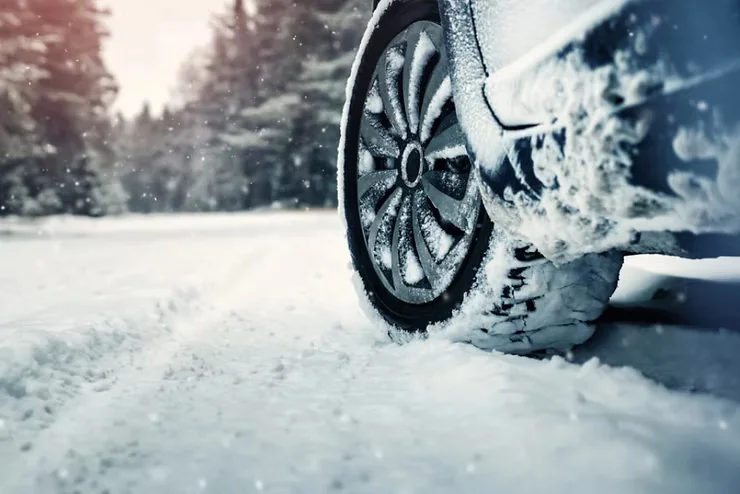
Winter in Tacoma, WA, may not bring the extreme snowfalls of the Midwest, but it certainly delivers its fair share of hazards, icy roads, freezing rain, gravel scatter, and the ever-dreaded road salt. These seasonal conditions can wreak havoc on your vehicle’s paint, leading to chips, corrosion, and lasting damage.
So, is PPF good for cold seasons? Absolutely. Paint Protection Film (PPF) acts as a clear, durable barrier that shields your vehicle from winter’s toughest elements, helping you maintain your car’s pristine appearance year-round. In this article, we’ll break down exactly how PPF protects your vehicle during winter, its benefits over other protective options, and why Tacoma drivers are investing in it more than ever.
What Makes PPF a Game-Changer for Vehicle Paint Protection?
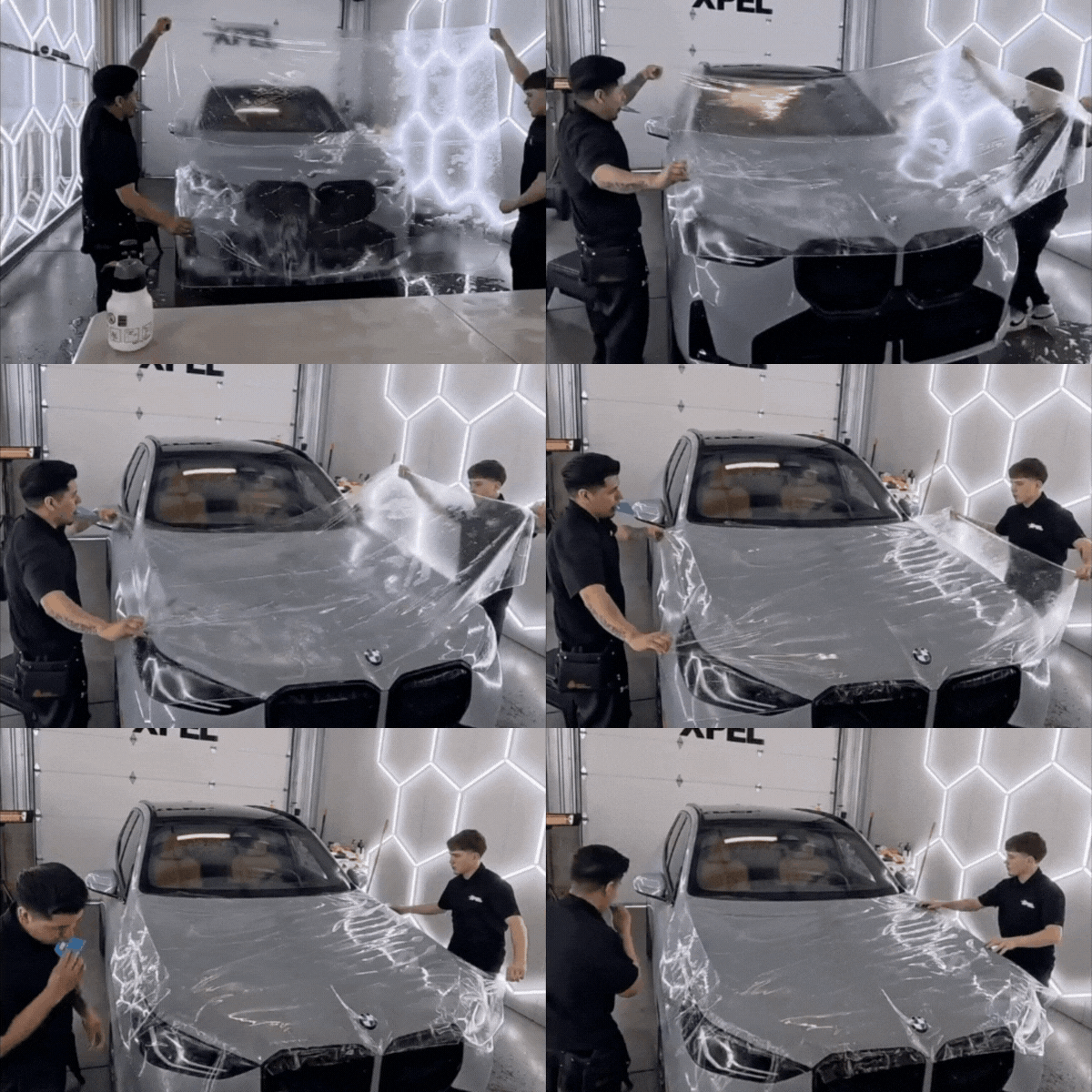
PPF is made up of multiple performance-enhancing layers, including a UV-resistant top coat that prevents fading, a hydrophobic surface that repels water, dirt, and grime, and a strong adhesive backing that keeps it bonded securely to your car’s surface. These layers work together to shield your vehicle from road debris, gravel chips, corrosive road salt, hail, and ice scraper damage, especially during the harsher winter months.
The Real Winter Threats to Your Car's Paint
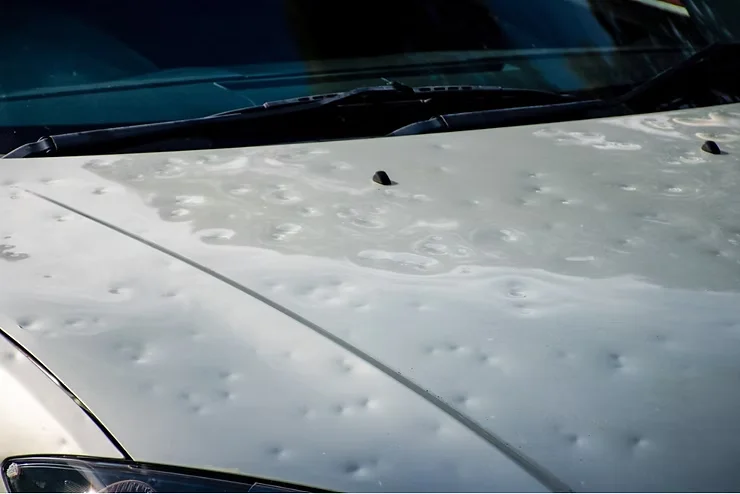
Hail and ice impacts can create unsightly dents and sharp chips in your paint, weakening the clear coat and exposing metal to corrosion.
Road salt and deicing chemicals accelerate oxidation, eating away at exposed areas and causing long-term discoloration and rust, especially around the wheel wells and lower panels.
Gravel and small stones are frequently kicked up by passing vehicles or slush, leading to pitting, chips, and surface abrasion that’s hard to repair without repainting.
Freeze-thaw cycles cause paint and clear coats to expand and contract repeatedly, leading to cracks, peeling, or clear coat separation over time.
Ice scrapers and snow brushes, while essential for visibility, often leave behind fine scratches and swirl marks on the vehicle’s paint, especially when used aggressively or on dry surfaces.
Without protection like PPF, these elements can result in frequent paint chip repairs, early onset of rust, and diminished resale value, ultimately costing more in the long run than prevention would ever.
How PPF Shields Against Winter Hazards
Hail & Gravel: Physical Impact Resistance
When hailstones or gravel hit your vehicle, they don’t just bounce off; they create small chips, dents, or worse. PPF absorbs these impacts thanks to its elastic thermoplastic urethane makeup. This reduces the risk of paint damage and serves as a robust stone chip shielding layer.
✅ Check out how PPF handles common paint damage in Tacoma winters here.
Ice Scrapers & Abrasion: Self-Healing Properties
Salt, Chemicals & Corrosion: A Barrier Against Rust
Tacoma roads are frequently treated with deicing salts that accelerate oxidation. PPF acts as a barrier, preventing metal-to-paint exposure that leads to rust. The film’s hydrophobic surface also repels salty slush and grime, making it easier to rinse off and reduce long-term damage.
Freeze-Thaw Cycles: Flexibility & Adhesion Strength
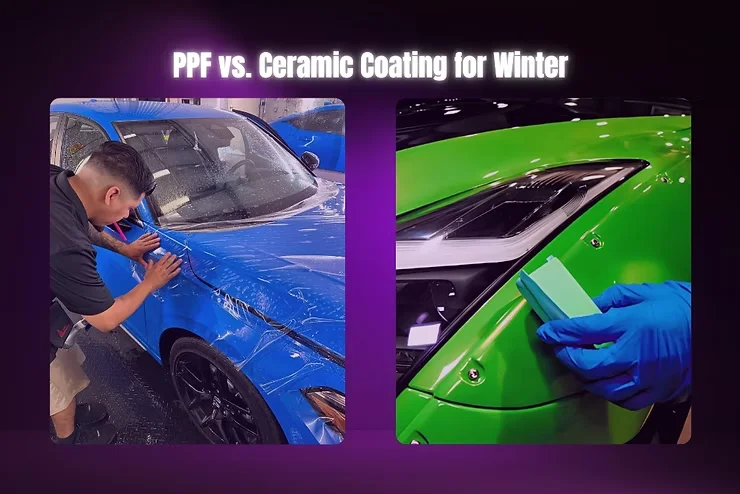
PPF vs. Ceramic Coating for Winter
-
PPF on high-impact zones (like the front end, mirrors, and lower doors)
-
Ceramic coating over the rest of the vehicle or layered on top of PPF for added hydrophobic performance and gloss
Are There Downsides to PPF in Cold Weather?
-
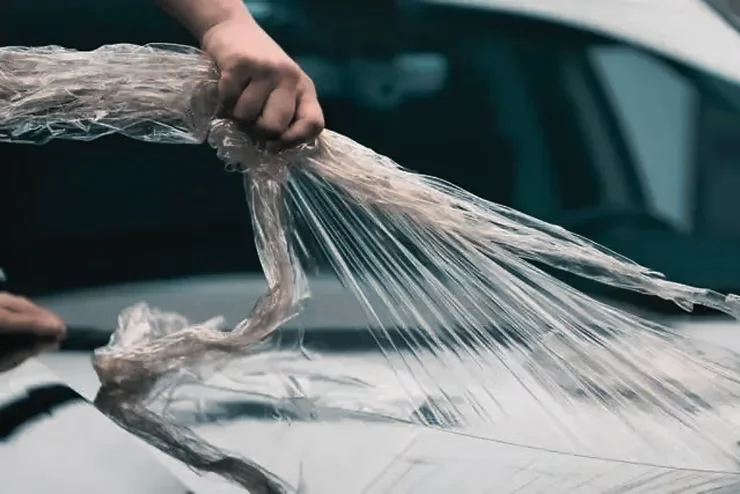
Self-healing slows in low temperatures, as the film relies on warmth to activate its repair properties. Scratches may remain visible until exposed to sunlight or warm water.
-
Improper installation during cold weather can lead to issues like poor adhesion, air bubbles, or edge lifting, especially if the surface or environment isn’t properly temperature-controlled.
-
Lower-quality films are more prone to yellowing, cracking, or reduced clarity over time, particularly when exposed to road salt, freezing rain, or harsh chemicals.
-
Initial cost is higher than wax or ceramic coatings, but PPF provides superior physical protection and longer-term savings by reducing the need for paint repairs or touch-ups.
Winter PPF Maintenance Tips for Tacoma Drivers

-
Use a plastic ice scraper and avoid metal or sharp-edged tools to prevent gouging or scuffing the film.
-
Rinse your vehicle frequently, especially after driving on salted roads, to remove corrosive buildup that can weaken the film over time.
-
Stick to touchless or hand washes; automatic brush car washes can cause surface abrasions and may lift film edges over time.
-
Dry your vehicle thoroughly, especially around the edges and seams of the PPF, to prevent water from freezing and lifting the film.
-
Inspect high-impact areas regularly (like bumpers and lower panels) for signs of lifting or damage, and address issues promptly to avoid spreading.
-
Use pH-neutral car shampoos and soft microfiber towels for cleaning to avoid damaging the film’s top coat.
Why Choose Advanced Window Tinting & PPF for Winter Protection?
-
✅ High-Quality Films: Only premium-grade PPF with hydrophobic, self-healing, and UV-resistant features.
-
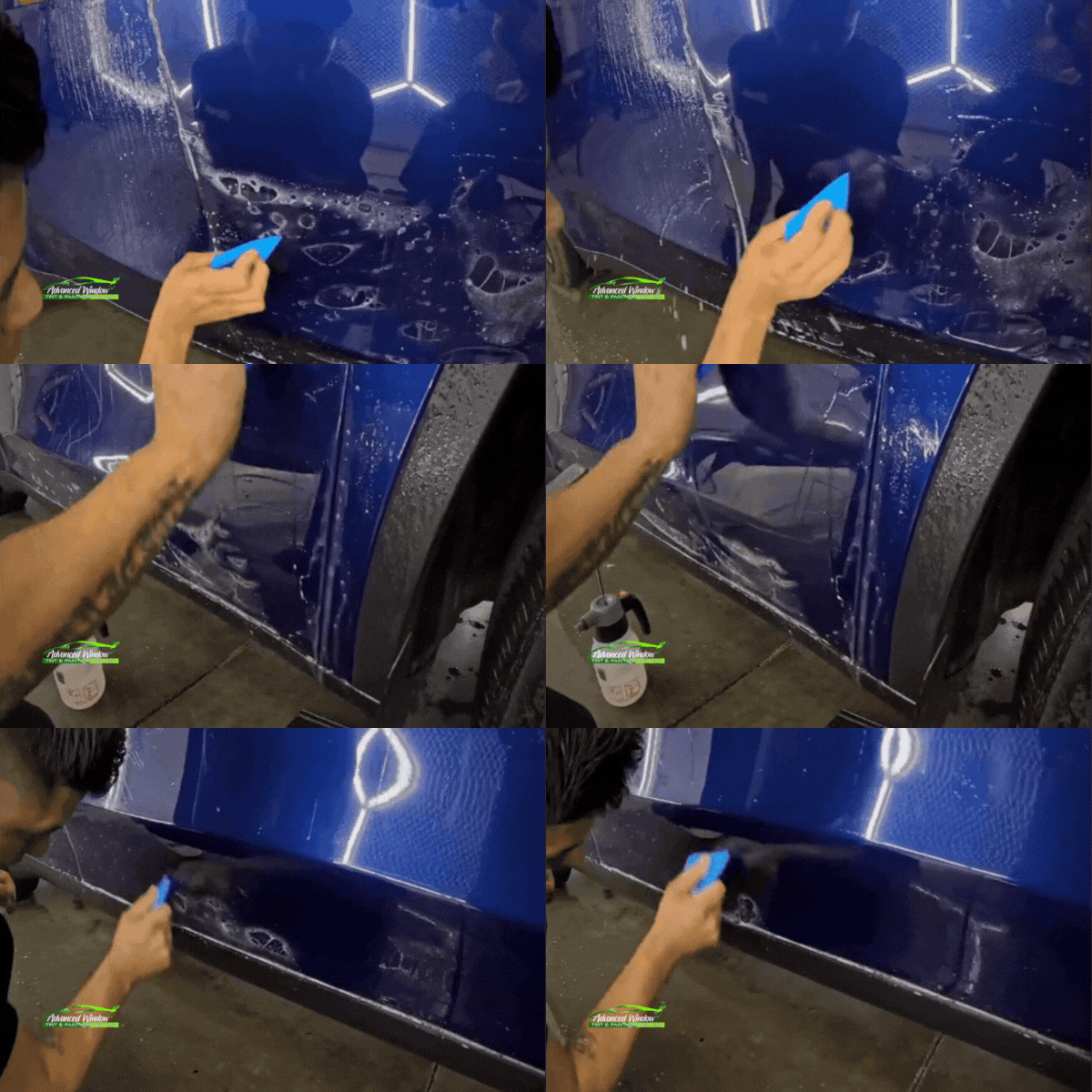
✅ Certified Installers: Skilled professionals trained in precision application for full or partial coverage.
-
✅ Climate-Controlled Facilities: Ensuring proper film adhesion even during winter installations.
-
✅ Customer-Centric Service: Transparent communication, tailored recommendations, and aftercare support.
-
✅ Comprehensive Protection Options: Combine PPF with ceramic coating for maximum defense during Tacoma’s rainy, salty winters.
Conclusion
Frequently Asked Questions
Yes. PPF acts as a cushioning layer that absorbs hail impact, preventing chips and dents.
Downsides include higher upfront costs, slower self-healing in cold conditions, and potential discoloration with low-grade films. Choosing a trusted installer mitigates most of these risks.
Most high-quality films are designed to withstand extreme cold and heat, often ranging from -40°F to 200°F without failure.
Absolutely. PPF shields against rock chips and gravel, especially on highways and slushy winter roads.
Yes, PPF is highly effective in winter, protecting against salt, ice, gravel, and physical damage.
Yes, PPF prevents salt from reaching the paint, reducing the chance of rust and corrosion.