

Ceramic coating offers car owners in Tacoma and beyond a powerful way to protect and preserve their vehicles’ beauty. But while it’s highly durable, it’s not a permanent solution. Just like oil changes and tire rotations, ceramic coating requires maintenance and eventually reapplication to ensure continued protection and performance.
In this guide, we’ll explore when and how to reapply ceramic coating, what signs indicate it’s time, and why the reapplication process matters more than most people think. Whether you’re a hands-on car enthusiast or prefer expert service, we’ll help you make the right decisions for your vehicle’s long-term care.
Understanding the Lifespan of Ceramic Coating
How Long Does Ceramic Coating Last?
Most ceramic coatings last between 2 and 5 years, depending on several key factors: the quality of the product, how it was applied, and how well the vehicle is cared for. At Advanced Window Tinting & PPF, our packages offer protection ranging from 1 to over 5 years, with our premium Gold Ceramic Coating delivering up to 6 years of high-performance durability when properly maintained.
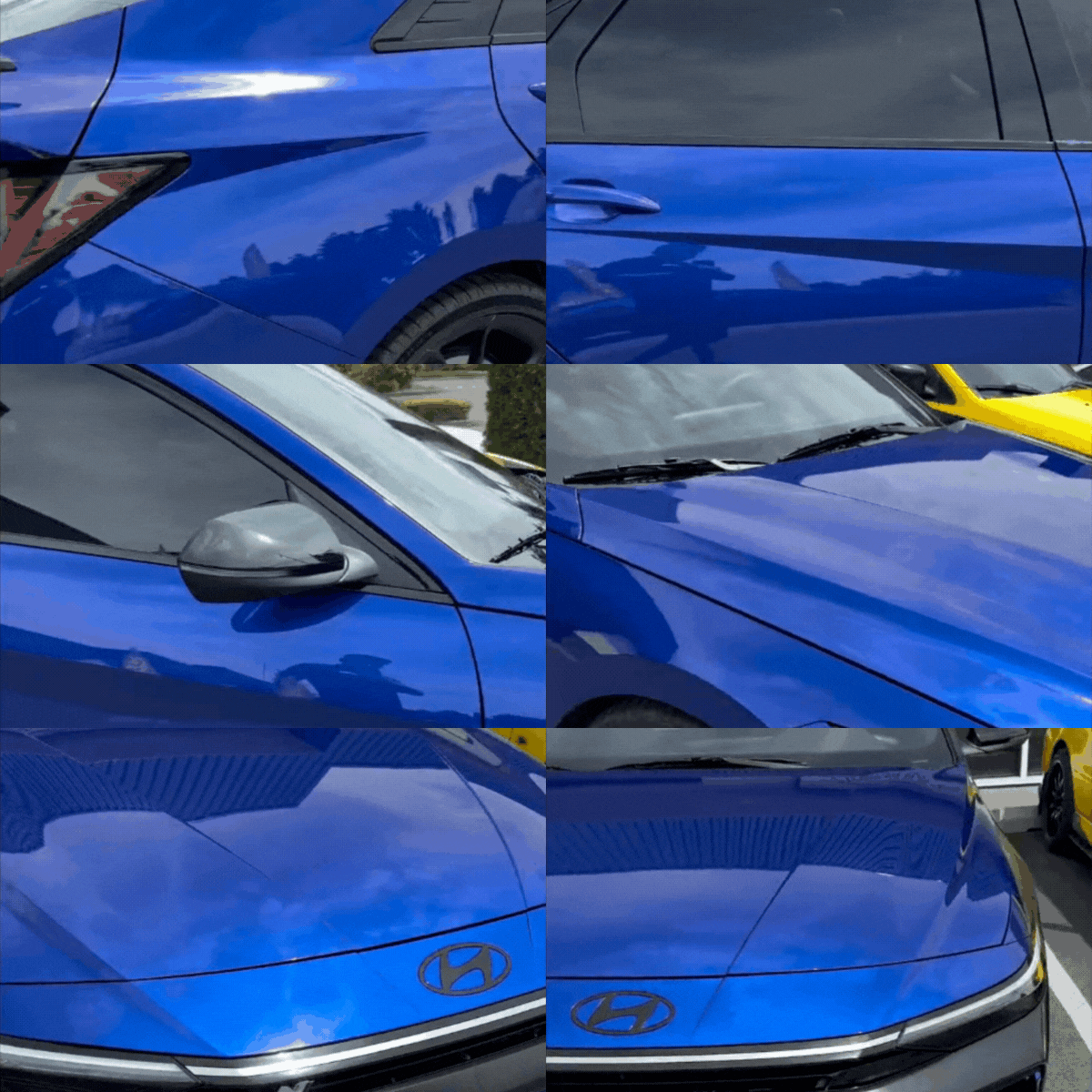
However, even top-tier coatings are not immune to wear. Over time, all ceramic coatings begin to degrade due to:
- Constant UV exposure that breaks down the coating’s molecular structure
- Harsh road contaminants, including tar, oil, and debris, that eat away at the protective layer
- Improper washing techniques, like using abrasive tools or harsh chemicals, that accelerate wear
- Environmental stress such as rain, industrial fallout, tree sap, bird droppings, and road salt (especially in colder months)
Additionally, vehicles driven daily or parked outdoors are more vulnerable to accelerated degradation. That’s why routine inspections and maintenance are vital. For drivers in Tacoma, where rain and seasonal shifts are common, reapplying your ceramic coating before it visibly fails can prevent costly paint damage and preserve your car’s showroom shine.
Signs Your Ceramic Coating Needs Reapplication
Wondering how often to reapply ceramic coating? It’s better to rely on visual and performance cues than just the calendar. Here’s what to look for:
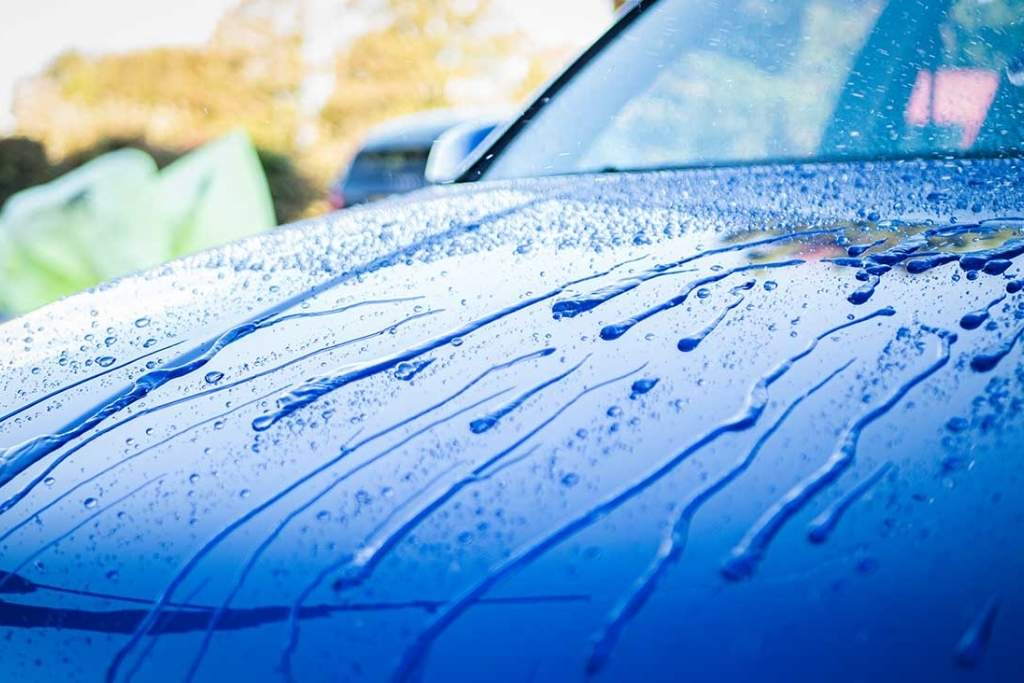
1. Loss of Water Beading (Hydrophobic Effect)
A hallmark of a healthy coating is its water-repellent nature. When water no longer beads tightly and starts sheeting or pooling, it’s a sign that the ceramic layer is failing.
2. Dull, Faded Appearance
Ceramic coatings are known for their deep gloss. If your car’s shine has diminished and it looks hazy, even after washing, it’s likely time for reapplication.
3. Increased Dirt Buildup
Is your car harder to clean, or is it attracting more grime than usual? That means the coating’s self-cleaning properties are wearing out.
4. Gritty or Rough Surface
A slick, smooth surface is a clear indicator of a functional coating. If your paint feels rough after washing, contaminants are bonding to the paint.
5. Stubborn Water Spots
When minerals etch into the paint rather than being repelled, it indicates that the protective layer is no longer effective.
The Best Time to Reapply Ceramic Coating
There’s no fixed calendar date for reapplying ceramic coating, but every 2 to 4 years is a solid benchmark for most vehicles. Factors such as product grade, driving frequency, exposure to the elements, and maintenance habits all play a role in how long your coating lasts.
In Tacoma’s varied climate, vehicles endure everything from heavy winter rainfall and road salt to intense summer UV exposure, all of which can accelerate the breakdown of ceramic protection. That’s why it’s important to inspect your coating seasonally or after events such as severe storms, extended road trips, or parking outdoors for long periods.
Some car owners even choose to reapply after professional paint correction or during major detailing sessions to refresh protection and enhance gloss.
If you’re unsure whether your coating is still performing effectively, the safest route is to schedule a coating inspection with a certified technician at Advanced Window Tinting & PPF. We’ll evaluate the surface condition, test hydrophobic properties, and recommend the best reapplication strategy tailored to your vehicle and lifestyle.
How to Prep for Ceramic Coating Reapplication
Reapplying isn’t as simple as applying a new layer. Proper prep is crucial for performance and longevity.
Step 1: Deep Clean & Decontaminate
Use a pH-neutral car shampoo, followed by an iron fallout remover. Then use a clay bar treatment to remove bonded contaminants.
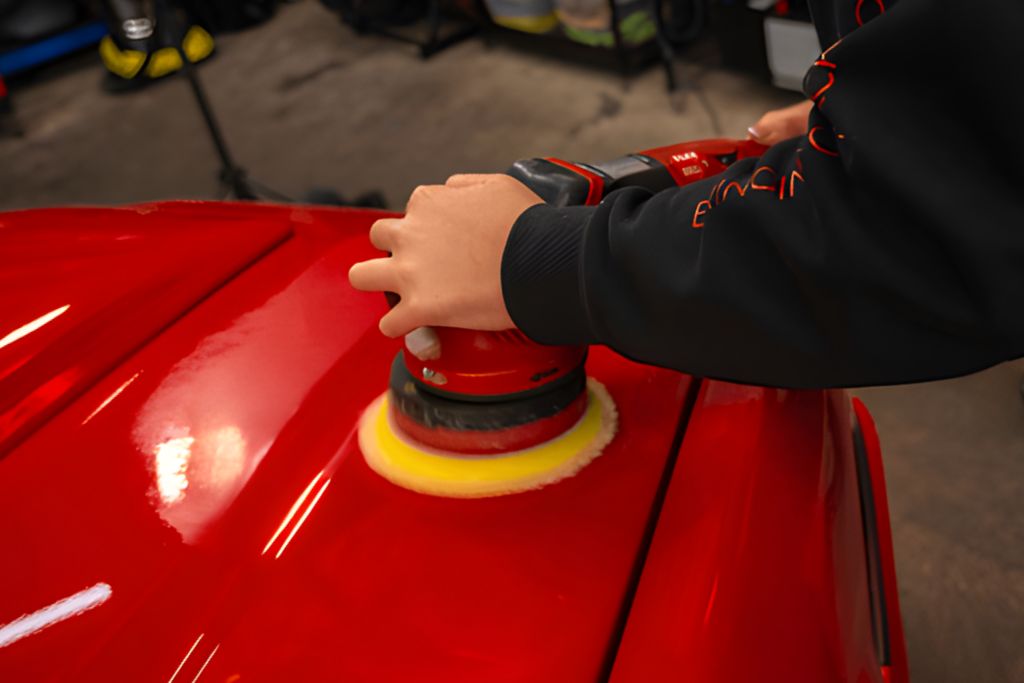
Step 2: Paint Correction
Polish the surface to remove swirl marks, oxidation, and any remnants of the previous coating. This ensures the new ceramic coating bonds directly to the paint.
Step 3: Panel Wipe
Use a solvent, such as IPA, to remove polishing oils or residue. The paint must be completely bare for proper adhesion.
Step 4: Apply New Coating
Apply the product evenly using overlapping strokes on small sections. Allow the coating to “flash” (usually within 1–3 minutes) before buffing off excess with a clean microfiber towel.
Step 5: Cure the Coating
Avoid washing or exposing the vehicle to moisture for at least 24 to 48 hours, or as recommended by the coating manufacturer.
DIY vs. Professional Ceramic Coating Reapplication
Reapplying ceramic coating yourself might seem like a cost-saving move, but without the right tools, experience, and environment, the results can fall short and even compromise your vehicle’s finish.
Common DIY Mistakes Include:
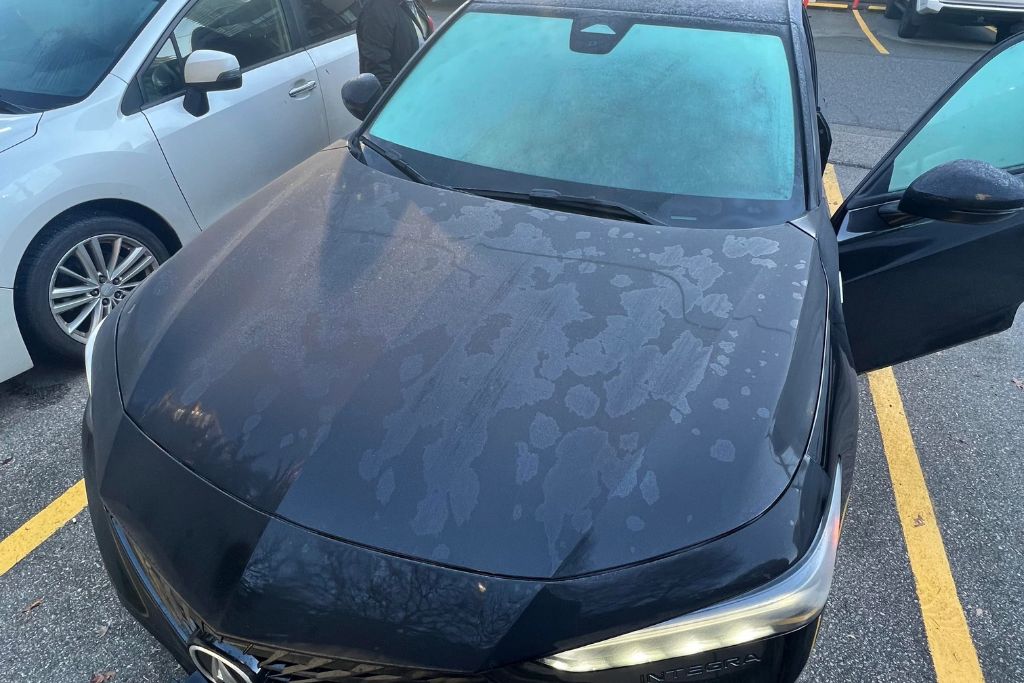
- Skipping paint correction, leading to visible swirl marks sealed under the new layer
- Applying over a contaminated surface, which prevents proper bonding and reduces durability
- Failing to fully remove the old coating causes uneven performance and patchy protection
- Uneven application, resulting in high spots, streaks, or hazy areas that are hard to fix without re-polishing
These issues don’t just affect appearance; they shorten the coating’s lifespan and can leave your paint exposed to damage.
Why Professional Application Makes a Difference
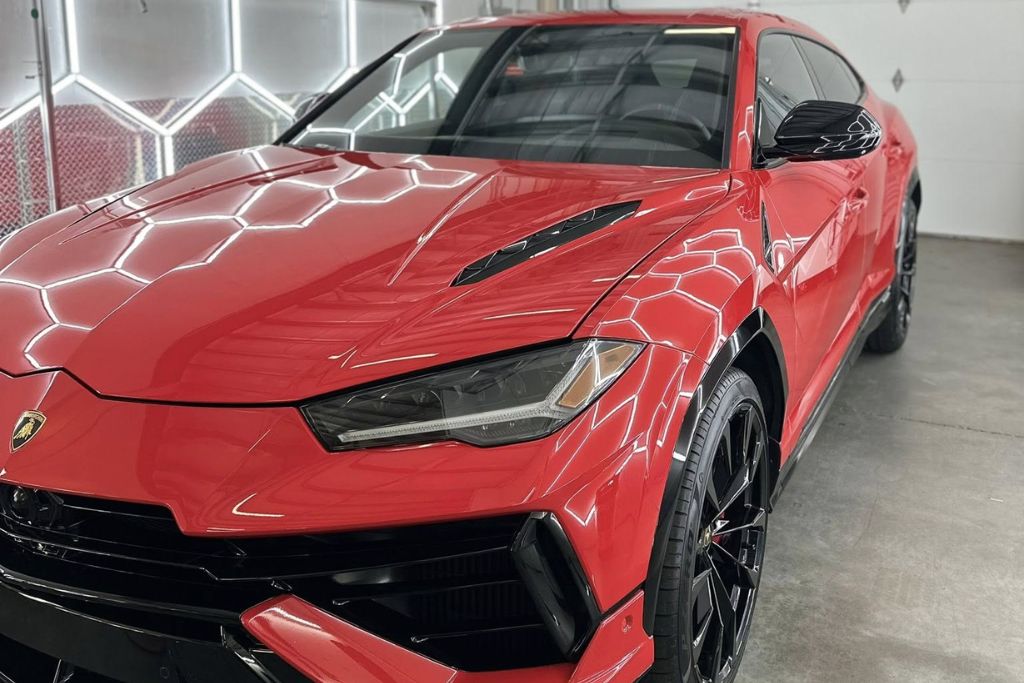
At Advanced Window Tinting & PPF, our professional ceramic coating reapplication service includes:
- Complete surface decontamination and correction to restore a flawless foundation
- Controlled application environment, free from dust, temperature swings, and humidity, factors that can ruin a DIY job
- Precision technique using tested products and tools to ensure even coating and optimal curing
- Access to premium-grade coatings, often not available in consumer kits
- Warranty-backed service, offering peace of mind and long-term protection
In Tacoma’s ever-changing climate, where rain, road salt, and UV exposure can all take a toll, professional reapplication provides lasting protection for both daily drivers and weekend cruisers.
Maintenance Tips Between Applications
Taking care of your ceramic coating doesn’t have to be complicated, but it does require consistency. With the right habits, you can extend the life of your coating, reduce wear, and delay costly reapplications.
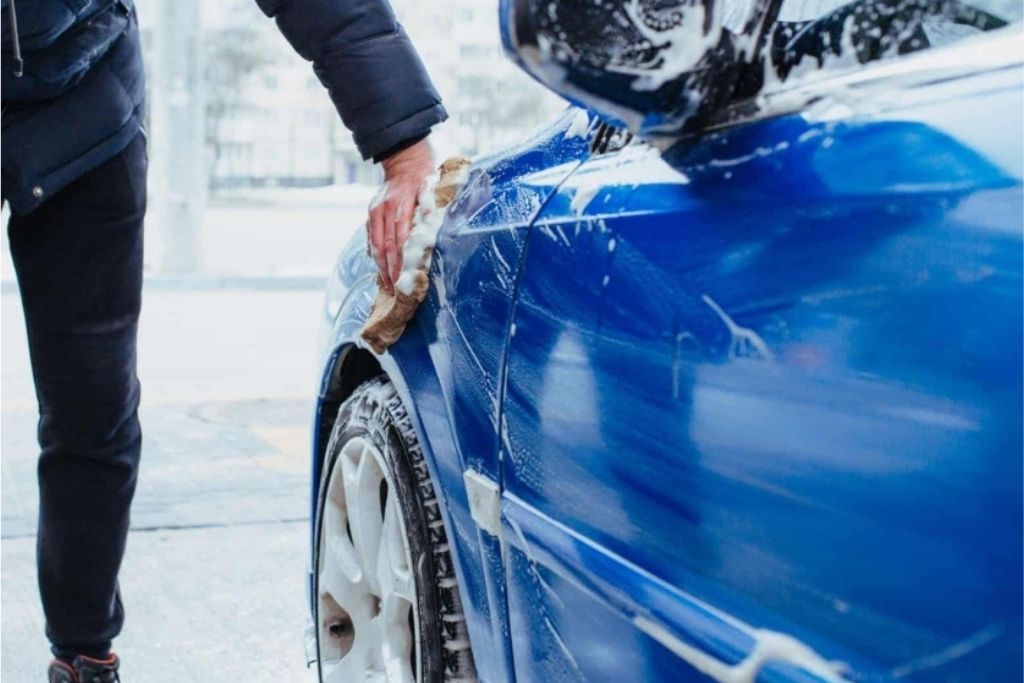
Here’s how to keep your coating performing at its best:
- Wash regularly using a pH-balanced car shampoo and soft microfiber mitts to remove grime without scratching the surface.
- Avoid automatic car washes, especially those with abrasive brushes, which can wear down the coating and cause swirl marks.
- Apply ceramic coating boosters or toppers every 6–12 months to rejuvenate hydrophobic properties and enhance gloss.
- Dry with a plush microfiber towel or air blower to prevent water spots, especially after washing or rain exposure.
- Park indoors or use a car cover when possible to minimize UV exposure, bird droppings, and tree sap
- Inspect the coating every 2–3 months, check for loss of beading, rough texture, or dullness as early signs of degradation.
- Decontaminate periodically using iron removers and clay bars to keep the surface clean and smooth.
Routine maintenance not only keeps your vehicle looking showroom-ready, but it also helps preserve the investment you’ve made in professional protection.
Ready to Reapply? Let Tacoma's Experts Help
At Advanced Window Tinting & PPF, we’re more than just a ceramic coating provider; we’re your long-term partner in vehicle protection. Serving Tacoma, Lakewood, and the surrounding areas, our team has over 15 years of experience delivering precision reapplications tailored to each vehicle’s needs and exposure.
Whether your coating is showing signs of wear, like faded gloss, weak water beading, or surface roughness, or you’re simply staying ahead with routine maintenance, we offer Bronze, Silver, and Gold ceramic coating packages to fit your budget and performance goals.
Each reapplication includes:
- Professional-grade surface prep and paint correction
- Controlled application and curing for optimal results
- Manufacturer-backed coatings with extended durability
- Honest, no-pressure evaluations and free inspections
We also provide expert guidance on maintaining your coating year-round, especially in the Pacific Northwest’s variable climate.
🔗 Explore how ceramic coating compares to PPF
🔗 Learn how to safely remove old ceramic coatings before reapplying
Protect your paint. Boost your vehicle’s value. Let’s get your shine back. Schedule your consultation today.
Final Thoughts
Reapplying ceramic coating isn’t just a cosmetic fix; it’s a smart investment in long-term vehicle protection. Know the signs, prep thoroughly, and choose professionals when it matters most. Your vehicle’s appearance, value, and durability depend on it.
FAQ: People Also Ask
Why should ceramic coating be reapplied after a certain period?
Over time, ceramic coatings degrade due to environmental exposure. Reapplication ensures your car maintains full protection and gloss.
Why does ceramic coating lose effectiveness?
UV rays, chemical exposure, washing, and regular driving slowly break down the coating’s molecular structure.
Why is surface prep important before reapplying ceramic coating?
Without proper prep, the new coating may not bond well, leading to uneven application or premature failure.
Can I just apply a new layer over the old one?
No. The old layer must be removed or polished off first to avoid bonding issues and streaks.
Why do professional applications last longer than DIY?
Professionals use higher-quality materials, controlled environments, and advanced techniques to ensure proper bonding and curing.
