


For car owners in Tacoma and throughout the Pacific Northwest, rain isn’t an occasional inconvenience; it’s a constant reality. Persistent moisture, damp roads, and airborne pollutants quietly wear down vehicle paint over time. That’s exactly why ceramic coating is great for Washington’s wet weather. It’s engineered to protect paint in environments where traditional protection methods struggle to survive.
Rather than offering short-term shine, ceramic coating provides functional, long-lasting protection that directly addresses Washington’s unique climate challenges.
Washington’s Rainy Climate and Its Long-Term Impact on Vehicle Paint
Washington’s wet climate creates ideal conditions for environmental paint damage. Frequent rain keeps vehicle surfaces damp for extended periods, allowing contaminants to settle and bond to the clear coat. In Tacoma, this is often compounded by road grime, industrial pollutants, and mineral-heavy rainwater.
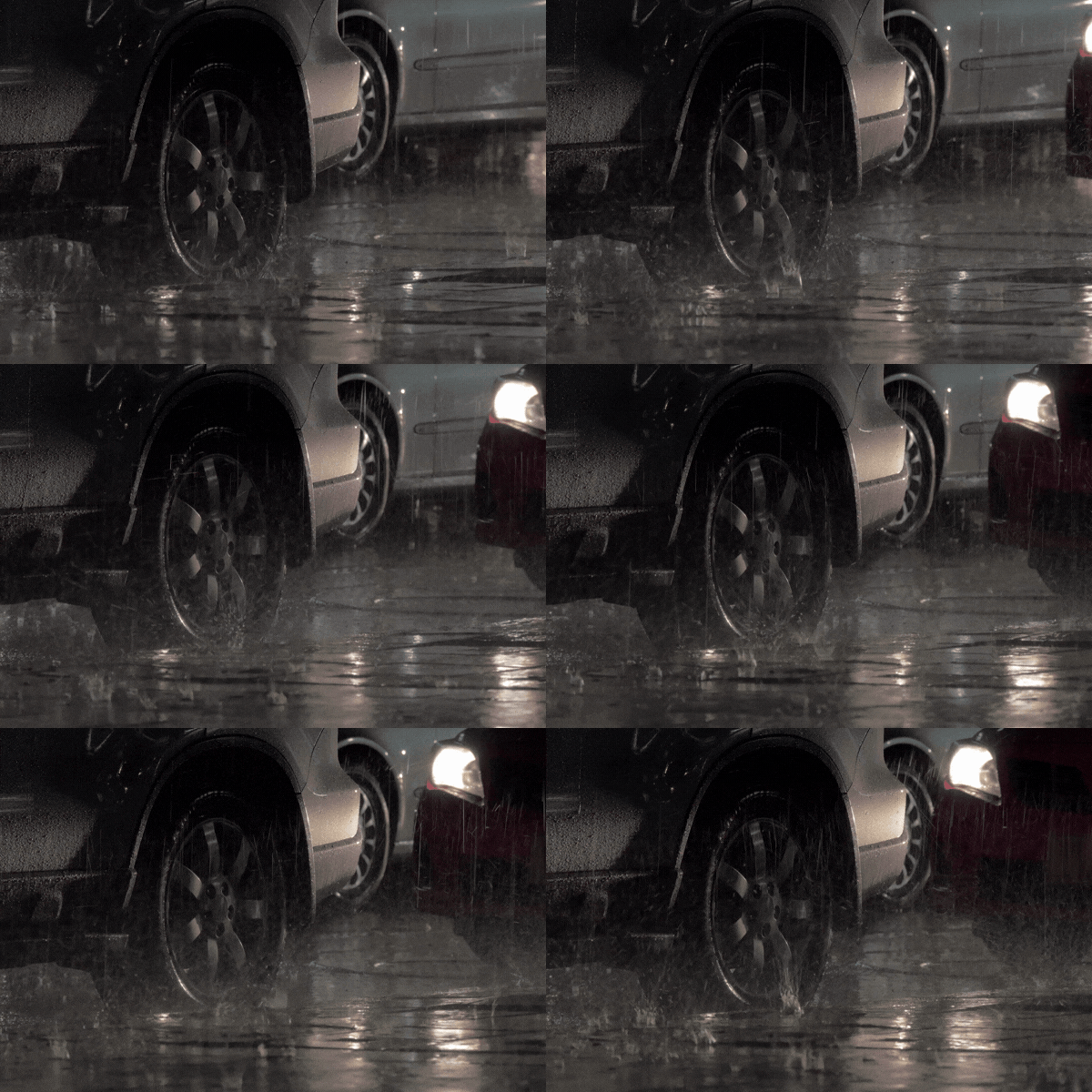
Over time, constant moisture exposure contributes to:
- Oxidation and corrosion resistance breakdown
- Mineral deposits that etch into the clear coat
- Dullness and premature paint aging
Without proper protection, even newer vehicles can begin to show visible damage far sooner than expected.
Why Water Retention Is Harmful to Clear Coat in Wet Climates
The biggest threat isn’t rain itself, it’s water retention. On untreated paint, water spreads and lingers, seeping into microscopic pores in the clear coat. As it evaporates, it leaves behind minerals and acidic residue that slowly degrade the surface.
This explains why:
- Rain increases the buildup of dirt and minerals on untreated paint.
- Vehicles in wet climates oxidize more quickly.
- Preserving the clear coat becomes increasingly difficult over time.
Ceramic coating solves this problem by fundamentally changing how water behaves on the paint.
Hydrophobic Protection Designed for Washington Rain
One of the main reasons ceramic coating is effective in Washington’s wet weather is its hydrophobic surface protection. Once applied, ceramic coating forms a smooth, non-porous layer that causes water to bead up and roll off rather than cling to the surface.
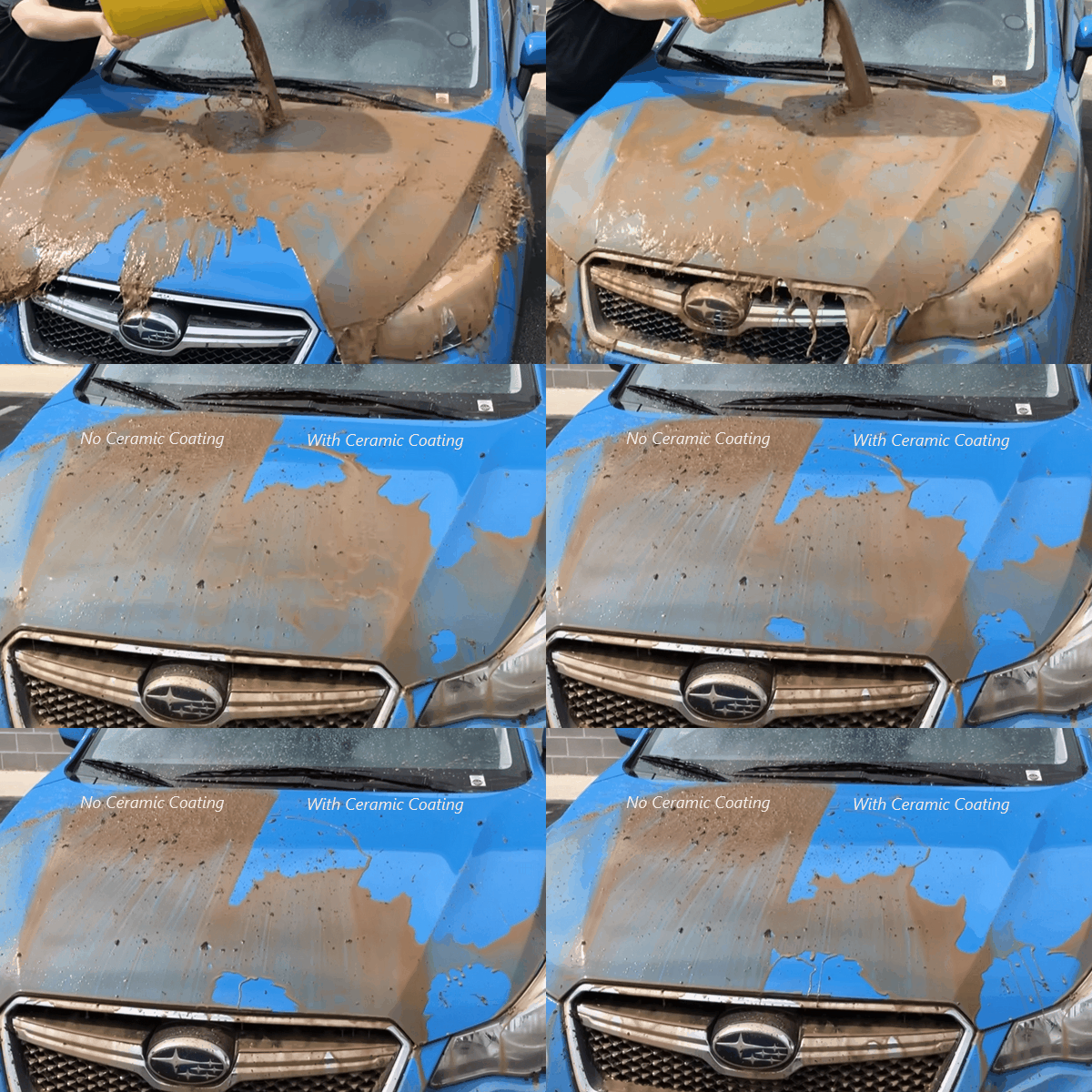
This water repellency technology results in:
- Rain carries away dirt, mud, and pollutants.
- Reduced water spotting and mineral etching
- Faster drying after storms and washes
In practical terms, this creates a self-cleaning vehicle surface, an ideal advantage in the Pacific Northwest’s rainy environment.
Ceramic Coating vs. Wax in Consistently Wet Weather
Many Tacoma drivers still rely on traditional wax, but it simply isn’t suited to rainy climates.
Wax breaks down quickly when exposed to constant moisture, road grime, and repeated rainfall. It washes away within weeks, leaving paint vulnerable just when protection is needed most.
Ceramic coating, by contrast:
- Bonds directly to the clear coat
- Offers long-term paint sealant durability
- Maintains protection through months of rain
For drivers who prioritize long-term value, this in-depth guide to ceramic coating costs in Tacoma, WA, is a must-read. Explains why ceramic coating often becomes the more cost-effective solution in wet climates.
Protection From Acid Rain, Corrosion, and Road Contaminants
Rainfall in Washington often contains pollutants that contribute to acid rain. Combined with road salt and de-icing chemicals during colder months, this accelerates paint degradation.
Ceramic coating acts as a sacrificial barrier, helping protect against:
- Acid rain etching
- Oxidation caused by prolonged moisture exposure
- Road grime and mineral buildup
This layer of nano-ceramic protection prevents contaminants from bonding to the clear coat, significantly reducing long-term damage.
Reduced Maintenance for Tacoma’s Daily Drivers
One of the most appreciated benefits of ceramic coating in Washington is reduced maintenance. Because dirt and grime struggle to adhere to coated surfaces, vehicles stay cleaner longer even during rainy seasons.
This is especially valuable for:
- Daily commuters
- Vehicles parked outdoors
- Drivers dealing with moss spores and organic debris
If you want to explore how these advantages go beyond appearance, this article on why ceramic coating is worth it in Tacoma, beyond gloss, dives deeper into the practical benefits for local drivers.
Preserving Vehicle Value in the Pacific Northwest
In wet climates, paint condition plays a major role in resale value. Buyers quickly notice oxidation, fading, and clear coat failure ,common issues on vehicles exposed to years of rain without protection.
Ceramic coating helps preserve vehicle value by:
- Slowing paint degradation caused by moisture
- Maintaining gloss and color depth
- Protecting factory clear coat integrity
For Washington drivers planning long-term ownership, this protection can make a measurable difference.
Longevity That Matches Washington’s Climate
Unlike wax or short-term sealants, ceramic coating is designed for long-term performance. Professional applications can last several years, even in moisture-heavy environments like Tacoma.
To maintain peak performance, proper care and occasional evaluation are important. This guide on when and how to reapply ceramic coating for optimal protection explains how to keep your coating working effectively without unnecessary reapplication.
Why Professional Application Matters in Wet Regions
Ceramic coating performance depends heavily on proper surface preparation and controlled curing, especially in high-moisture environments.
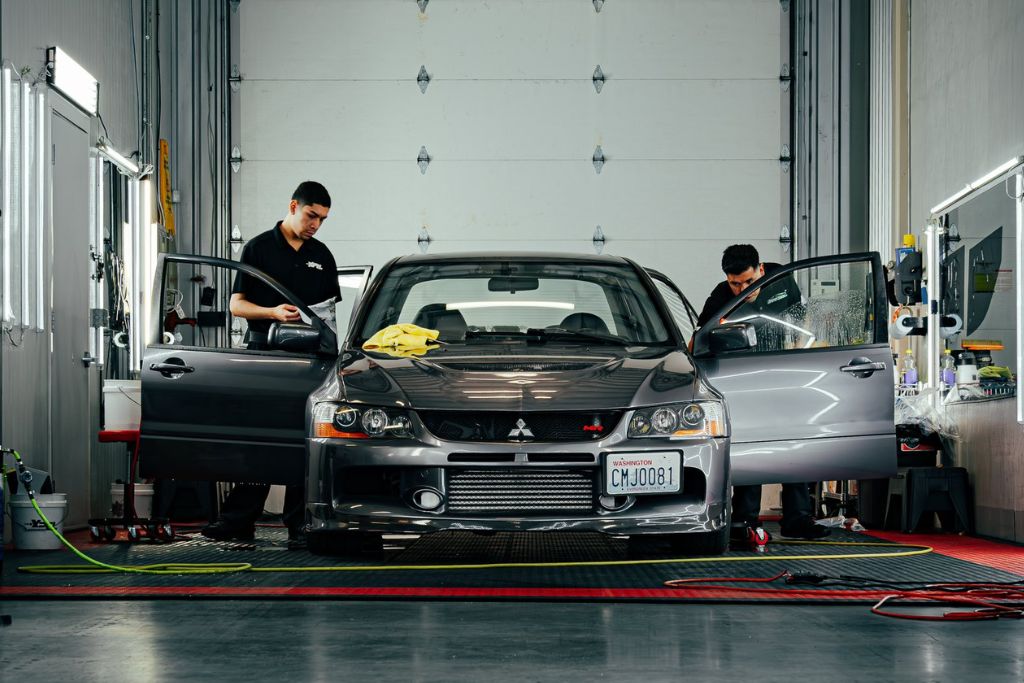
Professionally applied coatings, such as those offered by Advanced Window Tinting & PPF, ensure:
- Correct bonding to the clear coat
- Maximum durability in wet weather
- Consistent, long-lasting results
Local experience matters when protecting vehicles against Pacific Northwest conditions.
Why Ceramic Coating Is a Smart Choice for Washington Drivers
When you consider constant rain, moisture exposure, and long-term maintenance demands, it becomes clear why ceramic coating is great for Washington’s wet weather. Its hydrophobic properties, corrosion resistance, and durability make it one of the most effective paint protection solutions for Tacoma drivers.
Instead of fighting the rain, ceramic coating turns it into an advantage, helping vehicles stay cleaner, protected, and looking newer for years to come.