

No, paint correction before ceramic coating is not necessary for every vehicle. At Advanced Window Tinting & PPF, we recommend correction when swirl marks, light scratches, haze, oxidation, or other defects would affect the finished look. If the paint is already in excellent condition, thorough cleaning, decontamination, and light polishing may be enough before the coating is applied.
That distinction matters because ceramic coating protects the finish you already have. It does not repair damaged clear coat or erase defects underneath. In our Tacoma-area shop, we start with the paint condition, then choose the least aggressive preparation that supports a clean, refined result.
Why Does Ceramic Coating Preparation Matter?
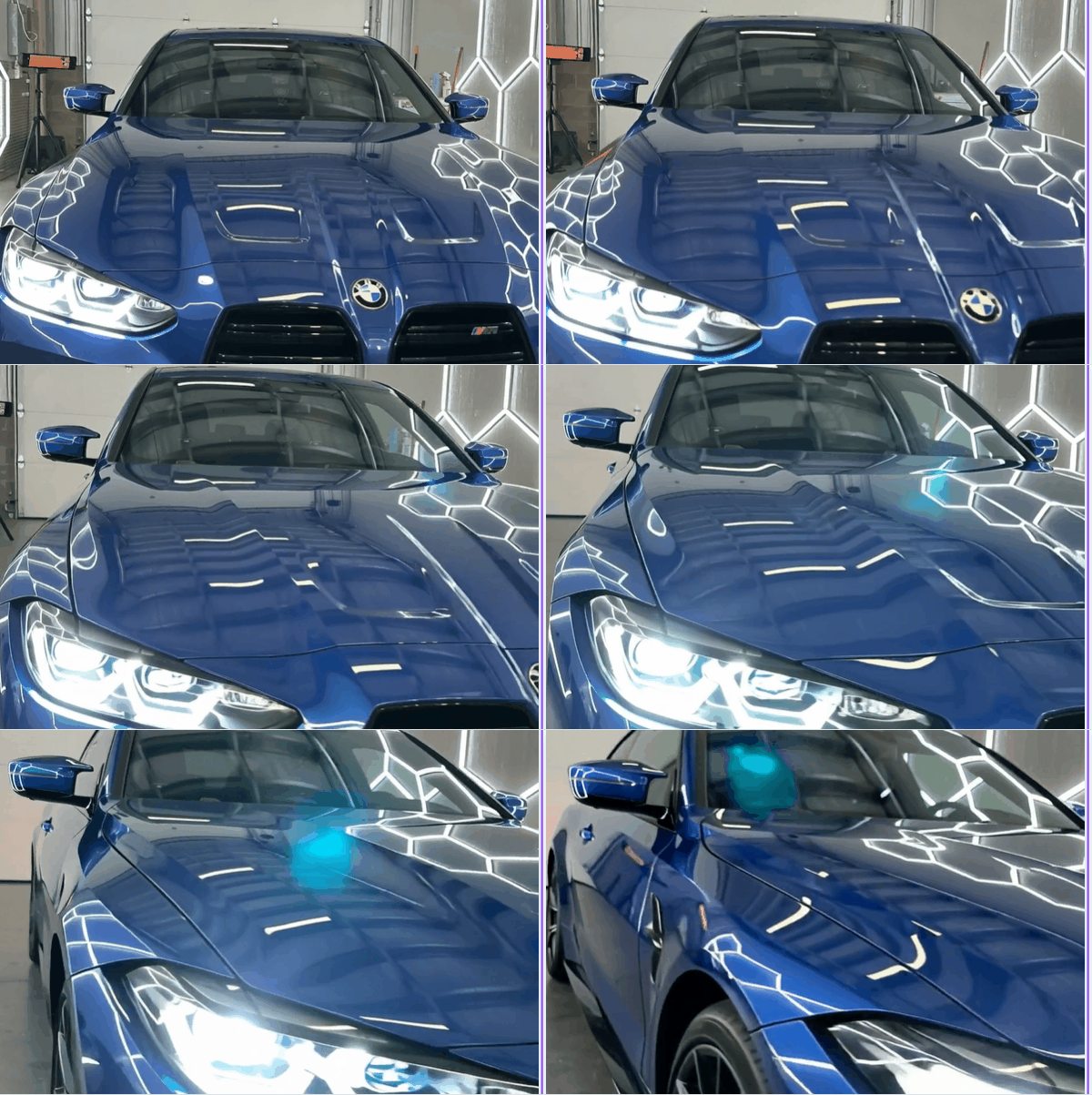
Ceramic coating is only as good as the surface it is installed on. Before application, the paint needs to be free of dirt, bonded contamination, polishing residue, waxes, and oils that could interfere with a consistent installation.
That is why preparation is a core part of our ceramic coating service, not an optional extra. Depending on the vehicle, we may use a thorough wash, chemical decontamination, clay bar treatment, paint inspection, light polishing, and a final surface wipe before coating.
Our ceramic coating service in Tacoma outlines the coating options and preparation included with our current packages.
Is Paint Correction the Same as Ceramic Coating Prep?
No. Paint correction before ceramic coating is one possible part of preparation, but the two are not identical.
Surface preparation focuses on getting the paint clean and ready for the coating. Paint correction focuses on reducing visible defects in the clear coat. A car can be properly prepared for coating without needing a full correction if the finish is already in very good condition.
When Is Paint Correction Before Ceramic Coating Worth It?
We recommend paint correction before ceramic coating when visible defects would remain noticeable after the coating is installed.
Ceramic coating is transparent. It can make a well-prepared finish look deeper and glossier, but it does not fill in scratches or level swirl marks. If the paint has defects you already notice in sunlight or under inspection lighting, those marks can still be visible afterward.
What Types of Paint Defects Can Be Improved?
Depending on their depth and severity, polishing may reduce:
- Wash-induced swirl marks
- Fine or light scratches
- Haze and dullness
- Mild oxidation
- Some water spot etching
- Holograms or polishing trails from previous work
Not every defect should be removed completely. Clear coat is limited, so chasing a deep scratch too aggressively can do more harm than good. Our goal is to improve clarity while preserving as much healthy paint as possible.
Why Can Swirl Marks Look More Noticeable After Coating?
A coating can increase gloss and reflection. That can make existing swirl marks or scratches easier to see in strong light.
The coating did not create those defects. It simply follows the condition of the surface underneath. If a mark is likely to bother you after the job is complete, paint correction before ceramic coating may be the better choice.
Does Ceramic Coating Need Paint Correction to Bond?
Not always.
A coating needs a properly cleaned and prepared surface, but paint correction before ceramic coating is not automatically required for bonding. If the paint is already clean, smooth, and free of meaningful defects, lighter preparation may be sufficient.
This is one reason we avoid recommending paint correction before ceramic coating as a blanket rule. The right process depends on the condition of the vehicle, not a one-size-fits-all package.
What Does Proper Surface Preparation Include?
A typical preparation process may include:
- Hand washing to remove loose grime and road film
- Chemical decontamination when needed
- Clay bar treatment or another mechanical decontamination method
- Inspection under direct or shop lighting
- Polishing or correction based on actual defects
- Removal of polishing oils and residue
- Final surface preparation before coating
These steps help us create a clean foundation for the coating while avoiding unnecessary polishing.
How Much Paint Correction Before Ceramic Coating Does a Car Need?
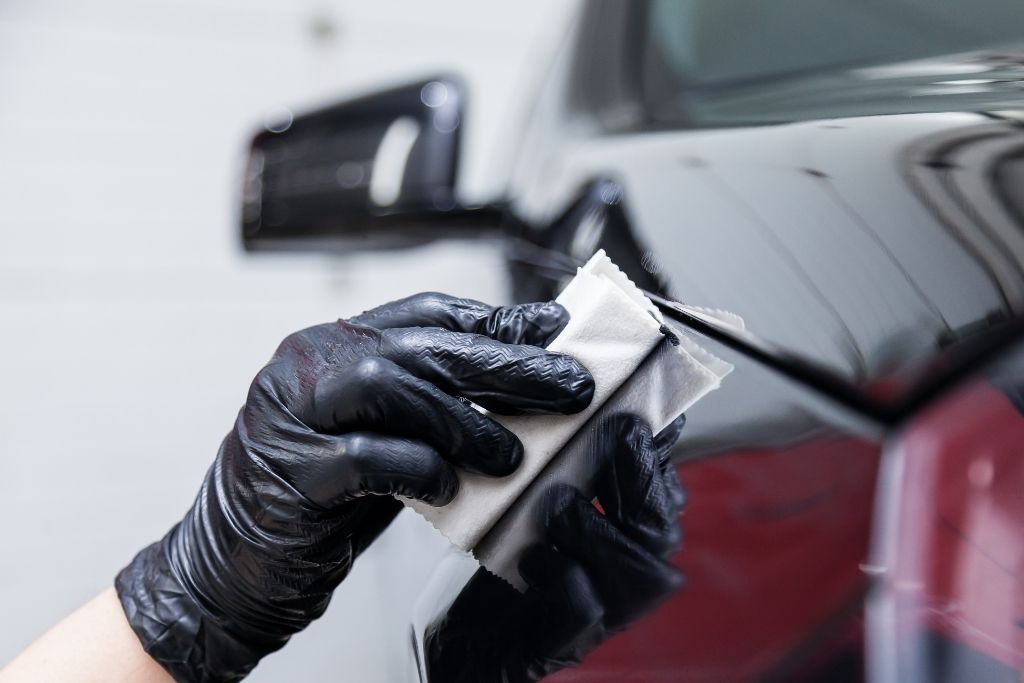
There is no single answer. We look at the type of defects, how visible they are, the condition of the clear coat, and what the owner expects from the finished vehicle.
|
PAINT CONDITION |
TYPICAL APPROACH |
|
Clean, glossy paint with minimal defects |
Decontamination and light surface prep |
|
Fine haze or isolated light swirls |
Finishing or enhancement polish |
|
Noticeable wash swirls and light scratches |
One-step correction |
|
Moderate marring, oxidation, or etching |
More involved correction after inspection |
|
Deep scratches or uncertain clear-coat condition |
Conservative evaluation |
When Is a One-Step Correction Enough?
A one-step paint correction before ceramic coating can be a good fit for a daily driver with light-to-moderate marring.
One polishing stage may reduce routine wash swirls, mild dealership marks, and light haze without turning the service into an aggressive multi-stage correction. For many Tacoma-area vehicles, that provides a noticeable improvement while keeping the process sensible.
When Might More Correction Be Worthwhile?
More involved polishing may make sense when the finish has heavier swirls, oxidation, water spot etching, obvious haze, or defects from previous machine polishing.
Even then, we set realistic expectations. A deep scratch may not be safe to remove fully. In those cases, reducing its appearance can be a smarter choice than thinning the clear coat in pursuit of perfection.
Does a Brand-New Car Need Paint Correction Before Ceramic Coating?
Sometimes.
New vehicles can pick up defects during transportation, outdoor storage, dealership washing, lot maintenance, and pre-delivery preparation. We regularly remind customers that low mileage does not guarantee flawless paint.
What Do We Look for on New Paint?
Before recommending correction, we inspect for:
- Fine swirls
- Water spots
- Light scratches
- Polishing haze
- Bonded contamination
- Uneven clarity
If the finish already looks excellent, there is no reason to perform aggressive paint correction before ceramic coating simply because the car is new. A careful decontamination and light polish may be enough.
If you want a broader explanation of coating preparation and ownership, our complete ceramic coating guide for Tacoma car owners covers those basics in more detail.
Can You Apply Ceramic Coating Without Paint Correction?
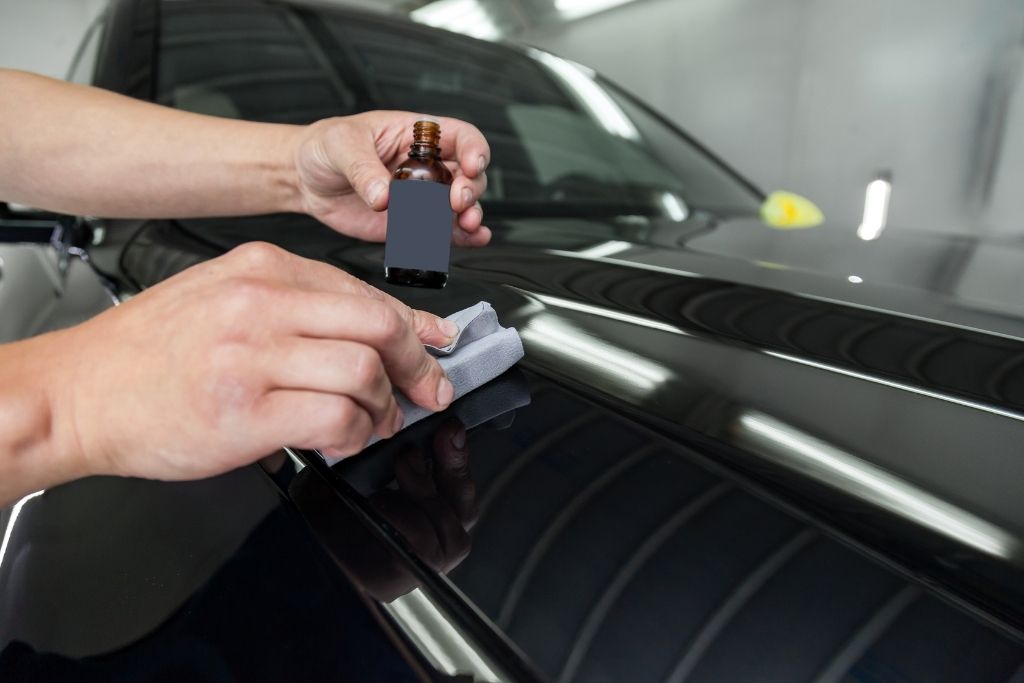
Yes.
Ceramic coating without paint correction can be a reasonable option when the paint already meets your expectations. The key is that the surface still needs to be properly cleaned, decontaminated, inspected, and prepared.
You may choose to skip substantial correction when:
- The paint is already in very good condition
- Remaining defects are minor
- Protection matters more than cosmetic perfection
- Additional polishing would provide little visible benefit
- Preserving clear-coat thickness is the higher priority
If the vehicle has paint protection film or vinyl wrap, the preparation process is different from exposed factory paint. Our guide to ceramic coating over PPF and vinyl wrap covers that separate situation.
What Should Tacoma Drivers Consider Before Booking Ceramic Coating?
Before choosing how much prep your vehicle needs, think about what you want the finished result to look like.
Ask yourself:
- Are swirl marks obvious in direct sunlight?
- Do scratches or water spots bother you?
- Has the vehicle frequently gone through brush-style automatic washes?
- Is your priority protection, appearance improvement, or both?
- Would you accept a deeper defect if removing it would require aggressive polishing?
- How long do you plan to keep the vehicle?
Those answers help us decide whether paint correction before ceramic coating is worthwhile or whether a lighter prep approach will achieve the result you want.
You can also browse our automotive protection gallery to see examples of the types of vehicles and finishes our team works with.
Why Does an In-Person Paint Assessment Matter?
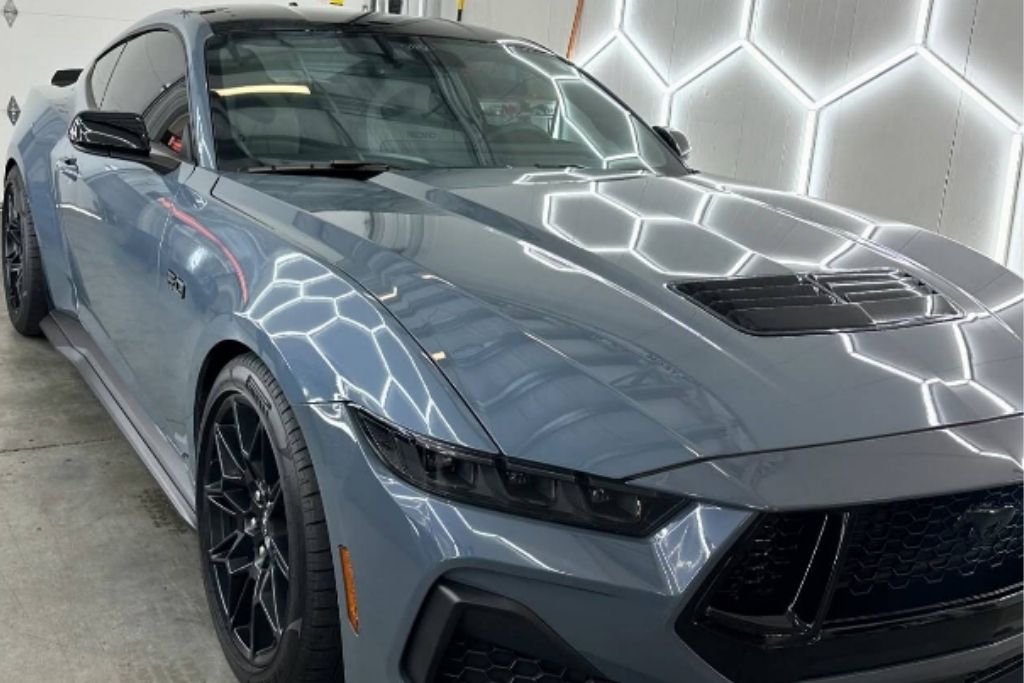
At Advanced Window Tinting & PPF, we serve drivers from Tacoma, Lakewood, Puyallup, Spanaway, and surrounding Pierce County communities.
With more than 15 years of automotive-care experience, we have learned that paint condition rarely fits neatly into “new” or “old.” We see newer vehicles with dealership marring and older cars that have been maintained carefully for years.
That is why we inspect first and recommend second.
Some vehicles need only careful surface preparation. Others benefit from paint correction before ceramic coating, often as a one-step correction. A smaller number may justify more extensive polishing. Sometimes the responsible recommendation is to leave a deeper defect alone rather than remove unnecessary clear coat.
Our goal is to explain what we see, what can realistically be improved, and what level of work makes sense before the coating is installed.
Do You Need Paint Correction Before Ceramic Coating? Our Recommendation
Paint correction before ceramic coating makes sense when visible defects would prevent you from being happy with the finished result. If the paint already looks clean and refined, lighter preparation may be enough.
At Advanced Window Tinting & PPF, we treat ceramic coating as a complete process: inspect the paint, correct only what needs improvement, prepare the surface carefully, and protect a finish worth keeping.
If you are in Tacoma, Lakewood, Puyallup, Spanaway, or elsewhere in Pierce County, visit the Advanced Window Tinting & PPF homepage or request a ceramic coating quote. Our team can assess your vehicle and recommend the preparation approach that fits its actual condition.