

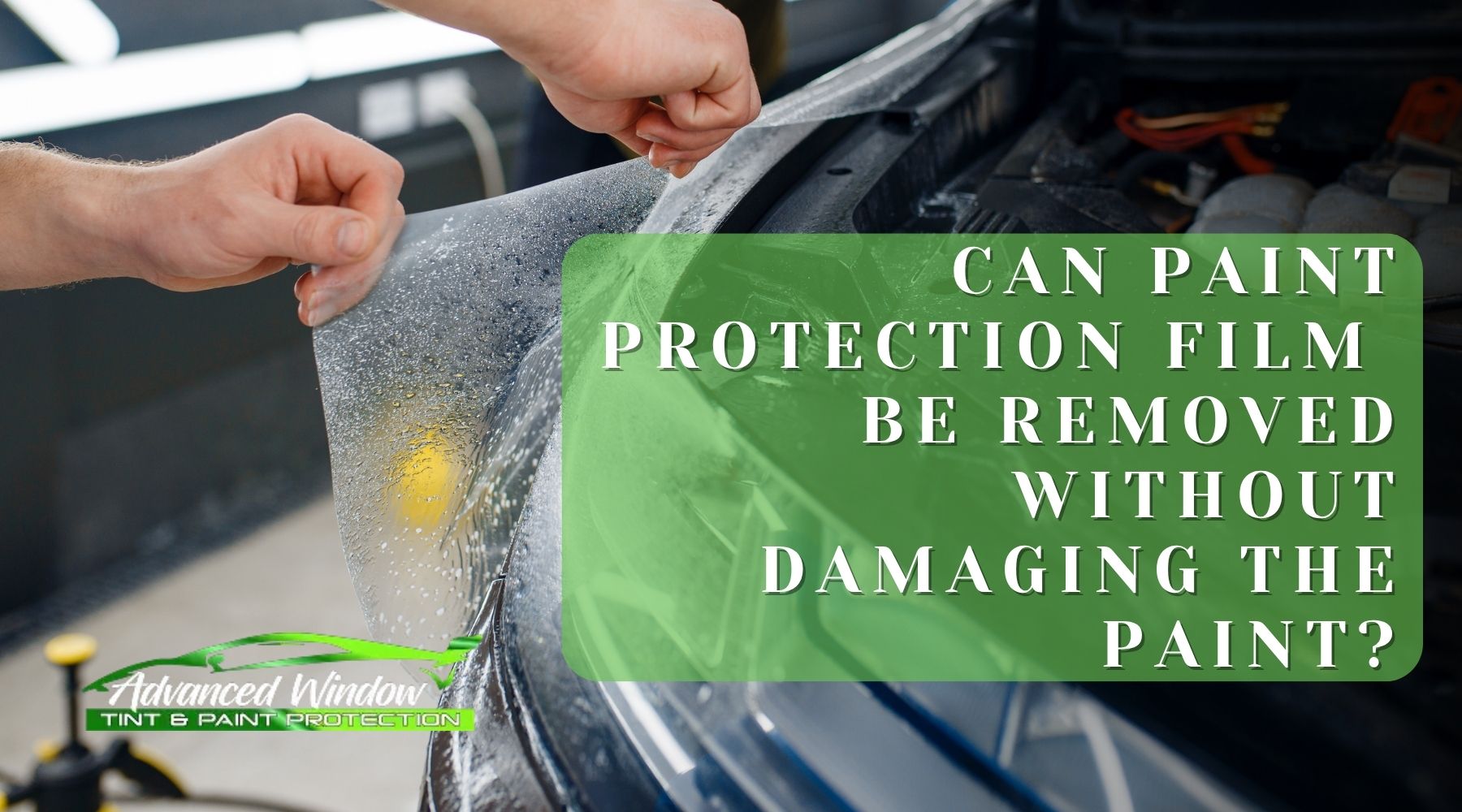
Yes, PPF removal can usually be completed without damaging sound factory paint when the film is warmed gradually, peeled at a controlled angle, and cleaned with paint-safe products. The biggest risks involve failing clear coat, poorly cured repaint work, brittle film, excessive heat, or rushed removal rather than the film alone.
At Advanced Window Tinting & PPF, we understand why this matters. You chose paint protection film to preserve your finish, not create another concern later. From our experience with Tacoma-area vehicles, inspection is just as important as technique because the paint and film may not be in the same condition on every panel.
Can PPF Removal Damage Automotive Paint?
PPF removal is generally safe on stable, properly cured automotive paint. Quality paint protection film is intended to be replaceable, allowing owners to remove worn or damaged material and install fresh protection when needed.
The outcome becomes less predictable when the surface is already weak. Clear-coat failure, oxidation, touch-ups, previous repairs, or poorly cured repaint work can increase the chance of paint lifting.
That is why safe PPF removal starts with the vehicle’s history, paint condition, film age, and signs of prior bodywork.
Why Is Factory Paint Usually More Predictable?
Factory paint is applied and cured under controlled conditions. It typically has a strong, consistent bond to the body panel, which helps it tolerate safe PPF removal.
Repainted panels can also perform well, but results depend on preparation and curing. A bumper may look flawless while still having weak adhesion beneath the clear coat.
Owners of used, restored, or high-mileage vehicles can learn more about evaluating PPF for older cars before deciding on removal and replacement.
Why Does Old or Brittle Film Require More Care?
Newer, flexible film often releases in larger sections. Old material may crack, split, or leave adhesive behind, making old PPF removal slower and more detailed.
UV exposure, road contamination, temperature changes, impact damage, and neglected edges can affect the film. Once it becomes brittle, the safer approach is to work in smaller sections and adjust the temperature and peeling direction.
How Do We Handle Professional PPF Removal?
Our PPF removal process begins before we lift an edge. We assess the surface, prepare the vehicle, control the working temperature, remove the film gradually, and inspect the exposed paint afterward.
1. We Inspect the Film and Paint First
We check for yellowing, cracking, bubbling, cuts, lifting edges, adhesive buildup, oxidation, and failing clear coat. We also look for differences in paint texture or color that may suggest a repaired panel.
This inspection helps us set realistic expectations. One panel may remove normally while another requires a slower test area. Our goal is to make informed decisions before avoidable damage occurs.
2. We Clean and Prepare the Work Area
Dirt often gathers around film edges, emblems, trim, and panel gaps. If that grit moves across exposed paint, it can leave fine scratches.
We clean the vehicle and protect sensitive areas before beginning automotive PPF removal. Good surface preparation also makes it easier to see adhesive residue and inspect the finish once the film is gone.
3. We Use Controlled Heat or Steam
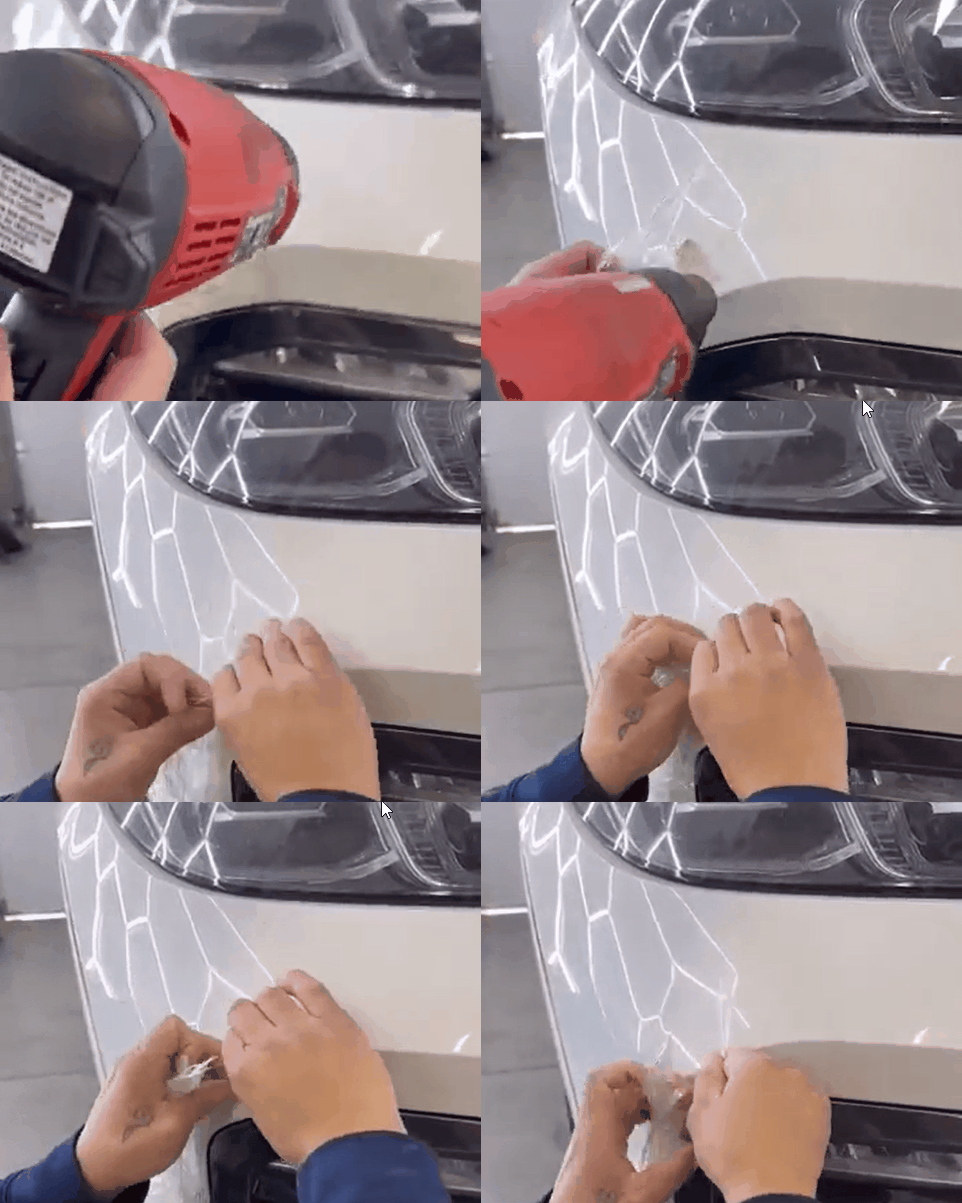
Carefully managed heat helps soften the adhesive and reduces the pulling force required. Depending on the panel and condition of the film, steam may also help the material release.
The key is control. Too little heat can make the film resist and tear; too much can affect paint, trim, lights, or rubber components. In our experience, patience matters more than aggressive heat.
4. We Peel Slowly at a Low Angle
Once an edge is accessible, we keep the film close to the surface while peeling. Pulling straight outward can create more upward stress on the paint.
We also avoid sudden jerking. When the film begins tearing repeatedly or requires unusual force, we stop and adjust rather than trying to overpower it. That measured approach is central to removing paint protection film without damaging paint.
5. We Complete Paint-Safe Adhesive Cleanup
Some films leave very little residue. Others—especially older or deteriorated materials—can leave a noticeable adhesive layer.
PPF adhesive removal should involve paint-compatible products, clean microfiber towels, and controlled pressure. Sharp metal tools, household cleaners, and untested solvents can scratch, stain, or soften a finish.
Removing the film is only part of the job; the paint must also be left clean and ready for its next step.
6. We Inspect the Exposed Paint
After removal, we evaluate the panel under proper lighting. The film may have hidden existing chips, swirl marks, touch-up areas, oxidation, or differences between protected and unprotected paint.
Light paint correction may improve the finish before paint protection film replacement or ceramic coating. We explain what we see and recommend only the preparation the surface actually needs.
What Are the Benefits of Professional PPF Removal?
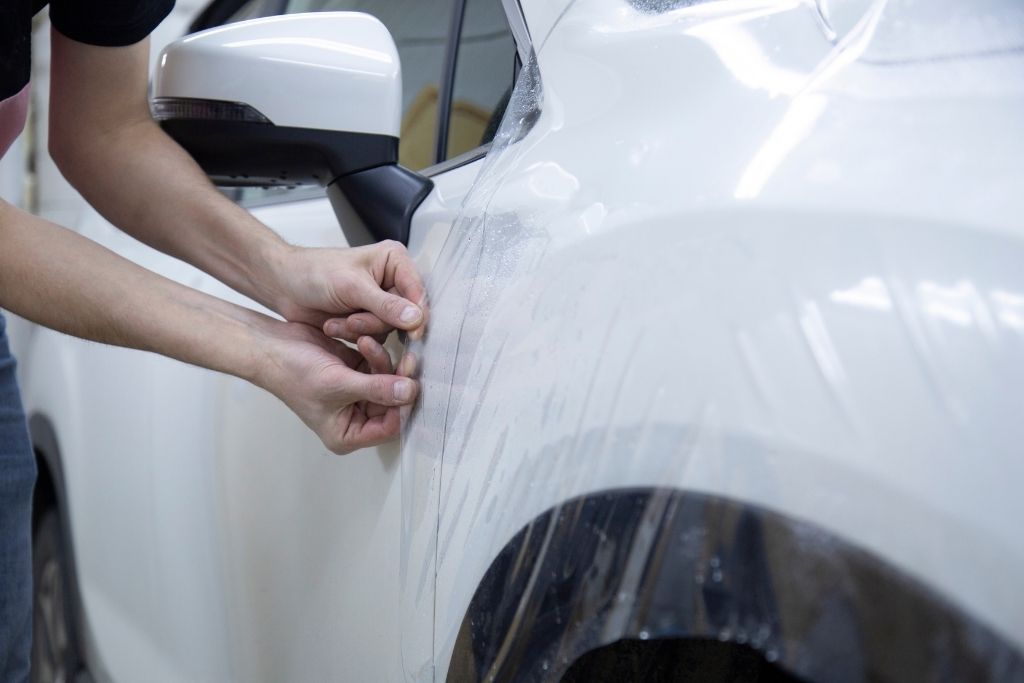
A professional PPF removal service offers more than convenience. It helps control the variables that can affect the paint.
The main benefits include:
- A paint and film assessment before removal
- Better control of heat, peeling tension, and working angle
- Safer handling of brittle film and complicated body lines
- Paint-compatible adhesive cleanup
- Preparation for replacement film, correction, or coating
- Clear expectations when a panel has been repaired or repainted
For customers planning new coverage, our Tacoma paint protection film service explains available protection areas and current package details.
When Is the Best Time to Remove Old PPF?
There is no single replacement date for every vehicle. Film durability depends on the product, installation quality, driving conditions, storage, washing habits, and environmental exposure.
We recommend having the film evaluated when you notice:
- Persistent discoloration that proper cleaning does not correct
- Widespread edge lifting
- Cracking or a dry, brittle texture
- Bubbling or separation within the film
- Deep scratches, tears, or heavy impact damage
- Adhesive collecting around exposed edges
- Film breaking into small pieces when lifted
Not every cloudy or yellow appearance means the film has failed. Surface contamination can sometimes affect clarity. Our guide to why PPF can yellow or look discolored explains what Tacoma drivers should look for.
Waiting too long after severe deterioration can make PPF removal more time-consuming because the material may fragment and leave more residue. An inspection can help determine whether cleaning, repair, partial replacement, or full removal makes the most sense.
How Does Maintenance Affect PPF Durability and Removal?
Routine care helps paint protection film stay clearer, more flexible, and easier to evaluate over time. Maintenance does not make film permanent, but it can reduce avoidable wear.
We recommend washing regularly with paint-safe products, removing bug residue and bird droppings promptly, and avoiding aggressive brushes or harsh chemicals. Pay attention to edges, but do not pick at them if they begin lifting.
Tacoma’s rain, road grit, pollen, and seasonal debris can leave buildup on the surface. Gentle maintenance helps prevent contamination from being mistaken for film failure.
For a complete overview of care, coverage, and lifespan, read our paint protection film guide for Tacoma drivers.
Can You Remove Paint Protection Film Yourself?
Some vehicle owners ask how to remove PPF at home. A recent film on stable factory paint may appear straightforward, especially on a small, accessible panel. The challenge is that paint history and adhesive condition are not always obvious until removal begins.
We recommend professional help when:
- The vehicle has unknown paint or repair history
- The panel was repainted
- The clear coat is peeling or oxidized
- The film is cracked, brittle, or heavily discolored
- Full-front or full-body coverage is involved
- The film wraps around complex edges or trim
- Large amounts of adhesive remain
- Paint appears to move with the film
Stop immediately if the panel becomes excessively hot, the film requires aggressive force, or paint begins lifting. Safe PPF removal is not about finishing at any cost.
What Affects Paint Protection Film Removal Cost?
Paint protection film removal cost depends on the amount of coverage and the condition of both the film and paint. A flexible partial-front installation will usually require a different level of work than brittle full-body film.
Key considerations include:
- Vehicle size and panel complexity
- Partial, full-front, or full-body coverage
- Film age and condition
- Whether the material releases in sheets or fragments
- Amount of adhesive residue
- Repainted or damaged panels
- Trim, badges, sensors, and tight edges
- Paint correction or replacement preparation
We prefer to inspect the vehicle before giving a firm recommendation. That allows us to explain the likely labor, potential paint concerns, and options after removal without relying on a one-size-fits-all estimate.
What Happens After Paint Protection Film Is Removed?
Once the film and adhesive are gone, the next step depends on your paint condition and protection goals.
Some owners choose paint protection film replacement on the same high-impact panels. Others expand from partial-front to full-front coverage or add ceramic coating for easier cleaning and improved gloss.
PPF and ceramic coating do different jobs. Film provides a physical barrier against rock chips, road debris, and light abrasion. Ceramic coating helps with surface slickness, gloss, and routine maintenance, but it does not replace the impact resistance of PPF.
You can review our ceramic coating options for Tacoma-area vehicles or view our automotive protection gallery to see examples of our work.
Why Does Local Experience Matter for Tacoma-Area Vehicles?
Drivers in Tacoma, Lakewood, Puyallup, Spanaway, and surrounding Pierce County communities deal with wet roads, highway debris, construction grit, pollen, and frequent changes in weather.
We have spent more than 15 years working with vehicle protection and appearance services. That experience has taught us that the right recommendation depends on how the vehicle is driven, where it is stored, the condition of its finish, and how long the owner plans to keep it.
We do not recommend replacement coverage simply because old film is being removed. We first look at the paint, listen to the customer’s priorities, and explain whether partial-front PPF, full-front protection, ceramic coating, or another option provides practical value.
Learn more about our Tacoma-area automotive protection team and the services we provide from our Lakewood shop.
Get Honest Guidance on PPF Removal in Tacoma
PPF removal can protect the next chapter of your vehicle’s finish when it is handled with patience, proper technique, and realistic expectations. At Advanced Window Tinting & PPF, we inspect the film and paint first, explain any concerns, and help you decide whether removal, correction, replacement film, or ceramic coating is the right next step.
For professional PPF removal guidance in Tacoma, Lakewood, Puyallup, Spanaway, or nearby Pierce County, contact our team or request a personalized PPF quote.