
The Risks of Poor PPF Installation: Common Problems and How to Avoid Them

Poor PPF installation showing wrinkled and bubbling paint protection film on a black car, highlighting common installation problems and prevention tips.

PAINT PROTECTION FILM GUIDE

Quick Answer: What Are the Risks of Poor PPF Installation?

Poor PPF installation can lead to bubbles, peeling edges, trapped dirt, and even paint damage. These issues often result from inadequate surface preparation or improper application techniques. Choosing experienced installers who follow proper procedures is essential to avoiding costly repairs and ensuring lasting protection.

At Advanced Window Tinting & PPF, we know how important it is for Tacoma drivers to protect their vehicles. That's why we believe quality installation matters just as much as the film itself.

But how can you tell if your PPF was installed correctly? Let's explore the warning signs, common mistakes, and ways to protect your investment.

Ready to protect your vehicle? Get a personalized PPF quote from our Tacoma team.

Why Does Poor PPF Installation Happen?

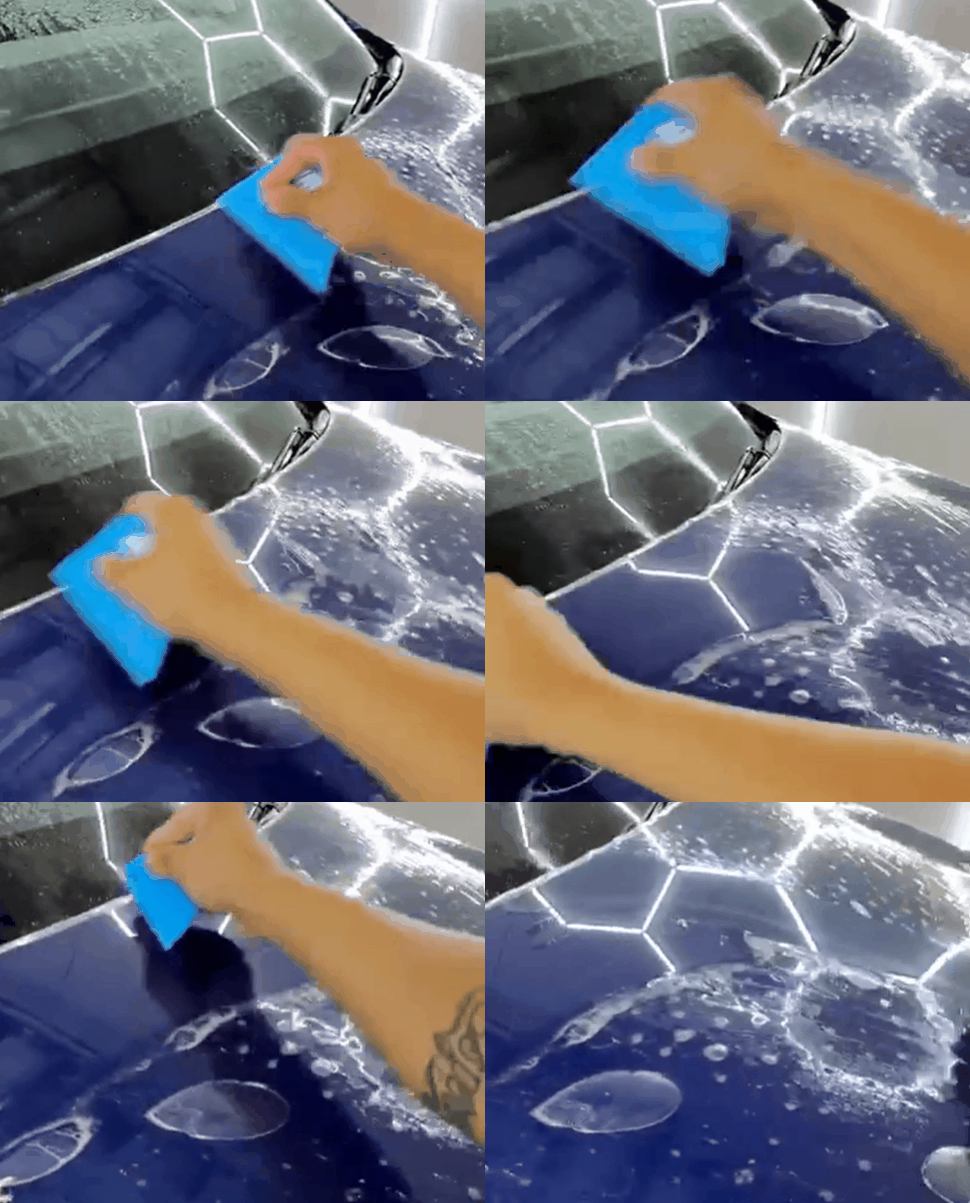
Installer uses a blue squeegee to apply paint protection film to the hood of a blue vehicle.
A technician smooths PPF onto a vehicle hood to remove installation solution and secure the film.

Poor PPF installation often results from improper preparation, incorrect application techniques, or rushed workmanship. Understanding these causes can help you avoid preventable problems and protect your investment.


Inadequate Vehicle Surface Preparation

Wax, grease, road tar, and other contaminants can prevent PPF from bonding properly, leading to bubbles and peeling. Thorough cleaning, decontamination, and paint inspection are essential before application.

Existing scratches may also remain visible beneath the film. While paint correction isn’t always necessary, assessing the surface beforehand is important. Learn more about whether paint correction is necessary before ceramic coating.


Incorrect Film Application Techniques

Excessive stretching, uneven squeegee pressure, and poor positioning can cause wrinkles, trapped moisture, and lifting edges. Curved areas like bumpers and mirrors require extra precision to achieve smooth, consistent coverage.


Poor Installation Conditions

Dusty workspaces, inadequate lighting, and unsuitable temperatures can affect PPF installation quality. A clean, controlled indoor environment helps minimize contamination and ensures accurate application, especially during Tacoma’s damp weather.


Rushed Workmanship and Incomplete Inspections

Even premium film can fail when installers skip preparation steps or overlook imperfections. At Advanced Window Tinting & PPF, we understand that careful preparation, precise application, and thorough inspections are essential to achieving quality results.

✦ PAINT PROTECTION FILM GUIDE

What Are the Most Common Signs of Poor PPF Installation?

Properly installed PPF should look smooth, fit neatly, and stay securely attached. However, poor PPF installation can cause visible defects immediately or over time. Here are five warning signs to watch for.
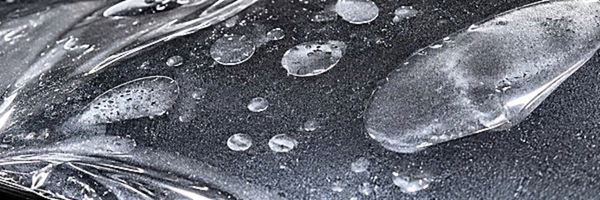
Bubbles and moisture pockets beneath paint protection film
SIGN 01

Persistent Bubbles and Cloudy Spots

Small moisture bubbles are normal during curing and may disappear within days or weeks. However, large, growing, or persistent bubbles can indicate trapped air, contamination, or poor adhesion. If they don't improve, we recommend having your installer inspect them.
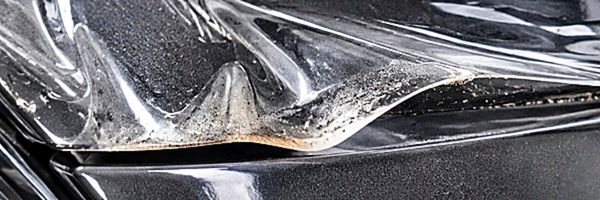
Clear PPF lifting around a vehicle body panel
SIGN 02

PPF Peeling and Lifting Edges

Film lifting around bumpers, hoods, or wheel arches often results from inadequate cleaning, excessive stretching, or improper edge finishing. As dirt collects beneath loose edges, adhesion can weaken further. Persistent peeling should be professionally inspected before it worsens.
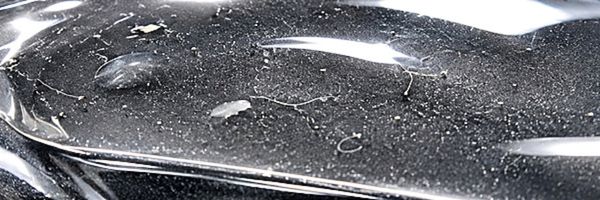
Dirt and dust trapped under protective car film
SIGN 03

Dirt and Debris Trapped Beneath the Film

Dust, lint, and other particles trapped during installation can leave noticeable bumps beneath the film. Unlike moisture bubbles, these imperfections won't disappear during curing. That's why thorough surface preparation and a clean workspace are essential.
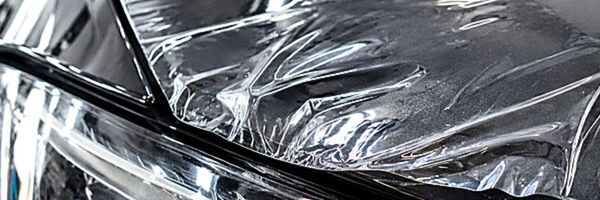
Wrinkles and stretched clear protective film on car
SIGN 04

Wrinkles, Stretch Marks, and Film Distortion

Excessive stretching or incorrect positioning can create wrinkles, visible marks, and uneven finishes. While some films can recover from light surface scratches, self-healing technology cannot correct installation defects. Learn more about how self-healing PPF works and what it can repair .
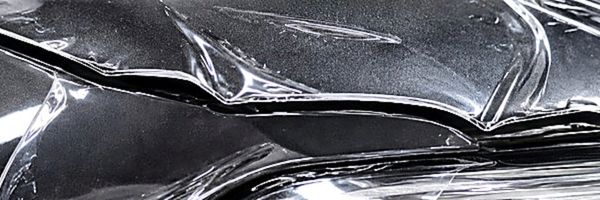
Uneven paint protection film edges on black car
SIGN 05

Uneven Edges and Misaligned Film

Crooked edges and poorly aligned patterns can affect your vehicle's appearance and leave unintended gaps exposed to road debris. However, some seams are normal depending on the coverage package. We recommend comparing the finished installation with the agreed coverage before identifying a defect.
✦ VEHICLE PROTECTION GUIDE

The Risks of Improper PPF Installation for Your Vehicle

Poor PPF installation can affect more than your vehicle's appearance. It may reduce paint protection, cause surface damage, and lead to unexpected repair costs.

Potential Clear Coat and Paint Damage

Careless trimming can scratch the clear coat or damage the paint , while improper film removal may harm previously repainted or weakened surfaces. That's why professional installation and removal techniques are essential.

Reduced Protection Against Everyday Road Hazards

Peeling edges, lifting film, and uneven coverage can expose paint to chips and scratches. For Tacoma drivers traveling along I-5 and SR 16, road debris makes proper PPF coverage especially important.

Shorter Film Life and Additional Expenses

Poor PPF installation can lead to premature peeling, repeated repairs, or film replacement. While minor defects may be fixable, severe damage often requires new material, making quality installation a better long-term investment .

✦ YOUR PRE-BOOKING CHECKLIST

How to Avoid PPF Installation Mistakes Before Booking

Avoiding poor PPF installation starts with choosing an experienced shop that prioritizes proper preparation, precise application, and quality materials.

YOUR INSTALLER CHECKLIST 0 of 4 checked

Proper cleaning, paint inspection, and contaminant removal are essential for strong adhesion. Ask how the installer handles existing paint defects, curved surfaces, and potential installation issues.

✦ Helpful question to ask
What cleaning and decontamination steps are included before applying the film?

Computer-cut patterns help achieve precise coverage while reducing the risk of cutting directly on painted surfaces. At Advanced Window Tinting & PPF, we use XPEL products and computer-cut technology for accurate film application.

✦ Helpful question to ask
Do you use computer-cut templates, and how are the edges finished?

Ask about manufacturer warranties, workmanship coverage, and curing instructions. Following recommended washing precautions and avoiding high-pressure water near film edges can help prevent premature lifting.

✦ Helpful question to ask
What's covered by the product warranty versus the installation warranty?

Four smart questions can make your next PPF appointment easier.

What Should You Do if You Notice a Bad PPF Installation?

If you notice signs of poor PPF installation, avoid removing or repairing the film yourself. Some defects resolve naturally, while others need professional attention.


Allow Time for Normal Curing

Small moisture bubbles may disappear as the film cures. However, growing bubbles, trapped debris, or persistent wrinkles should be inspected by your installer.


Document the Problem

Take clear photos of visible defects and note when they appeared. This helps your installer assess the issue and recommend the right solution.


Avoid DIY Repairs

Puncturing bubbles, pulling loose edges, or applying excessive heat can worsen the damage. We recommend professional inspection, as some defects can be corrected while others require film replacement.

Professional PPF Installation in Tacoma, WA: Why Workmanship Matters

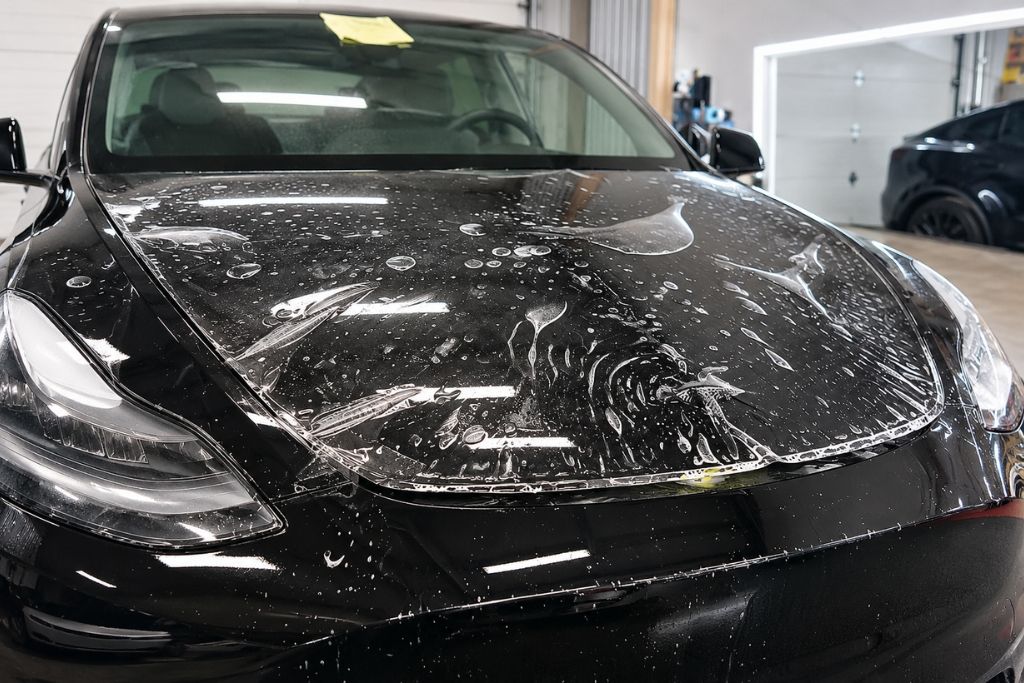
Black car undergoing paint protection film installation, showing visible moisture bubbles, wrinkles, and uneven film across the hood.
Visible bubbles and wrinkles during PPF application highlight the importance of proper installation techniques for a smooth, professional finish.

At Advanced Window Tinting & PPF, we bring over 15 years of experience helping Tacoma and Pierce County drivers protect their vehicles. We understand that lasting paint protection requires more than premium film, it takes proper preparation, precise application, and attention to detail.

Our team uses quality XPEL products and computer-cut technology to achieve accurate coverage while helping customers choose the right protection for their needs.

Explore our professional paint protection film installation in Tacoma or request a personalized PPF quote to keep your vehicle looking its best.

✦ PROTECT YOUR INVESTMENT

Conclusion: Avoid Poor PPF Installation and Protect Your Investment

Professional automotive paint protection service at Advanced Window Tinting and PPF in Tacoma

Your car deserves a flawless finish, not bubbles, peeling edges, or unexpected repairs! Avoiding poor PPF installation starts with proper preparation, skilled application, and the right aftercare to keep your vehicle looking its best.

At Advanced Window Tinting & PPF, we're here to help Tacoma drivers protect their rides with quality materials and expert craftsmanship.

Ready to give your car the protection it deserves? Explore our services or book your next appointment today!

Advanced Window Tinting & PPF

5.0
320 Google reviews
Window tinting service in Parkland, Washington
Latest Posts: