
Does Rain Affect Freshly Applied Ceramic Coating? Essential Aftercare Tips

Rainwater beading on a black ceramic-coated car, illustrating the effects of rain on freshly applied ceramic coating.

Ceramic Coating Guide

Quick Answer: Does Rain Affect Freshly Applied Ceramic Coating?

Does rain affect ceramic coating? Yes, rain can affect freshly applied ceramic coating by disrupting the curing process, causing water spots, and potentially reducing its protective performance. To minimize these risks, we recommend keeping your vehicle dry for at least 24 hours or longer, depending on the coating's specific curing requirements.

However, unexpected rainfall doesn't necessarily mean your coating is ruined. The timing of moisture exposure and how you care for your vehicle afterward can make a significant difference.

At Advanced Window Tinting & PPF, we understand how Tacoma's unpredictable weather can make ceramic coating aftercare challenging. That's why we're sharing essential tips to help you prevent moisture-related damage, protect your investment, and maintain your vehicle's glossy finish.

Ready to protect your vehicle, rain or shine? Get a personalized ceramic coating quote from our Tacoma team.

Does Rain Affect Ceramic Coating After Application?

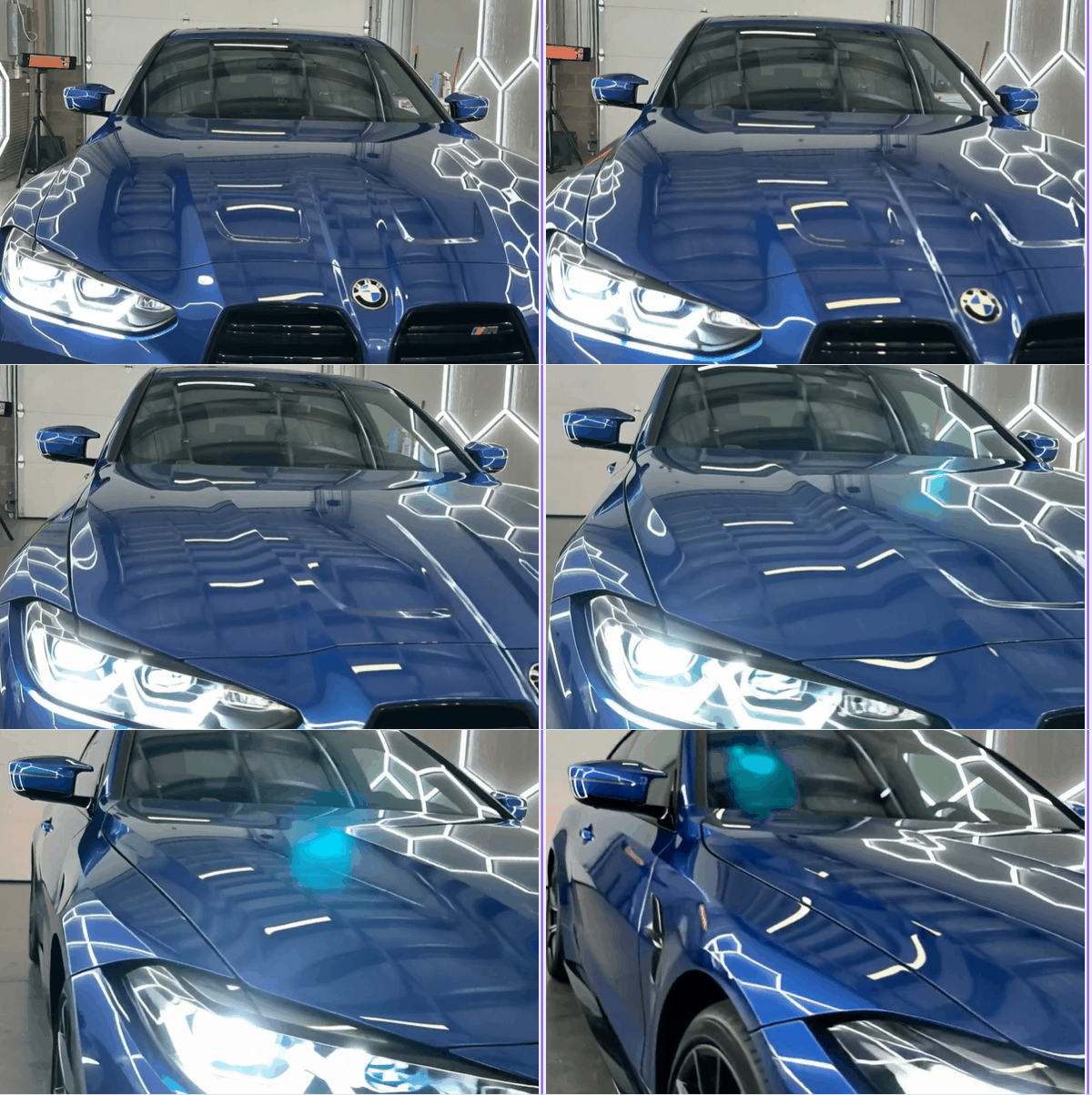
Blue BMW with a glossy, reflective paint finish inside the Advanced Window Tinting & PPF shop.
A clean, refined paint surface helps create a better-looking result before ceramic coating is applied.

Rain can affect freshly applied ceramic coating, particularly during the initial curing period. Although ceramic coatings are designed to repel water and protect automotive paintwork, premature moisture exposure can interfere with curing, cause water spots, and reduce protective performance.

Why Freshly Applied Ceramic Coating Is Vulnerable to Rain

Many nano ceramic coating formulations contain silicon-based compounds associated with silicon dioxide (SiO2) that undergo chemical bonding to form a protective layer over your vehicle’s paint. However, even when the surface appears dry, the coating may still be developing its hardness and chemical resistance.

Rain exposure during this stage may lead to:

  • Uneven water repellency.
  • Mineral deposits and visible water spots.
  • Surface contamination.
  • Reduced coating durability.

To minimize these risks, we recommend keeping your vehicle dry for the recommended initial curing period.

Does Rain Affect Ceramic Coating Once It Has Fully Cured?

Once fully cured, ceramic coating can withstand everyday rainfall. Its hydrophobic properties promote water beading, making your vehicle easier to clean and maintain.

However, water repellency doesn’t guarantee complete protection against water spots. Contaminated water can still leave deposits as it evaporates, which is why regular maintenance remains essential for long-term paint protection.

Ceramic Coating Science & Aftercare

Understanding Ceramic Coating Curing Time Before Rain Exposure

Understanding ceramic coating curing time helps you avoid premature moisture exposure and allows the coating to develop its full protective properties.

Ceramic Coating Drying Time vs. Full Curing Time

Drying occurs when the coating initially sets, while curing is the chemical process that develops its hardness, durability, and chemical resistance. Although your vehicle may appear glossy and demonstrate water beading shortly after application, this doesn't mean the coating has fully cured.

How Long Before Ceramic Coating Can Get Wet?

Many conventional ceramic coatings require 24-48 hours of protection from moisture, while washing should generally be avoided for 4-14 days. Full curing may take two to three weeks, depending on the coating formulation and environmental conditions. We recommend following your specific coating's aftercare instructions, as curing requirements vary between products.

Your Ceramic Coating Curing Journey

24–48 Hours Protect from premature moisture exposure.
4–14 Days Avoid washing until approved for your coating.
2–3 Weeks Many conventional coatings approach full cure.

General curing guide only. Actual timelines vary by coating formulation and environmental conditions.

How Does Humidity Affect the Ceramic Coating Curing Process?

Temperature and humidity can influence how ceramic coatings dry, bond, and cure. In Tacoma's damp climate, morning dew and overnight condensation also increase the risk of premature moisture exposure. This makes a controlled installation environment particularly important, which is why we encourage vehicle owners to understand what to look for when choosing a professional ceramic coating installer in Tacoma.

Our Professional Tip: A glossy finish and impressive water beading don't necessarily mean your ceramic coating has fully cured. Always follow your installer's recommended aftercare instructions before exposing your vehicle to rain or washing.
Did You Know?

Even if your freshly applied ceramic coating already repels water, it doesn't mean it has fully cured! Premature rain exposure can still cause water spots and interfere with the development of its protective properties.

Great ceramic coating protection starts with proper curing and aftercare!

Ceramic Coating Moisture Guide

What Happens If Ceramic Coating Gets Wet Before It Fully Cures?

Premature moisture exposure can affect a ceramic coating's appearance and performance. However, not every mark caused by rainfall indicates permanent ceramic coating water damage.
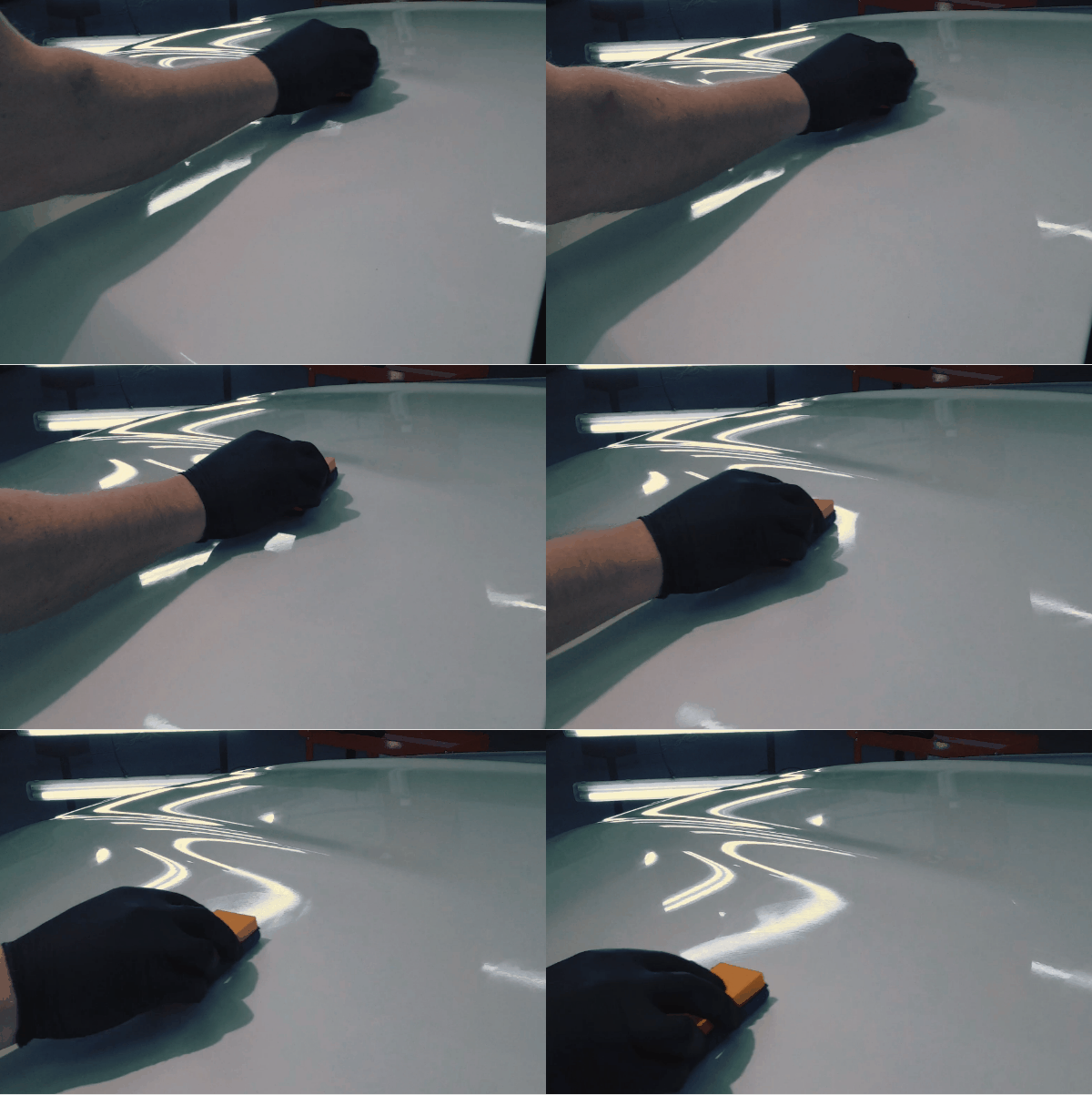
Automotive paint protection demonstration from Advanced Window Tinting and PPF
Protect Your Vehicle: Proper ceramic coating curing and aftercare help maintain your vehicle's finish.

Select a topic below to learn more

Ceramic Coating Water Spots and Mineral Deposits

Rainwater, road spray, and building runoff can carry minerals and environmental contaminants that leave visible deposits as water evaporates. Despite the coating's hydrophobic properties, droplets may remain on the hood, roof, and trunk, potentially causing water spots or surface etching if left untreated.

Potential Changes in Coating Performance

Early moisture exposure may interfere with curing, resulting in streaks, uneven gloss, or reduced water repellency. However, inconsistent water beading may also result from temporary surface contamination rather than coating failure. We recommend having unusual marks professionally assessed before using aggressive cleaning products.

Are All Water Spots Caused by Recent Rain?

Not all visible marks result from recent rainfall. Existing water spot etching, scratches, and other paint imperfections may remain visible beneath the coating. This is why we recommend paint correction before ceramic coating application when necessary to achieve a smooth, consistent finish.

What's Happening to Your Coating?

Noticed something unusual after rainfall? Select the symptom that best matches what you're seeing.

I'm seeing white spots or circular marks
Possible cause: Mineral deposits or environmental contaminants left behind after water evaporates. Avoid aggressive water spot removers while the coating is curing.
Water isn't beading evenly
Possible cause: Temporary surface contamination or changes in early coating performance. Uneven water beading alone does not confirm coating failure.
My paint has streaks or uneven gloss
Possible cause: Moisture exposure during curing or another surface-related issue. Have your coating professionally assessed before attempting corrective treatments.
I can still see scratches or older water spots
Possible cause: Existing paint imperfections beneath the ceramic coating. These marks may not be related to recent rain exposure.

This interactive guide provides general information, not a definitive diagnosis of coating damage.

Our Professional Tip: Don't rush to remove water spots from a freshly coated vehicle. At Advanced Window Tinting & PPF, we recommend professional assessment before applying chemicals or abrasive products that could compromise the curing coating.

☔ 24-Hour Rain Response Guide

What to Do If It Rains Within the First 24 Hours After Ceramic Coating

Unexpected rain after ceramic coating doesn't necessarily mean your investment is ruined. If your freshly coated vehicle gets wet, we recommend taking these precautions to minimize potential damage.
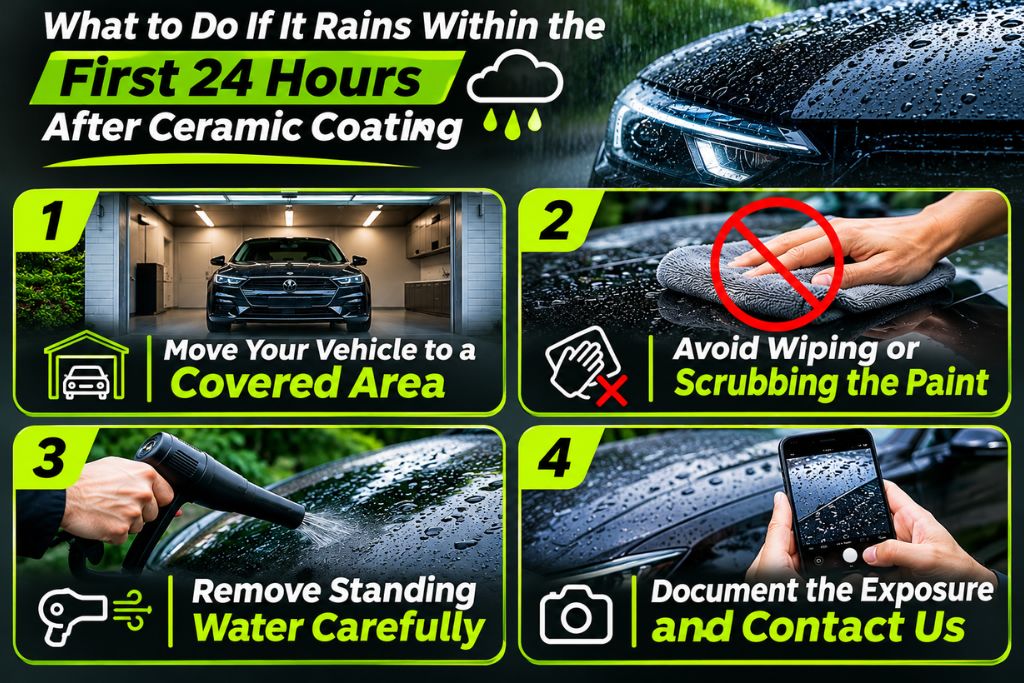
Four essential steps to protect freshly applied ceramic coating from rain exposure within the first 24 hours.
Rain After Ceramic Coating? Follow these four essential aftercare steps.
Your Rain Response Checklist 0 of 4 completed

Work through the steps below and mark each precaution as completed.

0% Complete
1

Move Your Vehicle to a Covered Area

Park in a garage or sheltered area to prevent further moisture exposure. Avoid placing a car cover directly over freshly coated paint unless approved by your installer.

2

Avoid Wiping or Scrubbing the Paint

Resist the urge to wipe away rainwater, as friction may disturb the partially cured coating or drag contaminants across the paint. Avoid scrubbing or washing your vehicle prematurely.

3

Remove Standing Water Carefully

If permitted by your coating's aftercare instructions, use a clean automotive blower or gently blot standing water with a soft microfiber towel. Contact your installer first if you're unsure.

4

Document the Exposure and Contact Us

Note when the rain exposure occurred and photograph any visible marks. At Advanced Window Tinting & PPF, we recommend contacting our team for professional guidance before using water spot removers, polishing compounds, or other cleaning products.

✓ Rain Response Checklist Complete!

You've completed the recommended precautionary steps. Continue following your coating's specific curing instructions and seek professional advice if unusual marks or performance issues persist.

Rain Happens. We're Here to Help!

Concerned about protecting your freshly coated vehicle in Tacoma's rainy weather? Our team at Advanced Window Tinting & PPF can help you understand the appropriate aftercare requirements for your vehicle.

Get a Personalized Ceramic Coating Quote →

How to Protect Ceramic Coating After Application in Tacoma's Rainy Weather

Tacoma’s unpredictable weather can make ceramic coating aftercare challenging, but a little preparation can help protect your vehicle during curing.


Plan Ahead for Your Installation

Check the weather forecast and arrange covered parking before your appointment. Professional ceramic coating installation is possible during the rainy season when proper curing conditions and aftercare precautions are maintained.


Watch Out for Other Sources of Moisture

Beyond rainfall, protect your vehicle from overnight dew, condensation, sprinklers, road spray, and building runoff. We also recommend avoiding contaminants like tree sap and bird droppings during the initial curing period.


Choose Ceramic Coating That Suits Your Vehicle and Lifestyle

Your driving habits and parking arrangements influence your vehicle’s protection and maintenance needs. Through our professional ceramic coating services in Tacoma, WA, we help you choose a suitable paint protection solution and understand its aftercare requirements to maintain lasting results.

Ceramic Coating Moisture Guide

What Happens If Ceramic Coating Gets Wet Before It Fully Cures?

Premature moisture exposure can affect a ceramic coating's appearance and performance. However, not every mark caused by rainfall indicates permanent ceramic coating water damage.

Automotive paint protection demonstration from Advanced Window Tinting and PPF
Protect Your Vehicle: Proper ceramic coating curing and aftercare help maintain your vehicle's finish.

Select a topic below to learn more

Ceramic Coating Water Spots and Mineral Deposits

Rainwater, road spray, and building runoff can carry minerals and environmental contaminants that leave visible deposits as water evaporates. Despite the coating's hydrophobic properties, droplets may remain on the hood, roof, and trunk, potentially causing water spots or surface etching if left untreated.

Potential Changes in Coating Performance

Early moisture exposure may interfere with curing, resulting in streaks, uneven gloss, or reduced water repellency. However, inconsistent water beading may also result from temporary surface contamination rather than coating failure. We recommend having unusual marks professionally assessed before using aggressive cleaning products.

Are All Water Spots Caused by Recent Rain?

Not all visible marks result from recent rainfall. Existing water spot etching, scratches, and other paint imperfections may remain visible beneath the coating. This is why we recommend paint correction before ceramic coating application when necessary to achieve a smooth, consistent finish.

Our Professional Tip: Don't rush to remove water spots from a freshly coated vehicle. At Advanced Window Tinting & PPF, we recommend professional assessment before applying chemicals or abrasive products that could compromise the curing coating.

✦ Protect Your Investment

Rain or Shine, Keep Your Ceramic Coating Looking Fine!
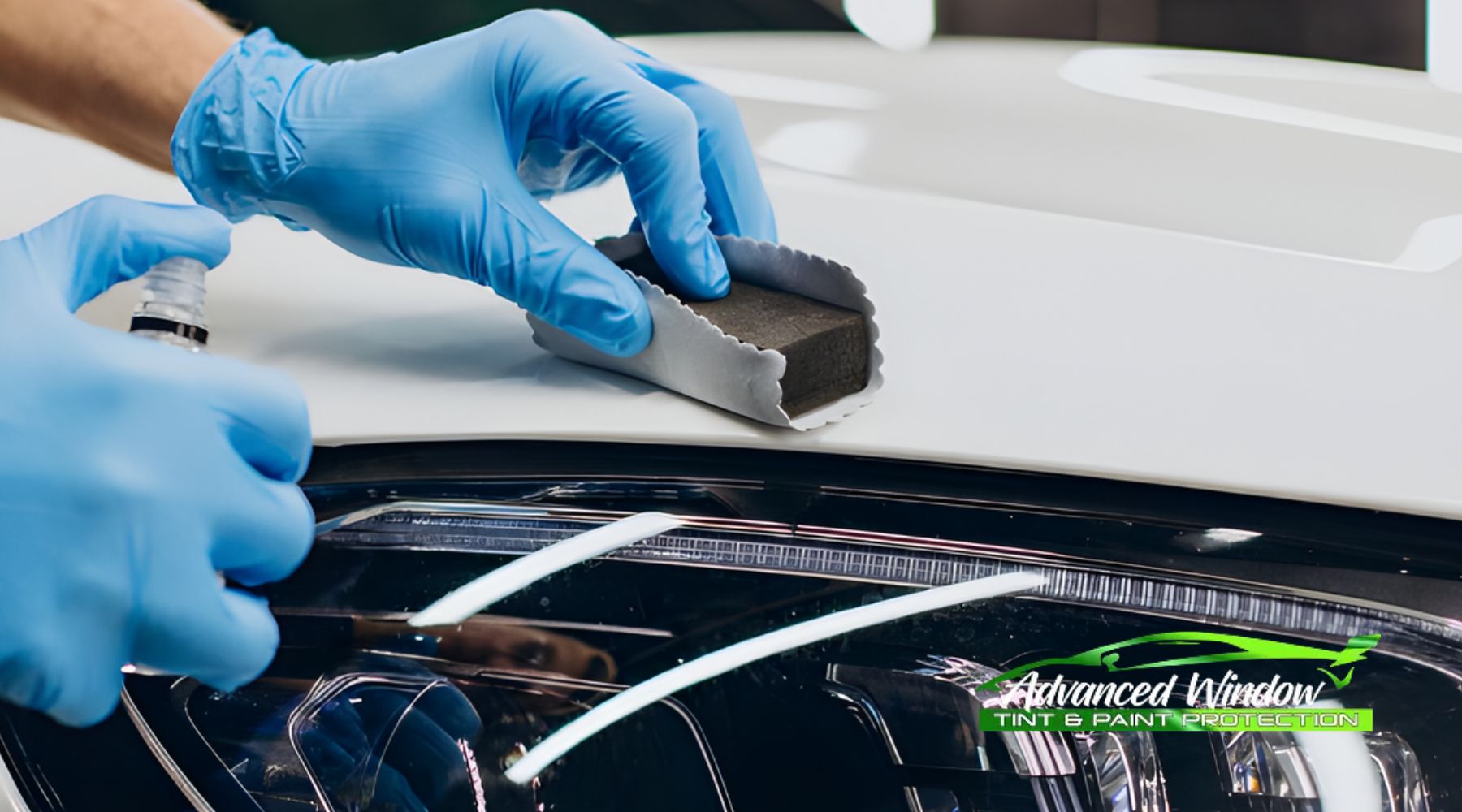
Professional automotive paint protection installation by Advanced Window Tinting and PPF

So, does rain affect ceramic coating? It can during the initial curing period, but unexpected rainfall doesn't have to ruin your investment. Following proper ceramic coating aftercare, avoiding premature washing, and minimizing moisture exposure can help maintain your vehicle's glossy finish and lasting protection.

At Advanced Window Tinting & PPF, we're committed to helping car owners throughout Tacoma and Pierce County enjoy superior paint protection and easier vehicle maintenance, no matter the weather.

Ready to give your vehicle the protection it deserves?

Let's keep your car looking its best, rain or shine!

Advanced Window Tinting & PPF

5.0
320 Google reviews
Window tinting service in Parkland, Washington
Latest Posts: