
To choose a PPF installer in Tacoma, WA, look for verifiable training, a clean installation bay, careful paint preparation, computer-cut patterns, clear warranty terms, detailed workmanship photos, and straightforward communication. A qualified installer should also explain the exact film, coverage area, installation process, and realistic results before any work begins.
Those details matter because the quality of paint protection film depends on much more than the product itself. At Advanced Window Tinting & PPF, we have spent more than 15 years helping drivers protect and improve their vehicles, and we have seen how proper preparation and skilled installation can shape the final result.
In our experience, the difference between an average installation and a high-quality one often comes down to installer judgment, careful finishing, clean edge work, and dependable support after the vehicle leaves the shop. Even a premium film can fall short if those steps are rushed or overlooked.
When installed correctly, paint protection film can help guard against rock chips, road debris, bug splatter, light scratches, and everyday wear. However, the film can only perform as intended when the surface is properly prepared and the installation is completed with precision.
With that in mind, here is what we recommend checking before choosing a PPF installer in Tacoma, WA.
How Do You Choose a PPF Installer in Tacoma, WA?
Start by evaluating the installer, not simply the film brand.
A reputable PPF installer should be able to show you:
- Relevant training and product knowledge
- Experience installing PPF on vehicles like yours
- A clean, controlled installation area
- A thorough paint preparation process
- Professional cutting and fitting methods
- Close-up examples of finished edges and corners
- Written warranty information
- Clearly defined packages and pricing
- PPF-specific customer feedback
- A process for addressing concerns after installation
Do not make your decision based on one certification badge, one photograph, or one low price. Look at the entire service experience.
You can review our current paint protection film installation options in Tacoma to see how different levels of coverage are structured.
Why Does PPF Installer Experience Matter?
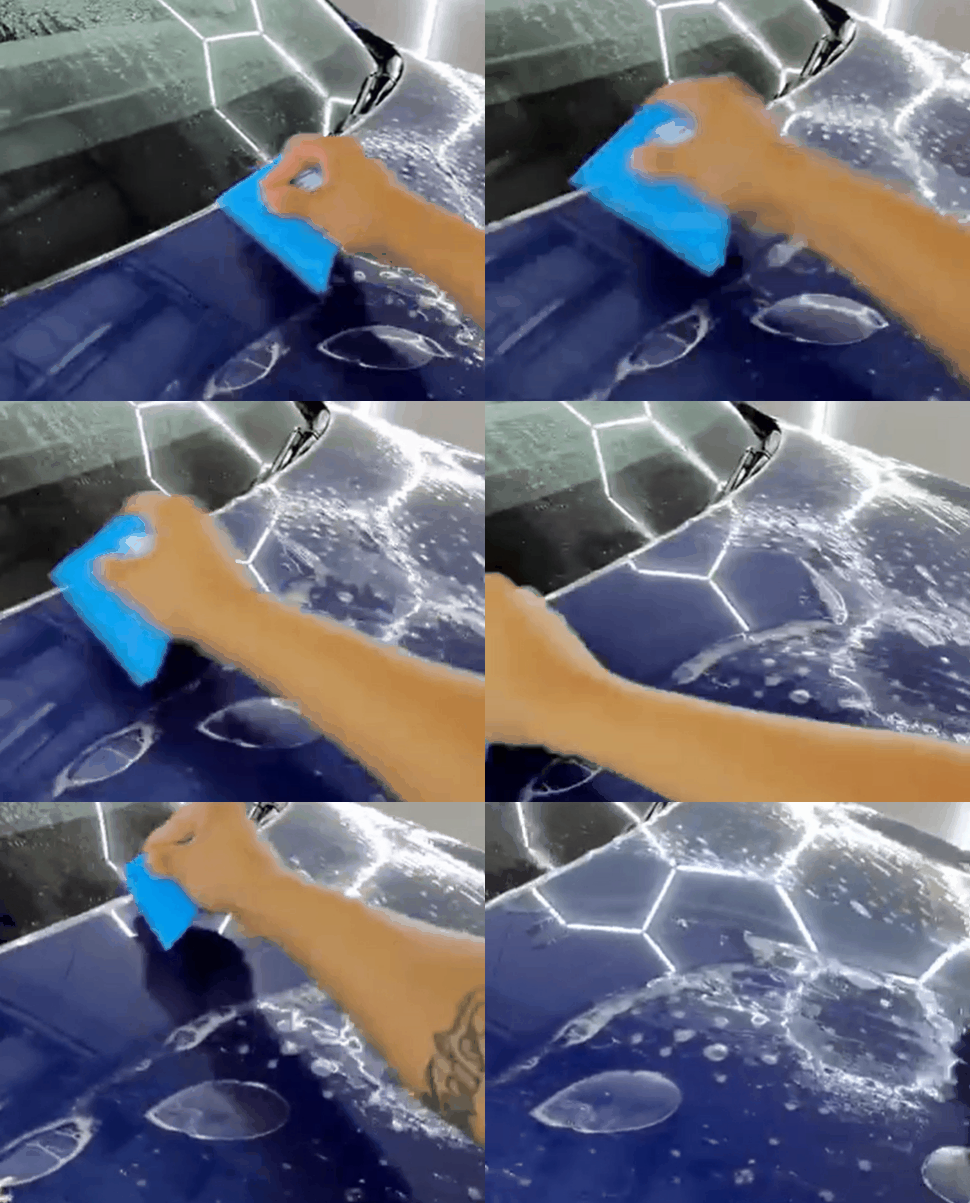
Experience matters because paint protection film is not simply placed over the vehicle like a sticker.
The installer must inspect and prepare the paint, position the film accurately, control how it stretches, work around curves and body lines, manage moisture, finish corners, and determine where seams or relief points are necessary.
A premium film can still produce a poor result when those steps are rushed.
Experience Helps With Complex Vehicle Panels
Some panels are relatively straightforward. Others require considerably more planning.
Front bumpers may include:
- Parking sensors
- Air intakes
- Sharp corners
- Deep recesses
- Grilles
- Trim pieces
- Headlight washers
- Complex body lines
Mirror caps, rocker panels, fenders, and rear impact areas also present different installation challenges.
We work with cars, trucks, SUVs, performance vehicles, and EVs throughout Tacoma and Pierce County. One lesson we have learned is that every vehicle requires its own installation plan.
A Toyota Tacoma used on gravel roads does not have the same protection needs as a Tesla commuting on I-5. A weekend sports car may need different coverage than a family SUV driven daily between Tacoma, Lakewood, Puyallup, and Spanaway.
Ask to See Similar Work
Ask whether the installer has completed PPF installation on your make or model.
Then request close-up photographs of:
- Bumper corners
- Hood edges
- Fender edges
- Mirrors
- Sensors
- Headlights
- Emblems
- Recessed areas
- Seams and relief cuts
Wide photos show the overall appearance. Close-ups show the workmanship.
You can view examples of our automotive work in the Advanced Window Tinting & PPF project gallery.
Should a PPF Installer Be Manufacturer-Trained?
Manufacturer training is an important trust signal because different paint protection films have specific installation characteristics.
A trained installer should understand the film’s adhesive, topcoat, stretch limitations, pattern system, finishing methods, and recommended maintenance.
Training alone does not guarantee perfect work, but it gives you a credential that can be discussed and verified.
Ask the installer:
- Which paint protection film do you use?
- What training have your technicians completed?
- How often does your team install PPF?
- Who will work on my vehicle?
- Does the installation include warranty coverage?
- How is the warranty documented?
- Who handles a warranty concern?
At Advanced Window Tinting & PPF, we install XPEL paint protection film using computer-cut technology. We also explain the product, coverage, preparation, and expected finish before the installation begins.
Our goal is to help customers make an informed decision, not to overwhelm them with product terminology.
Why Is Paint Preparation So Important?
Paint surface preparation is one of the most important parts of professional PPF installation.
Paint can look clean while still holding road film, tar, iron particles, wax, sealant, bug residue, or bonded contamination. If those materials remain on the surface, they may affect adhesion or become visible beneath the clear film.
Depending on the vehicle, preparation may include:
- A thorough wash
- Chemical decontamination
- Removal of tar and bug residue
- Clay treatment when appropriate
- Cleaning around panel edges and trim
- Removal of waxes or sealants
- Paint inspection
- Light correction when needed
- A final surface cleaning before installation
Will PPF Hide Existing Paint Damage?
No. Paint protection film is transparent, so scratches, chips, oxidation, poor touch-up work, and paint defects may remain visible underneath it.
This is why we inspect the vehicle before recommending coverage.
A new vehicle may need minimal correction but still require thorough decontamination. An older vehicle may need additional preparation before film can be installed cleanly.
We do not automatically recommend extensive paint correction for every vehicle. We look at the condition of the paint, the customer’s expectations, the coverage area, and whether correction will meaningfully improve the result.
Drivers protecting a used or previously repaired vehicle can read our guide on whether PPF is worth installing on an older car.
Why Does the Installation Environment Matter?
PPF should be installed in a clean, controlled indoor environment.
Because the film is transparent, dust, fibers, hair, dried solution, and other contamination may be visible if they become trapped underneath it. Lighting, temperature, airflow, and general shop cleanliness can all affect how consistently the installer can work.
When comparing a paint protection film shop in Tacoma, look for:
- Indoor installation space
- Clean floors and work surfaces
- Bright inspection lighting
- Organized tools and materials
- Controlled airflow
- Separation from dusty work
- Adequate room around the vehicle
A shop does not have to resemble a laboratory. It should, however, reflect the precision required for a clean installation.
From our team’s perspective, a controlled workspace is not an optional extra. It is part of professional PPF installation.
What Does High-Quality PPF Workmanship Look Like?
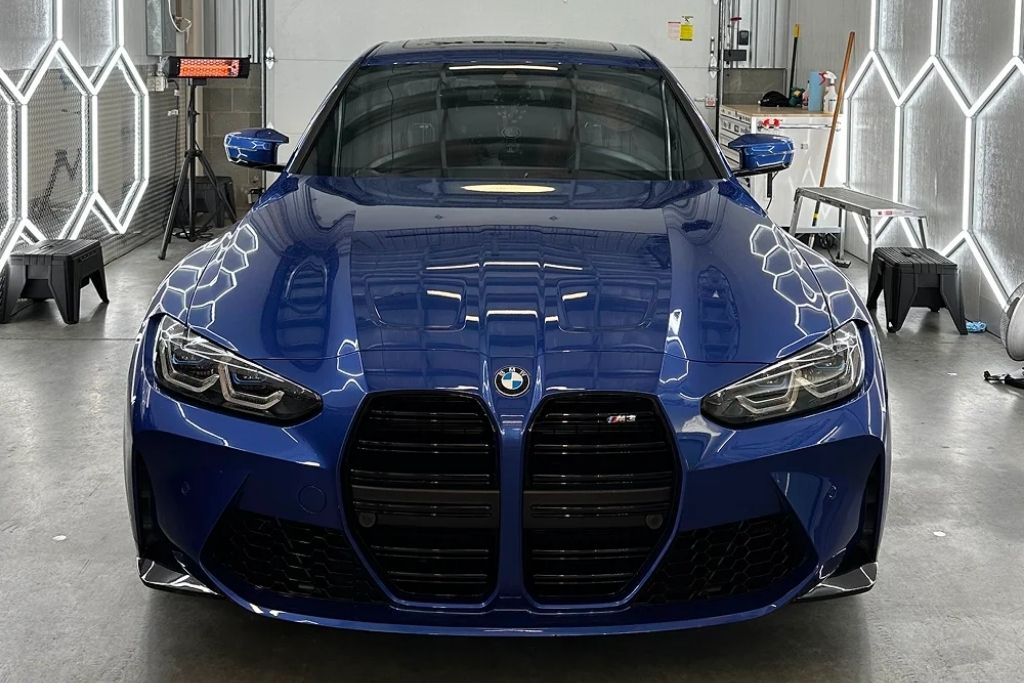
The quality of a PPF installation is often easiest to judge around edges, corners, sensors, and complex curves.
Look for:
- Consistent panel coverage
- Secure corners
- Clean, deliberate seams
- Smooth film alignment
- Wrapped edges where appropriate
- Even margins where wrapping is not practical
- Minimal visible contamination
- No jagged cuts
- No unexplained lifting
- Accurate fitting around sensors and trim
- Good film clarity across large panels
Should Every PPF Edge Be Wrapped?
No. Wrapping an edge can create a cleaner appearance, but it is not practical or advisable on every panel.
Panel construction, trim placement, available clearance, adhesive tension, and the shape of the vehicle all affect whether an edge can be wrapped securely.
We would rather explain why an edge remains visible than force the film into a position where it may lift later.
Be cautious when an installer promises that every seam and edge will be completely invisible. Paint protection film is designed to be discreet, but realistic expectations are part of a trustworthy consultation.
What Warranty Questions Should You Ask?
Ask for the warranty details in writing before installation.
It is helpful to separate two types of coverage:
Manufacturer Warranty
A manufacturer warranty generally addresses qualifying defects in the film itself according to the product’s written terms.
Workmanship Warranty
A workmanship warranty addresses installation-related concerns according to the installer’s policy.
Ask:
- What does each warranty cover?
- How long does the coverage last?
- Are labor and replacement material included?
- What maintenance is required?
- What conditions are excluded?
- Who registers the warranty?
- Who should I contact if an issue appears?
We believe customers should know who stands behind the product and who stands behind the installation.
How Do You Maintain PPF After Installation?
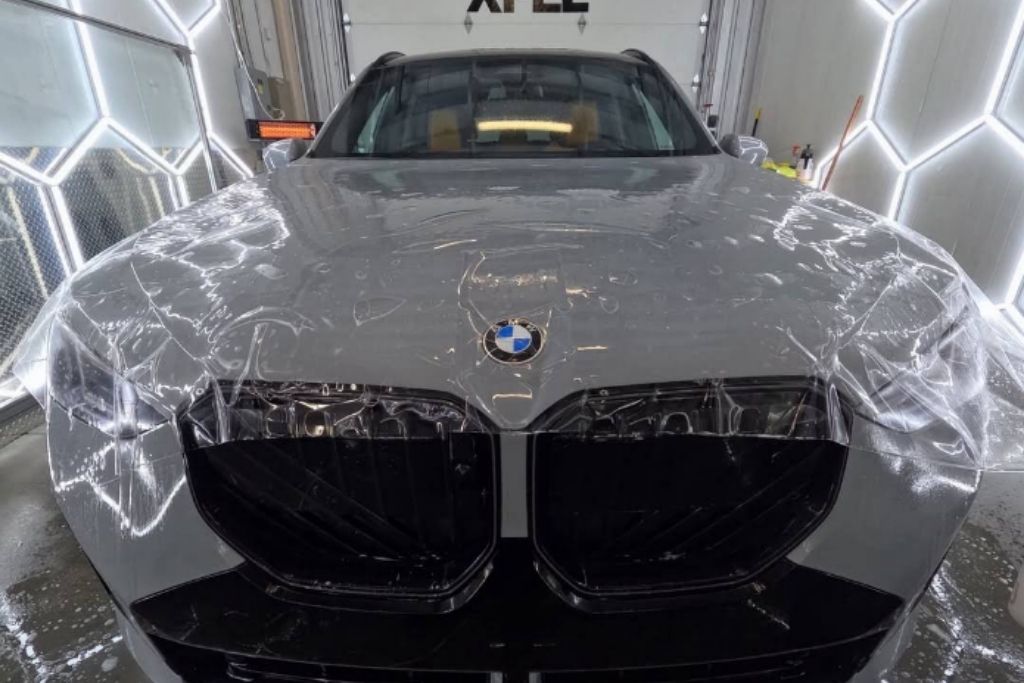
Paint protection film is relatively easy to maintain, but proper care helps preserve its appearance and edges.
We generally recommend:
- Following the installer’s initial curing instructions
- Waiting the recommended period before washing
- Washing by hand when practical
- Using a pH-balanced automotive soap
- Drying with clean microfiber towels
- Removing bird droppings and bugs promptly
- Avoiding harsh chemicals and abrasive products
- Keeping pressure-washer nozzles away from film edges
- Reporting lifting edges before dirt collects beneath them
PPF reduces the risk of paint damage, but it does not eliminate the need to wash and care for the vehicle.
For a broader explanation of film benefits, coverage, maintenance, and common applications, read our complete paint protection film guide for Tacoma drivers.
What Questions Should You Ask a PPF Installer?
Bring this checklist to your consultation:
- What exact film will be installed?
- What training does your team have?
- What preparation is included?
- Do you inspect previous paintwork?
- Do you use computer-cut patterns?
- Will any trimming occur on the vehicle?
- Which edges can be wrapped?
- What do the warranties cover?
- Is a follow-up inspection available?
- Who handles concerns after pickup?
- What could change the quoted price?
Pay attention to how the installer answers. Clear, direct responses usually indicate an established process.
Choose a PPF Installer in Tacoma, WA Who Explains the Details
Choosing a PPF installer in Tacoma, WA should not come down to the lowest quote or the most familiar product name.
Evaluate the installer’s experience, preparation process, workspace, cutting methods, portfolio, warranty, maintenance guidance, and willingness to answer questions honestly.
At Advanced Window Tinting & PPF, we help drivers throughout Tacoma, Lakewood, Puyallup, Spanaway, and the surrounding Pierce County area choose protection based on how they actually use their vehicles.
Our shop is located at 11105 Steele Street South, Suite 118, in Lakewood. You can learn more about our Tacoma-area automotive protection team, review our recent vehicle projects, or request a personalized PPF quote.